

Researcher Keith Hamilton suggests Abu Rawash may not be a pyramid at all. The trench measures 10 cubits wide versus the standard 2 cubits for pyramid passages, and no internal chambers exist beneath. Unusual boundary walls, poor workmanship compared to Giza, and an atypical temple layout lead Hamilton to propose the site was likely a processional walkway, open-air temple, or solar observatory complex rather than a traditional pyramid structure.
Evidence questions pyramid theory; site may be solar temple complex
 EgyptTheory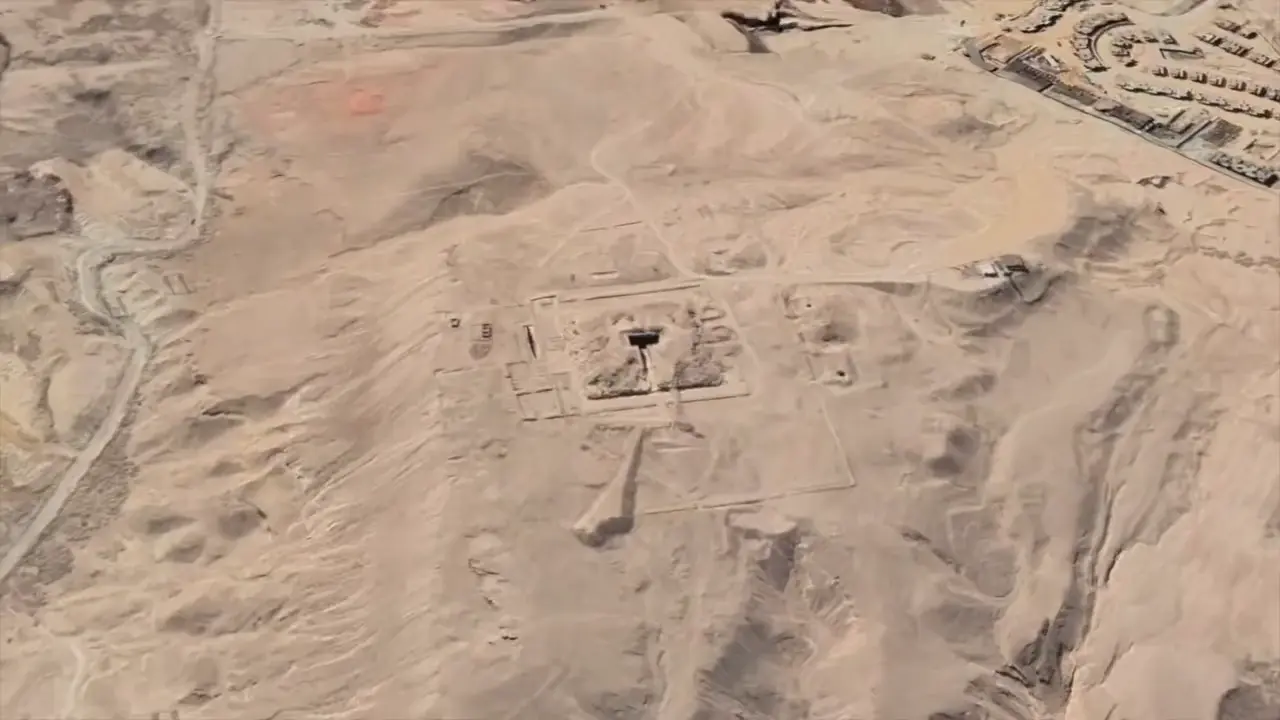
Site mentioned
Key facts
- The trench is 10 cubits wide versus the standard 2 cubits for pyramid passages, requiring 2.1m of added masonry
- No evidence exists of internal chambers built into the pits, contradicting claims of pyramid design
- Both Abu Rawash and Zawyet el Aryan have boundary walls, unusual for pyramid construction
- Researcher Keith Hamilton proposes the trench was likely a processional walkway with steps rather than a pyramid passage
- The associated temple layout is described as unusual for a 4th dynasty pyramid project
- Hamilton suggests both sites may have been open-air temples or observatories, possibly solar temple complexes
- The quality of workmanship at the site is noted as poor compared to Giza-class construction
Sources
independent.academia.edu
Linked in video description
Was this story useful?
Keep exploring
Every site on this page sits on the globe, and the people who research them are on the Discord.
3D Globe · Sites by country · Story Archive · Research Library · Weekly Journal · Search
AI-generated text · images from the original sources · always verify with the sources.