

Archaeological evidence connects Abu Rawash to King Djedefre, Khufu's successor in the 4th dynasty. The site features what remains of Djedefre's pyramid—Egypt's northernmost—which was largely destroyed in antiquity for its stone. Various artifacts have been found at the site, though specific excavation details and artifact locations vary across sources. The pyramid is associated with Djedefre through historical and archaeological documentation.
Abu Rawash linked to Djedefre through cartouche and inscriptions
 EgyptExcavation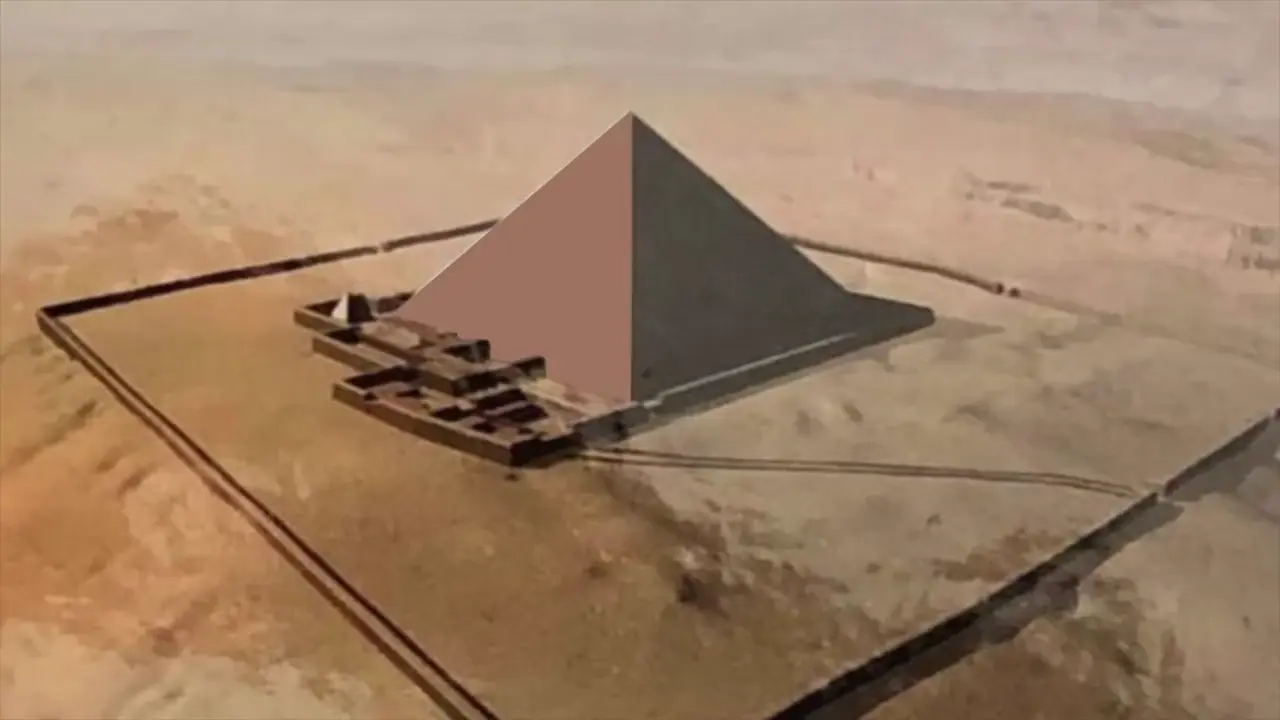
Site mentioned
Key facts
- The site is linked to King Djedefre, Khufu's 4th dynasty successor
- Emil Chazane excavated the site at end of 1900s and discovered Djedefre's cartouche on a sandstone fragment
- A life-sized head of Djedefre was found in the boat pit along with another statue containing the king's name
- Five limestone pedestals with statues of five of the king's children were found in a temple room
- Archaeologist Veosia investigated the site between 1995-2007 and found a block with Djedefre's name confirming his involvement
- The pyramid was known as the 'firmament of Jade' according to Bologosia, or 'Jude is a shining star' according to Aidan Dodson
Sources
independent.academia.edu
Linked in video description
Was this story useful?
Keep exploring
Every site on this page sits on the globe, and the people who research them are on the Discord.
3D Globe · Sites by country · Story Archive · Research Library · Weekly Journal · Search
AI-generated text · images from the original sources · always verify with the sources.