

A 1938 book mapped elongated skull distribution worldwide, but comparison with a 2019 peer-reviewed paper reveals significant knowledge loss over 81 years — entire regions like the US eastern seaboard, Pacific Islands, and chunks of Asia vanished from records. The practice was worldwide and universal, yet NAGPRA and selection bias now limit specimen access. Our understanding of the past keeps shrinking. 📈🔭🦂
Global map shows 81-year knowledge loss of elongated skull distribution records
Key facts
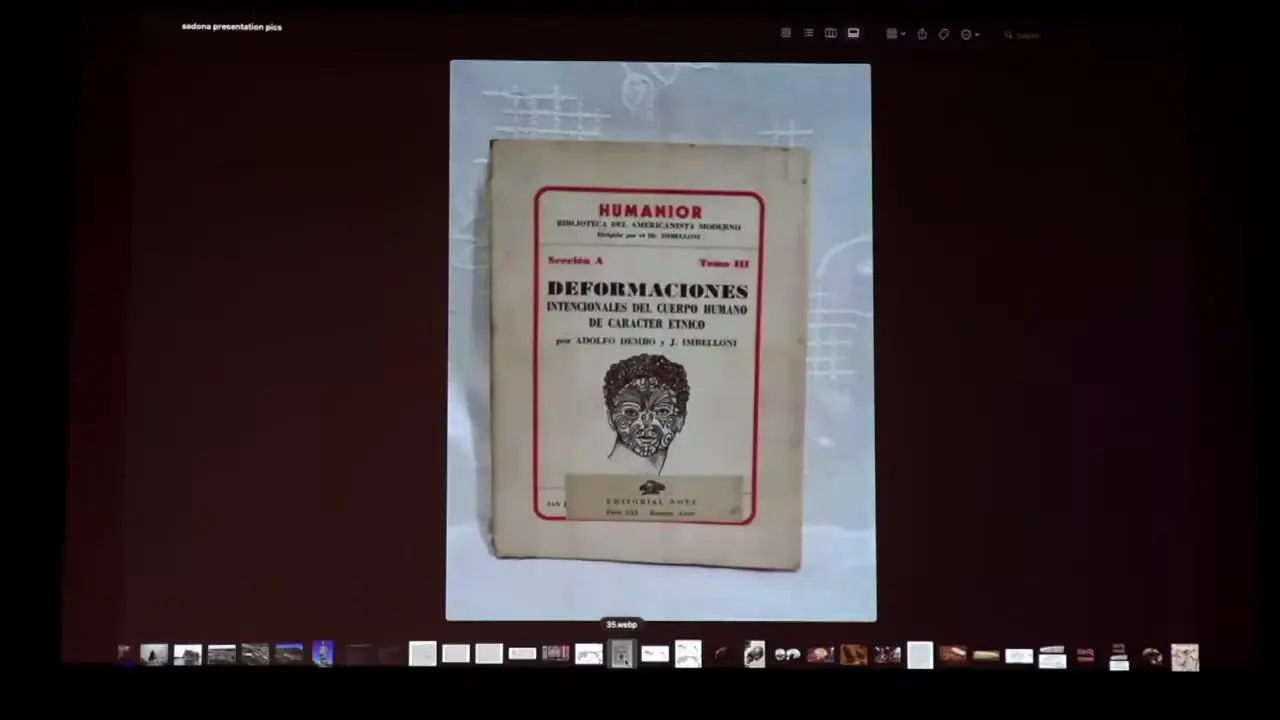
- A 1938 book documented a map of elongated skull distribution worldwide
- Comparison with a 2019 peer-reviewed paper shows significant loss of documented knowledge over 81 years
- Eastern seaboard of the United States, middle of the United States, Pacific Islands, and chunks of Asia disappeared from records
- Museums claim cultural sensitivity as the reason for not displaying skulls, but the practice is worldwide and universal
- The 'Chinook Sign of Freedom' book published in 1960 is now out of print and not stored in archives
- NAGPRA (Native American Graves Protection and Repatriation Act) has prevented access to many specimens
- Selection bias plays a significant role in what evidence survives in the archaeological record
Sources
The Elongated Skulls Mystery Really isn't a Mystery at Allahotcupofjoe.net
While it's true there are skulls, particularly in Peru–but in other regions as well, that have what we might describe as an elongated appearance ...
Artificially deformed crania from the Hun-Germanic Period (5th–6th ...thejns.org
This skull is that of a 21- to 25-year-old man (Fig. 2). Whereas the neurocranium could be well analyzed, the splanchnocranium is missing. Due to the ...
Elongated Skulls of Peru and Bolivia Brien Foerster - Academia.eduacademia.edu
The study investigates the phenomenon of cranial deformation observed in the elongated skulls from Peru and Bolivia, analyzing the various techniques employed ...
Elongated Skulls Of Paracas: A People And Their Worldhiddenincatours.com
Elongated Skulls Of Paracas: A People And Their World. Four hours drive south of Lima Peru lies the Paracas Peninsula, part of which is an ecological ...
Can DNA solve the mystery of Europe's pointy skulls?nationalgeographic.com
A new genomic study tries to see if there's a correlation between artificial cranial deformation and migration following the collapse of the Roman Empire.
Was this story useful?
Keep exploring
Every site on this page sits on the globe, and the people who research them are on the Discord.
3D Globe · Sites by country · Story Archive · Research Library · Weekly Journal · Search
AI-generated text · images from the original sources · always verify with the sources.