

Genetic sequencing detected cacao DNA in residue from two pottery sherds at Etowah Indian Mounds in Georgia, dated to about 900 years ago. The sherds came from mound fill associated with communal feasting. Earlier chemical tests at Cahokia in Illinois were inconclusive because the same markers occur in yaupon holly, used for the ceremonial 'black drink.' This is the earliest direct evidence of cacao use east of the Mississippi.
DNA confirms cacao use at Georgia’s Etowah Indian Mounds about 900 years ago
 USAArtifactSignificant Find
Key facts
- The analyzed pottery came from Etowah Indian Mounds in Georgia. Cahokia Mounds State Historic Site is in Illinois, not Georgia.
- Genetic testing identified Theobroma cacao DNA in two pottery sherds dated to roughly 900 years ago, or the 11th–12th centuries CE.
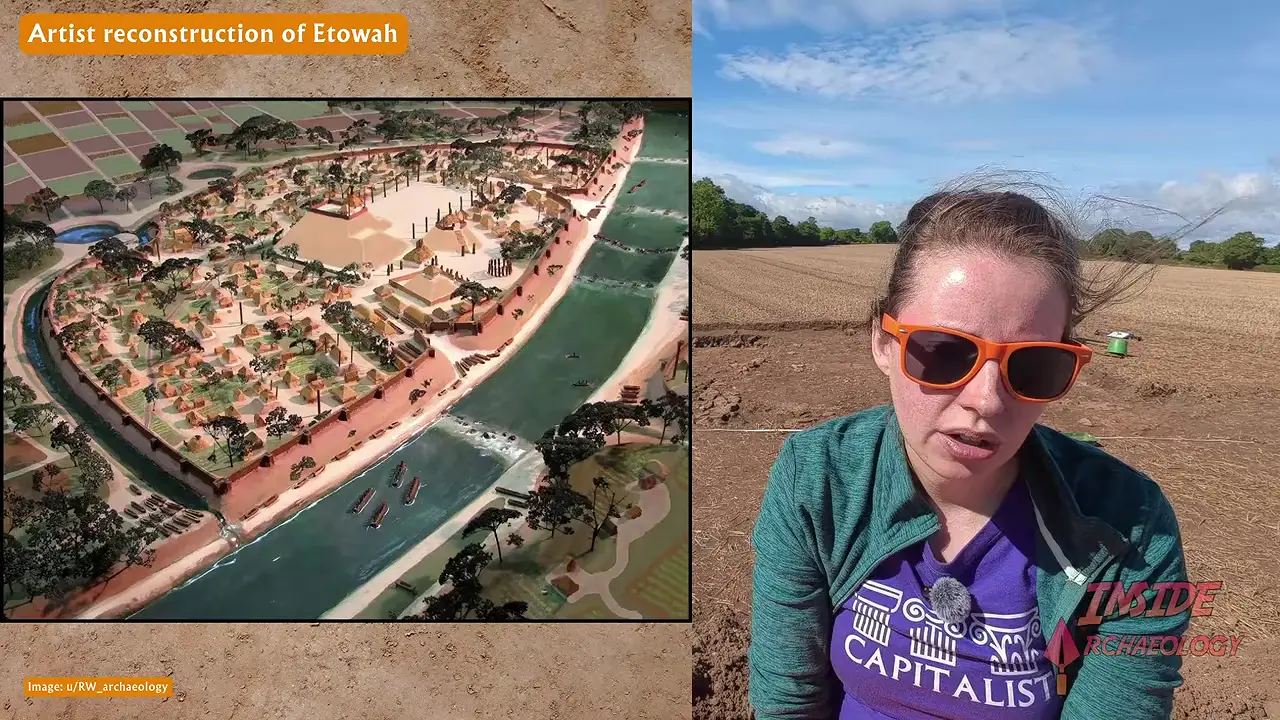
- The sherds came from Etowah mound fill associated with communal feasting.
- Earlier chemical tests at Cahokia detected cacao-like markers, but yaupon holly also produces them and was used for the ceremonial 'black drink.'
- Etowah was a major Mississippian center in Georgia; Cahokia was the separate major center in Illinois where the earlier chemical tests occurred.
- The Etowah finding is the earliest direct evidence of cacao use east of the Mississippi, extending the known pre-Columbian cacao range.
Sources
Cacao DNA in Etowah Pottery Puts Chocolate in the ...anthropology.net
Cacao in the Mississippian World: Archaeogenomic evidence ...journals.plos.org
Yaupon teaen.wikipedia.org
Ancient Cacao DNA Shows Indigenous People in Georgia ...studyfinds.com
Ancient Pottery Reveals the Earliest Known Traces of ...smithsonianmag.com
Cacao in the Mississippian World: Archaeogenomic evidence ...pmc.ncbi.nlm.nih.gov
Was this story useful?
Keep exploring
Every site on this page sits on the globe, and the people who research them are on the Discord.
3D Globe · Sites by country · Story Archive · Research Library · Weekly Journal · Search
AI-generated text · images from the original sources · always verify with the sources.