

According to Rapa Nui oral tradition, Moai represent ancestors and act as conduits for Mana—a spiritual force that protects and connects communities. The word 'Mana' originates from Polynesian languages, while a similar-sounding word 'Manna' appears in the Bible as miraculous food from Heaven. These are unrelated terms from different language families—Mana is Polynesian and Manna is Hebrew. Most Moai are carved from volcanic tuff, which is relatively soft and easier to carve, though some were made from basalt. The primary quarry for Moai was Rano Raraku volcano, where most were carved from the volcanic tuff found there.
Moai represent ancestors, channel Mana energy
 ChileGeneral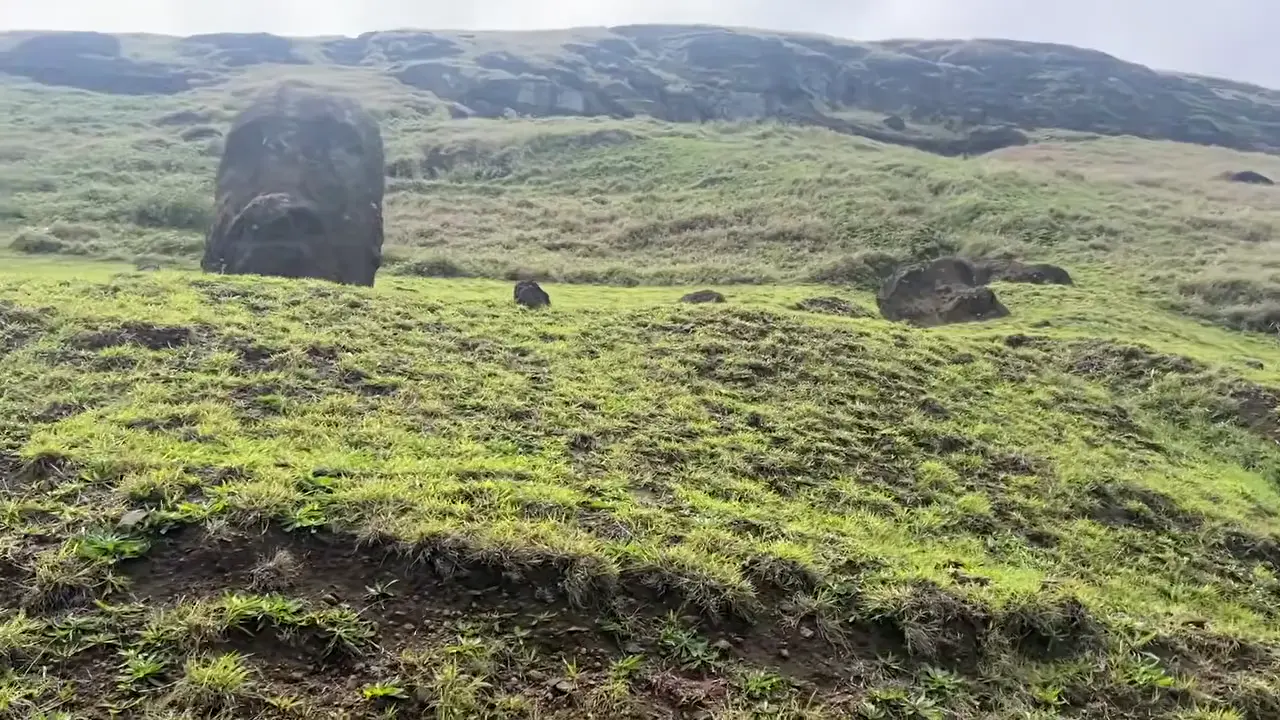
Site mentioned
Key facts
- According to oral Rapa Nui tradition, Moai represent ancestors and act as a conduit for Mana
- Mana is described as an energy source with physical effects in perceived reality
- The word 'Mana' is identical to the term used in the ancient Middle East, including in the Bible regarding Mana from Heaven and the Ark of the Covenant
- Moai are carved from four types of rock: basalt (only 13 made) and volcanic tuff (majority)
- Volcanic tuff is extremely soft and easier to carve than basalt
- The 13 basalt statues were likely made earlier in the timeline before switching to volcanic tuff
Sources
earthstoriez.com
Linked in video description
Was this story useful?
Keep exploring
Every site on this page sits on the globe, and the people who research them are on the Discord.
3D Globe · Sites by country · Story Archive · Research Library · Weekly Journal · Search
AI-generated text · images from the original sources · always verify with the sources.