

Barnenez (c. 4800-3000 BC): Brittany's great cairn — 74m long, up to 29m wide, 8m high. Archaeological work began 1955 when quarrying exposed burial chambers. Pierre-Roland Giot led the rescue, making it among Brittany's first monuments to receive proper study. ⛏️🏛️
Barnenez Cairn: Dimensions and 1950s Rescue Discovery
 FranceGeneral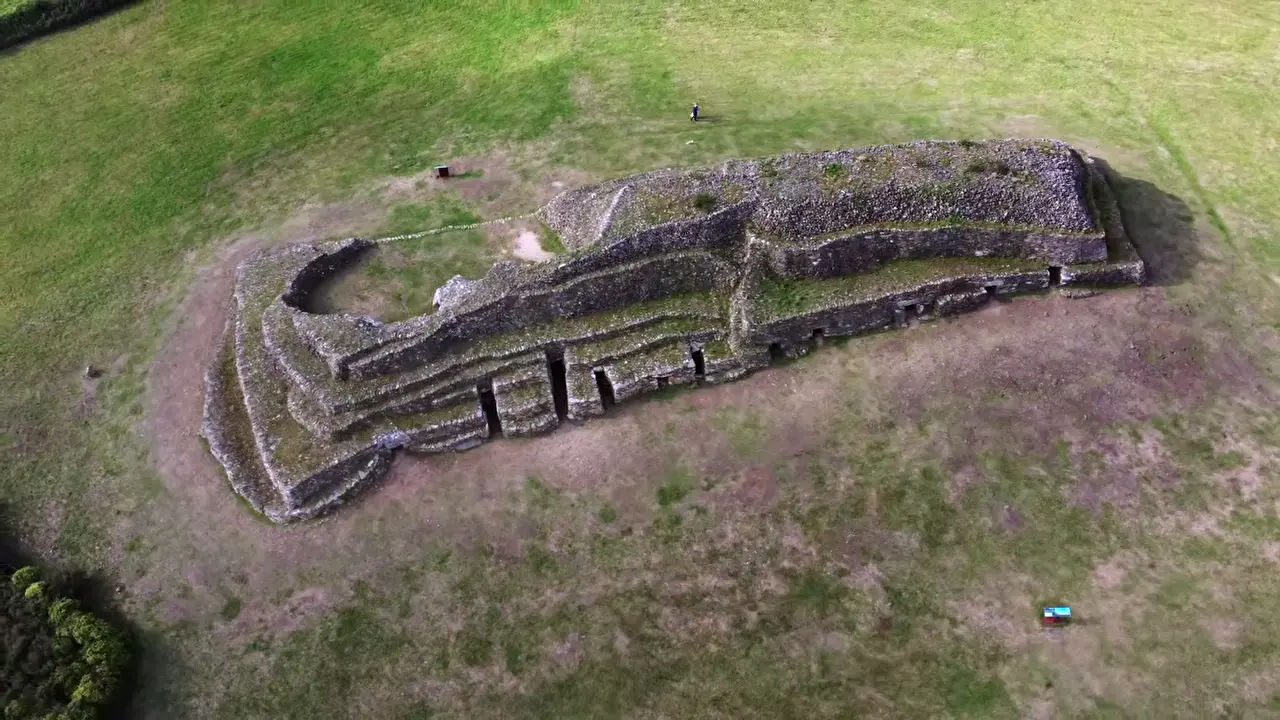
Key facts
- Barnenez measures 72m long, 25m wide at one end and 19m at the other, 8m high
- 13 to 14,000 tons of stone used in construction
- In the 1950s, Barnenez was used as a quarry for building a local road
- Pierre Rolan was called in and single-handedly rescued the monument, stopping the quarrying
- This was among the first monuments in Brittany to receive archaeological attention
- Initial radiocarbon dates yielded 4,800 BC, which is extraordinarily early
- Pierre Rolan's work led France to pass a law requiring anyone discovering an archaeological site to preserve it
Site mentioned
Sources
Barnenez | Encyclopedia.comencyclopedia.com
The entire monument is 74 meters long on its east-west axis, 29 meters wide at the western end, and 17.5 meters wide at the eastern end. Its eleven passage ...
Barnenez - Grokipediagrokipedia.com
The quarrying inadvertently facilitated the first major archaeological efforts, led by Pierre-Roland Giot starting in 1955. Giot, a prominent Breton ...
History of the Barnenez cairnbarnenez.fr
The Barnenez cairn was saved from destruction in extremis more than 50 years ago, when quarrying revealed the back of four burial chambers to the west of the ...
Cairn de Barnenez | Brittany tourismbrittanytourism.com
The Barnenez Cairn was repurposed as a quarry for a time, and might well have been forgotten altogether, if it wasn't for the archaeologist Pierre-Roland Giot ...
Was this story useful?
Keep exploring
Every site on this page sits on the globe, and the people who research them are on the Discord.
3D Globe · Sites by country · Story Archive · Research Library · Weekly Journal · Search
AI-generated text · images from the original sources · always verify with the sources.