

The Southwest has been home to humans for roughly 20,000 years! During the Archaic period (5000-2000 BCE), the climate dried out and turned what were once forests and grasslands into the arid landscape we know today. These early peoples were highly mobile hunter-gatherers who followed seasonal food sources across the Four Corners region. Archaeological finds show they traded for tools made from materials sourced from distant locations, indicating extensive travel networks. After 3200 BCE, mano and metate grinding stones appear in the record, suggesting more efficient food processing. 🏜️
Archaic Period: 20,000 Years of Human Presence in the Southwest
Key facts
- Humans have inhabited the Southwest region for roughly 20,000 years, back to the late Pleistocene
- Between 5000 and 2000 BCE, modern climate and vegetation patterns began to emerge
- Areas that had formerly been grasslands or forests became increasingly arid
- Archaic populations in the Four Corners were sparse and mobile with seasonal food resources
- After 3200 BCE, manos and metates appear in the archaeological record showing more efficient food processing
- Tool remains from Archaic sites show materials from distant sources, indicating wide travel networks
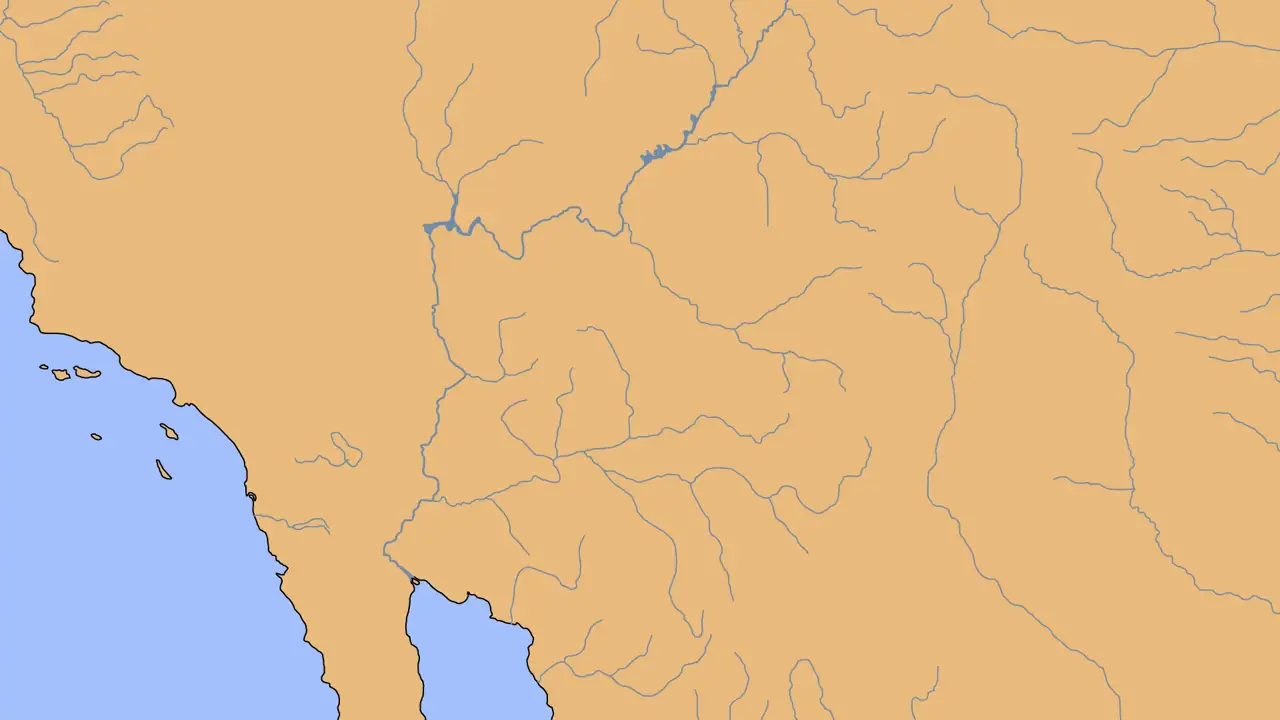
- The region is dominated by the Colorado Plateau at elevation above 1,500 meters (5,000 feet)
- Major rivers on the Plateau include the Little Colorado and San Juan Rivers
Sources
docs.google.com
Linked in video description
Was this story useful?
Keep exploring
Every site on this page sits on the globe, and the people who research them are on the Discord.
3D Globe · Sites by country · Story Archive · Research Library · Weekly Journal · Search
AI-generated text · images from the original sources · always verify with the sources.