

Archaeopharmacology searches for hallucinogenic plant residues. Microscopic analysis of artifacts reveals ancient drug use. Fascinating find: megalithic chambers have acoustic resonances around 110 Hz known to induce altered brain states. Research on ancient drug use continues with recent discoveries in Bronze Age Menorca showing direct evidence of hallucinogen use. 🔬🧠 02:49-04:19
Archaeopharmacology searches for hallucinogenic plant residues
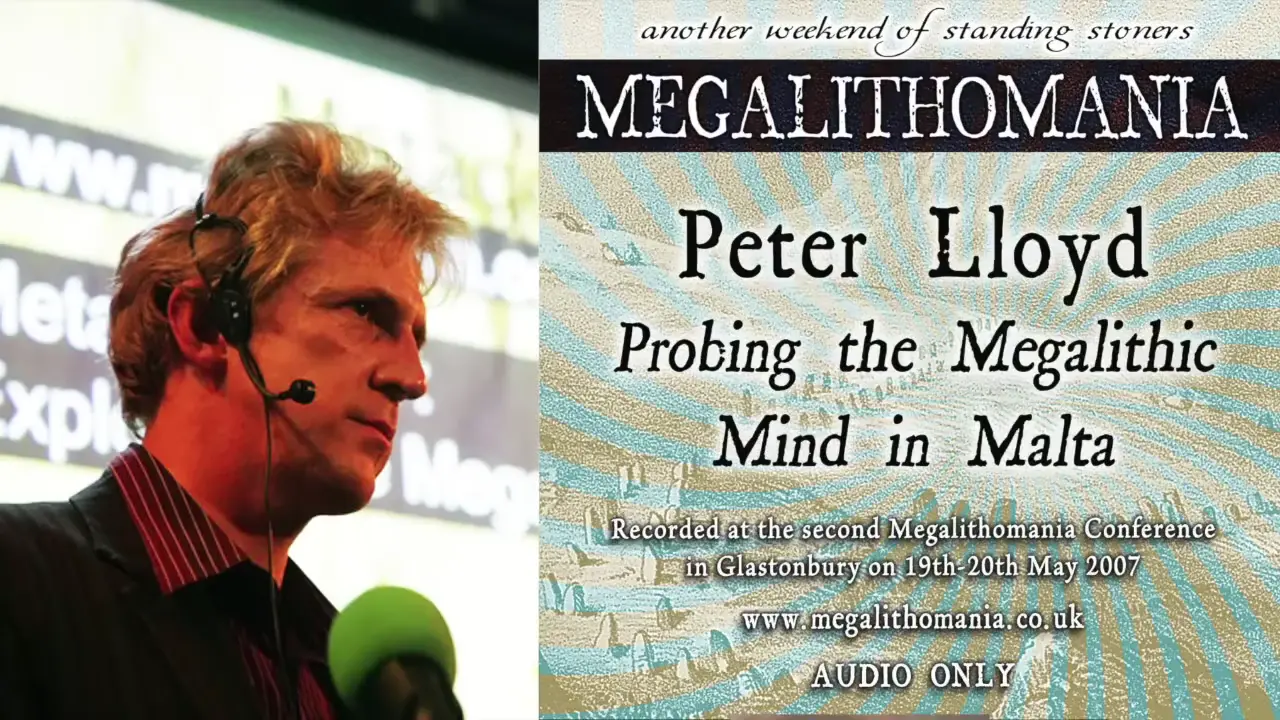
Key facts
- Archaeopharmacology is a new field analyzing microscopic samples from artifacts for narcotics
- Researcher Brendan Burhan in Newcastle studies hashish and other narcotics in tiny samples
- Henbane seeds were reportedly found in a cooking pot in Scotland in the 1990s, suggesting Neolithic use of hallucinogens
- Henbane grows wild in Malta and creates sensations of lightness and flight
- The report was later questioned and likely incorrect
- Acoustics research shows megalithic chambers have resonances around 110 Hz known to induce altered brain states
- Archaeoastronomy studies temple alignments with the sun and moon
Sources
megalithomania.co.uk
Linked in video description
Was this story useful?
Keep exploring
Every site on this page sits on the globe, and the people who research them are on the Discord.
3D Globe · Sites by country · Story Archive · Research Library · Weekly Journal · Search
AI-generated text · images from the original sources · always verify with the sources.