

The ancient Greeks used written numeral systems — an early acrophonic system with symbols, later an alphabetic system where alpha (A) represented one and beta (B) was two. The word calculus comes from pebbles (Greek: kalkos), and this counting tool inspired mathematical reasoning. The 19-year Metonic cycle coordinates lunar and solar calendars, with seven connected to lunar phases and twelve approximating months in a solar year. This pebble-based foundational thinking influenced mathematics from Pythagoras through Euclid for centuries. Imagine doing geometry with stones in the sand — the sophistication of their reasoning makes this even more impressive.
Ancient Greeks calculated with pebbles, seven lunar and twelve solar numbers
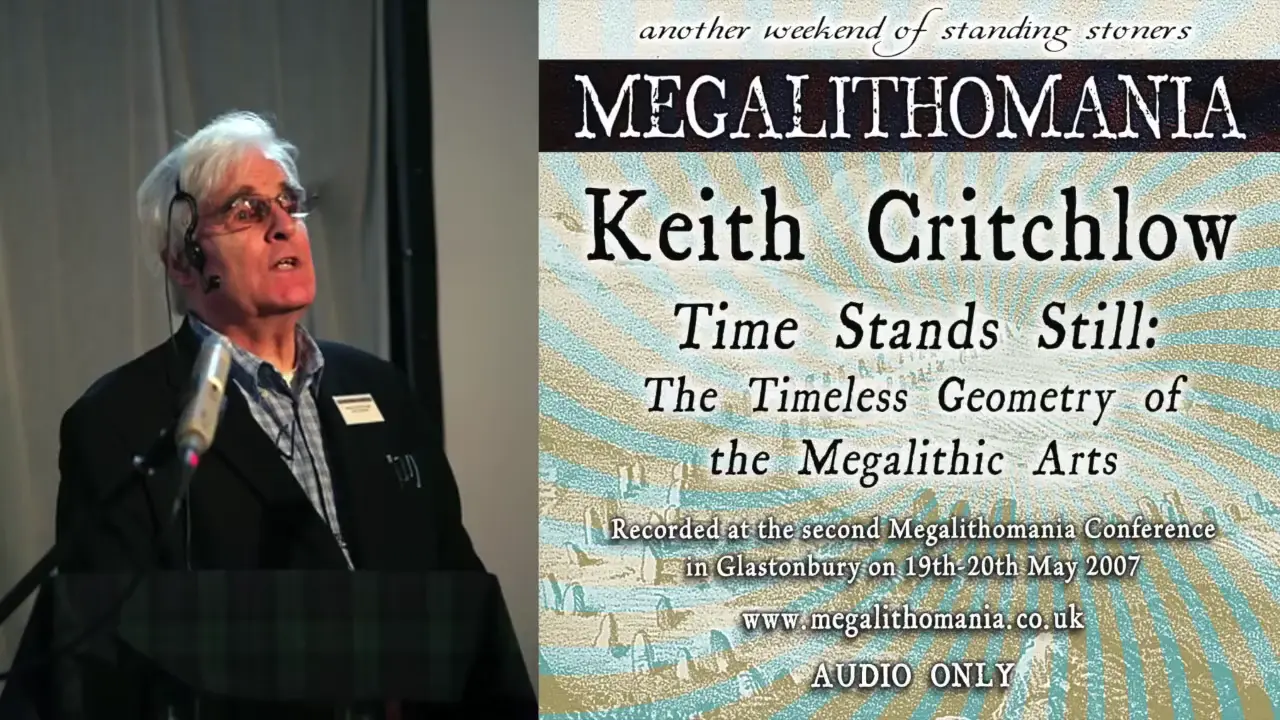
Key facts
- Pythagoras, Plato, Aristotle, and Euclid had no written numbers
- Number one was letter A, number two was B
- They calculated using pebbles (Greek: calculus)
- Seven and lunar cycles closely associated
- Twelve represents solar rhythm of the year
- Seven and twelve combine to create cycle of 19 (Metonic cycle)
Sources
megalithomania.co.uk
Linked in video description
megalithomania.co.uk
Linked in video description
Was this story useful?
Keep exploring
Every site on this page sits on the globe, and the people who research them are on the Discord.
3D Globe · Sites by country · Story Archive · Research Library · Weekly Journal · Search
AI-generated text · images from the original sources · always verify with the sources.