

The 2022 geological study is fascinating: no bedding boundaries appear inside the pillars, meaning each came from a single rock bed and was quarried horizontally. Flint tools litter the quarry areas, and wooden wedges plus levers could have freed the block from a naturally flat bedding plane. The thickest beds (90–130 cm) sit near the top of the formation — about 600 m from the oval buildings, still an enormous effort. 🪓
2022 study: Gobekli Tepe pillars cut from single beds with flint tools
Key facts
- The Firat formation limestone was relatively easy to work during the Early Holocene (also called the Greenlandian period), when the Fertile Crescent was exposed to wet conditions and the porous rock was water-saturated; when dry it becomes extremely hard.
- The thickest beds, ranging between about 90 and 130 cm, lie toward the top of the formation and are the ones suited to T-pillar extraction; the settlement and the quarries are at the same altitude.
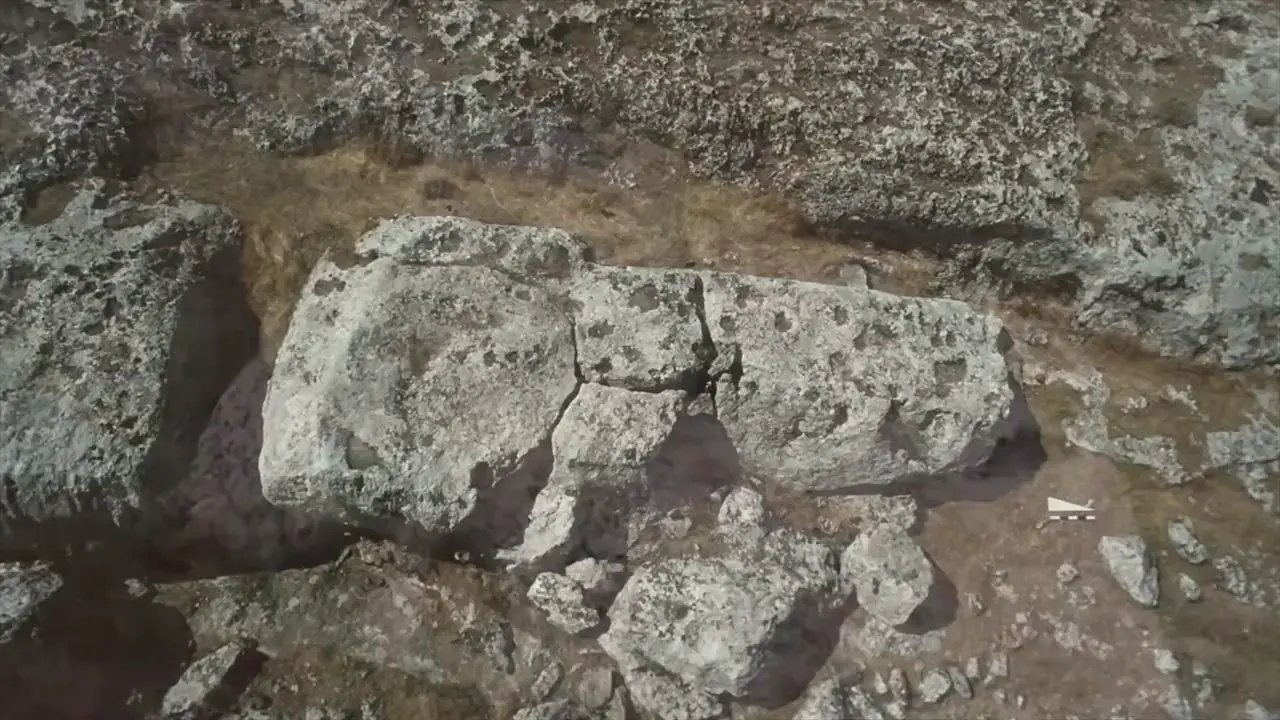
- Quarrying began on sloping topography where bed thickness was visible, selecting an outcrop with bed thickness close to that of the intended pillar and free of flaws or vertical fissures.
- The top surface and one long side of the T-pillar could be shaped in situ from the rock exposure, while trenches were dug to outline the rest of the block down to the naturally flat bedding plane below, which served as the pillar's other face.
- Flint tools are found scattered around the quarry areas, and wooden wedges hammered into the bedding plane could have detached the block without cutting beneath it.
- Dislodging the pillar required wooden beams to lever it out, needing considerable strength, skill and manpower, after which it was moved to the construction site to be finished and carved.
- The 2022 geological study found no bedding boundaries within the pillars, proving each was taken from a single rock bed and quarried horizontally rather than vertically.
- The study indicates most T-pillars came from outcrops about 600 m northwest of the oval buildings, a distance the video says would still require an enormous effort, possibly with hundreds of people per pillar.
- The video speculates wooden sledges and planks may have been used for transport, a method it says is not established.
Was this story useful?
Keep exploring
Every site on this page sits on the globe, and the people who research them are on the Discord.
3D Globe · Sites by country · Story Archive · Research Library · Weekly Journal · Search
AI-generated text · images from the original sources · always verify with the sources.