

EGYPTology discusses the 'breaking of the red jars' (sḏ-dsrwt) ritual in pyramid studies. However, this ceremony's spell appears primarily documented in burial chamber contexts, not vestibules where pyramid texts reference 'opening a door to the sky.' As the only accessible space before the portcullis blocks entry to inner chambers, vestibules may have served a different function than ritual smashing of pottery offerings. The breaking of the red jars spell's language about offerings being unusable raises questions about how such offerings would relate to the false door concept found in vestibule decoration.
Vestibule chambers served visitor access, not rituals
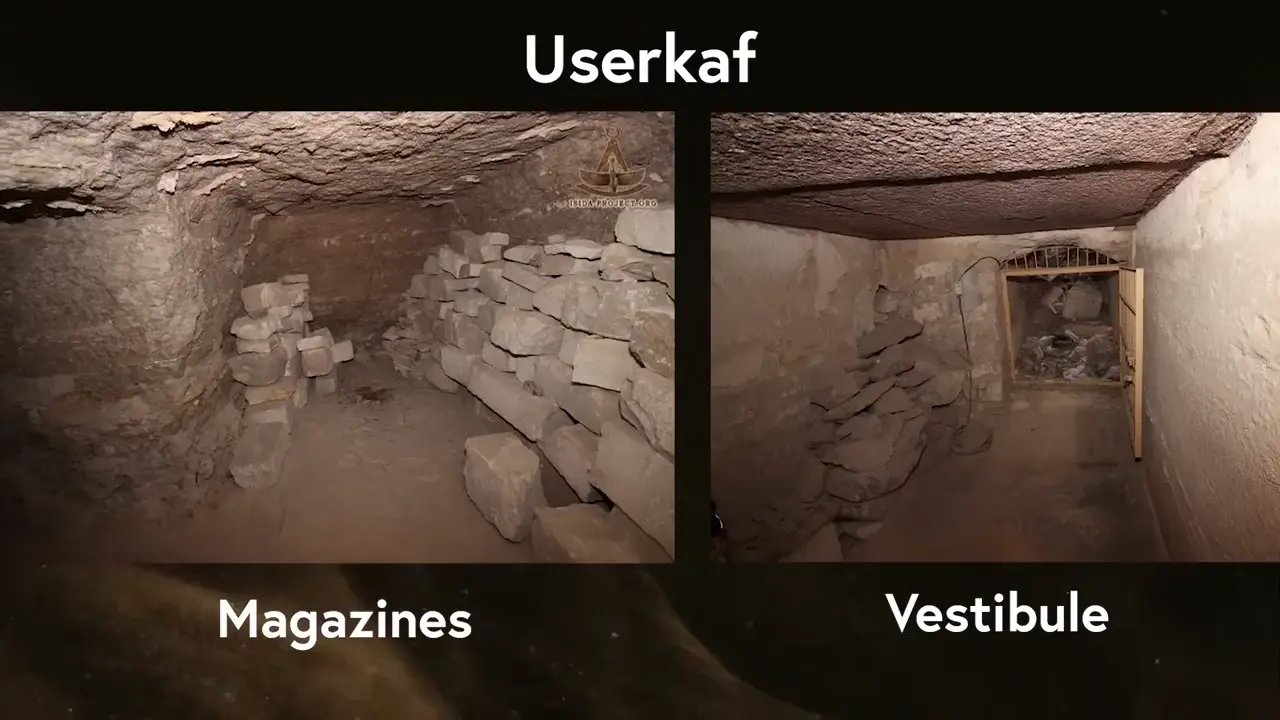
Site mentioned
Key facts
- EGYPTology claims vestibules were for the 'breaking of the red jars' ceremony where ceramic offerings were smashed
- This ceremony's spell is found in the burial chamber, not the vestibule where pyramid texts refer to 'opening a door to the sky'
- Vestibules are the only chamber accessible before portcullis blocks access to inner chambers
- Manare's false door decoration in vestibule connects to temporary offerings concept
- The breaking of the red jars spell states offerings are unusable, contradicting receiving them through a false door
- Temporary offerings were made in adjacent temples, suggesting some could have been within pyramids themselves
Sources
isida-project.ucoz.com
Linked in video description
keithhamilton.academia.edu
Linked in video description
Was this story useful?
Keep exploring
Every site on this page sits on the globe, and the people who research them are on the Discord.
3D Globe · Sites by country · Story Archive · Research Library · Weekly Journal · Search
AI-generated text · images from the original sources · always verify with the sources.