

Post: Archaeologist Rainer Stadelmann proposed Old Kingdom pyramids followed a standard three-chamber design across six dynasties. But this theory required bending rules repeatedly: the Bent Pyramid's ascending passage was counted as a chamber, Khufu's Grand Gallery was excluded despite its size, and Khafre's burial chamber was divided artificially. A theory needing this much flexibility may say more about the researcher than the pyramids themselves.
Three-chamber theory flawed across Old Kingdom pyramids
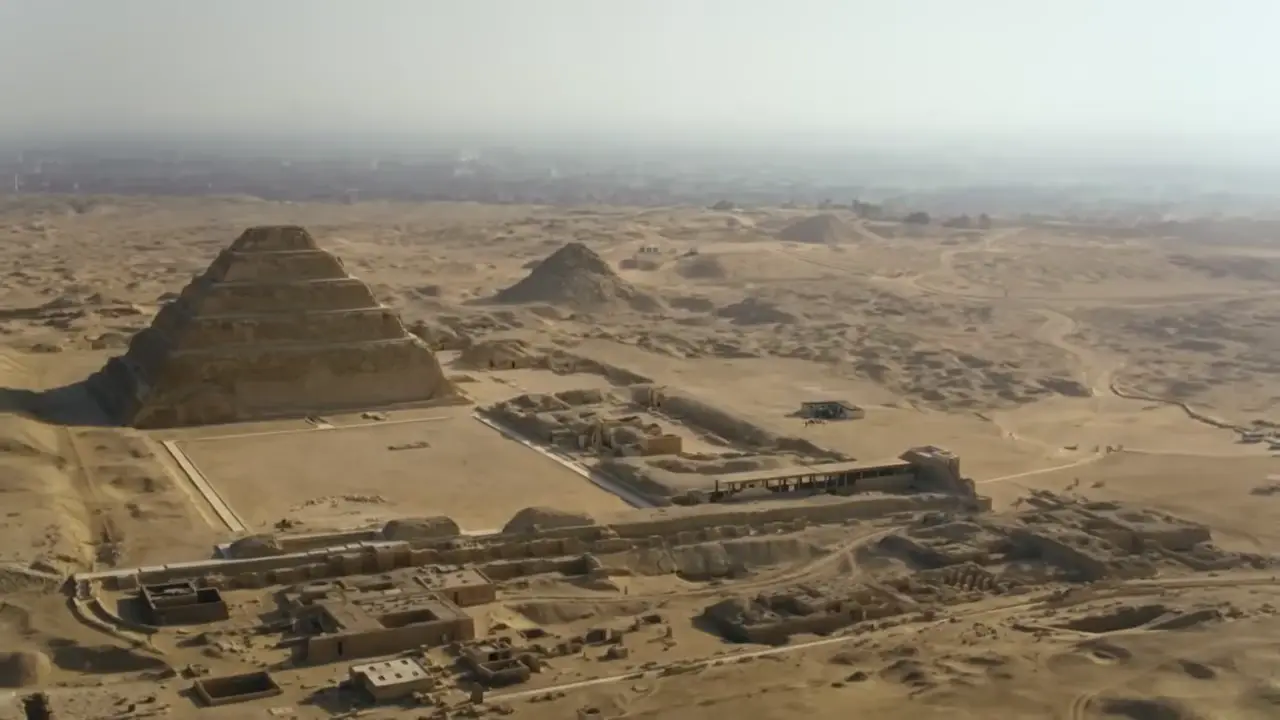
Site mentioned
Key facts
- Stotleman proposed Old Kingdom pyramids had a standard three-chamber design spanning six dynasties and nearly 1000 years
- Mark Lehner and Zahi Hawass praised this theory in their 2017 book
- Stotleman provides no reason why three chambers were spiritually required
- Joser's pyramid required combining magazines and extrapolating an antichamber from the south tomb
- The Bent Pyramid forced Stotleman to count the ascending passage as a chamber
- Kafre's pyramid has only two chambers but Stotleman divided the burial chamber into two based on floor layout
- Kufu's Grand Gallery was excluded from counting despite being larger than the Bent Pyramid's passage
- Manare's pyramid shows the arbitrary nature of the counting system - decorated rooms excluded while magazines counted
- The theory required bending rules repeatedly to force every pyramid into the three-chamber framework
Sources
isida-project.ucoz.com
Linked in video description
keithhamilton.academia.edu
Linked in video description
Was this story useful?
Keep exploring
Every site on this page sits on the globe, and the people who research them are on the Discord.
3D Globe · Sites by country · Story Archive · Research Library · Weekly Journal · Search
AI-generated text · images from the original sources · always verify with the sources.