

King Kashyapa built his Sri Lankan fortress atop a monolith around 477-495 CE, hauling ~3 million clay bricks to the summit after usurping the throne. A hand-carved tank sits at the summit roughly 90 ft long, 68 ft wide, and nearly 7 ft deep, using percolation plus drainage to stay functional even during monsoons. The surrounding area shows signs of Mesolithic habitation ~5,000 years ago, and white marble blocks used in construction are not native to the area, their source still unknown. Pure ancient genius! 🏛️🪨
Sigiriya - Peak fortress shows advanced ancient engineering in Sri Lanka
 Sri LankaGeneral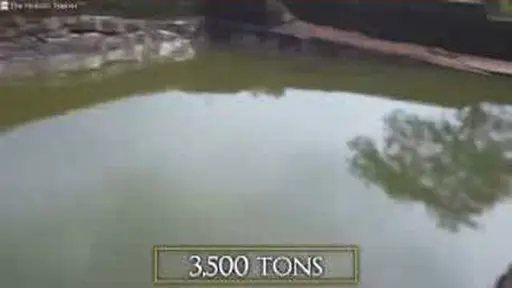
Key facts
- Area surrounding Sigiriya - Peak shows signs of Mesolithic habitation ~5,000 years ago
- King Kashyapa ruled Sri Lanka 473-495 CE and built fortress on monolith after usurping throne
- Site contains approximately 3 million clay bricks transported to the top of the rock without evidence of ancient stairs
- White marble blocks used in construction are not native to the area and their source is unknown
- Enormous granite water tank carved into solid rock measures 90 ft long, 68 ft wide, and nearly 7 ft deep
- Over 3,500 tons of granite removed by hand to create the tank
- Tank shows scoop-marks resembling those at megalithic sites in Egypt and Peru, with no chisel marks
- Tank collects water through percolation and has drainage system preventing overflow during monsoons
- Site was given to Buddhist monks after Kashyapa's death and served as monastery until 14th century
- Western rediscovery occurred when British Major Jonathan Forbes encountered ruins on horseback
Site mentioned
Sources
Sigiriya | Rock Fortress, Ancient Palace, UNESCO Site - Britannicabritannica.com
Sigiriya, site in central Sri Lanka consisting of the ruins of an ancient stronghold that was built in the late 5th century ce on a remarkable monolithic rock ...
King Kashyapa: Builder of the Sigiriya Rock Fortresssigiriyaguide.com
Discover the epic tale of King Kashyapa and his majestic Sigiriya Rock Fortress — Sri Lanka's legendary sky palace of art, power, and tragedy...
Sigiriya Sri Lanka | Official Travel Websitesigiriyafortress.com
... fortress known for its massive column of rock that reaches nearly 200 meters high. The site dates back to the reign of King Kasyapa (477-495 AD), who chose ...
Sigiriya - Wikipediaen.wikipedia.org
Sigiriya or Sinhagiri is an ancient rock fortress located in the northern Matale District near the town of Dambulla in the Central Province, Sri Lanka.
About Us – BRICSbrics2026.gov.in
The inaugural BRIC Summit was convened in Yekaterinburg, Russia, in 2009. It was agreed to expand BRIC into BRICS with the inclusion of South Africa at the BRIC ...
Was this story useful?
Keep exploring
Every site on this page sits on the globe, and the people who research them are on the Discord.
3D Globe · Sites by country · Story Archive · Research Library · Weekly Journal · Search
AI-generated text · images from the original sources · always verify with the sources.