

Djoser's pyramid complex (c. 2700 BCE) contains a vast underground labyrinth beneath the Step Pyramid at Saqqara. The subterranean passages total nearly 5.5 km in length, including niches and shafts leading to secondary chambers. Tunnels were sealed with massive limestone blocks. The south tomb contains a miniature burial chamber featuring blue-tiled decor and a granite sarcophagus.
Djoser's Subterranean Labyrinth Reveals Advanced Engineeringlost_civilization
 EgyptExcavation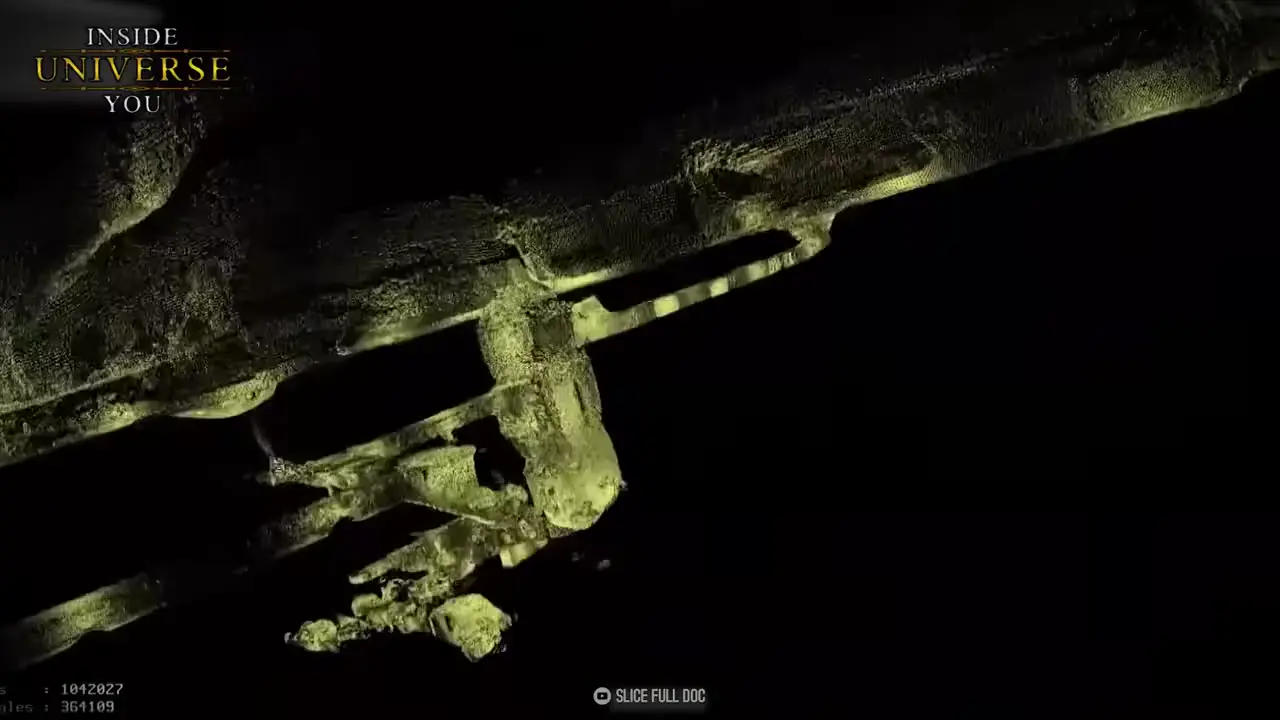
Key facts
- Lower passages contain niches and shafts leading to secondary chambers possibly for royal family members or high priests
- Tunnels were sealed with massive limestone blocks requiring extraordinary precision
- High-resolution 3D mapping shows tunnels form an intentional geometric pattern radiating outward like spokes of a wheel
- Some corridors align with astronomical orientations linking the underground network to celestial movements
- The south tomb contains a miniature version of the main burial chamber with blue-tiled room and granite sarcophagus
- Much of Djoser's subterranean labyrinth remains unexcavated or inaccessible due to collapsed sections
- The builders possessed full conceptual and technical mastery that later culminated in the Great Pyramid of Giza
Site mentioned
Sources
Step Pyramid of Djoser: Egypt's first Pyramid - Live Sciencelivescience.com
The Step Pyramid of Djoser was built about 4,700 years ago with six layers above ground and a series of tunnels below.
Saqqara - Step Pyramid Complex of Djoser - Institute of Egyptian Art ...memphis.edu
The Step Pyramid was designed for King Djoser (Dynasty 3) by his vizier Imhotep. The pyramid is located at Saqqara, the main necropolis of ancient Memphis.
Step Pyramid complex at Saqqara - Smarthistorysmarthistory.org
In addition to the king's burial chamber, a labyrinth of tunnels totaling nearly 5.5 km in length was quarried out beneath the pyramid. There is a central ...
The Step Pyramid Complex of Djoser - Discover Egypt's Monumentsegymonuments.gov.eg
Djoser's pyramid complex also has some unique features. The two courts in front of the pyramid recreate the setting of the Sed Festival, a royal ceremony aimed ...
Saqqara Step Pyramid (Pyramid of Djoser) – History, Facts & Ticketsegypttoursgroup.com
With its six-step profile, underground labyrinth, and vast funerary complex, the pyramid symbolizes both Egypt's engineering genius and its ...
Was this story useful?
Keep exploring
Every site on this page sits on the globe, and the people who research them are on the Discord.
3D Globe · Sites by country · Story Archive · Research Library · Weekly Journal · Search
AI-generated text · images from the original sources · always verify with the sources.