

Rano Raraku on Rapa Nui holds one of the island’s three freshwater crater lakes and sits within UNESCO-listed Rapa Nui National Park; Rano Kau is the largest crater. In 1964, a Canadian medical expedition led by Surendra Sehgal collected soil there. The resulting culture yielded rapamycin, isolated and described in 1975. Rapamycin derivatives prevent transplant rejection and treat some cancers; cardiovascular use remains largely investigational. Some mouse studies report 15–30% lifespan gains, but a human longevity benefit is unproven. Rapamycin-producing microbes also occur in soils elsewhere: Rano Raraku was the discovery site, not its only home.
Rano Raraku: Rapamycin’s discovery site, studied for longevity
 ChileGeneral
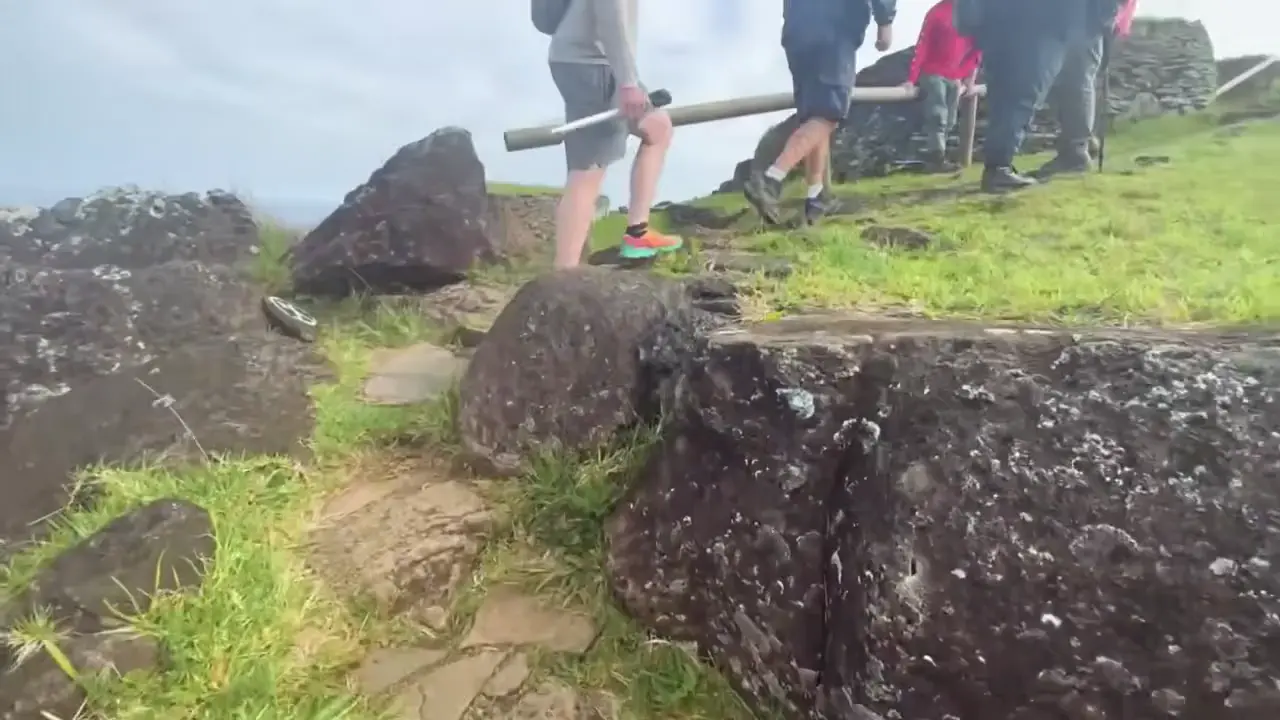
Site mentioned
Key facts
- Rano Raraku contains one of Rapa Nui’s three freshwater crater lakes and lies within UNESCO-listed Rapa Nui National Park.
- Rano Kau, not Rano Raraku, is the largest crater on Rapa Nui.
- A Canadian medical expedition led by Surendra Sehgal collected the source soil sample in 1964; rapamycin was isolated from the associated culture and described in 1975.
- Rapamycin and its derivatives are used to prevent transplant rejection and treat some cancers; their use in cardiovascular disease remains largely investigational.
- Animal studies, mainly in mice, have reported lifespan gains of roughly 15–30% under some regimens, but a comparable effect in humans has not been demonstrated.
- Rapamycin is not unique to Rano Raraku; rapamycin-producing Streptomyces organisms occur in soils elsewhere.
Sources
From Rapa Nui to Rapamycin: The Inspiring Story of the Man Behind ...utak.com
Read the story of how Surendra Sehgal discovered Rapamycin and was able to extend his life through his discovery.
Story of Rapamunesehgal.net
Suren Sehgal, identified and isolated a new chemical compound that contained potent anti-fungal properties. Dr. Sehgal and his team quickly discovered that the ...
Rapamycin: The “fountain of youth” from Easter Island?hekint.org
Learn about the history of the rejuvenating rapamycin discovered as a result of an expedition to Easter Island in 1964.
The HisTORy Behind the Discovery of Rapamycin | Bio-Radbio-rad-antibodies.com
Dr Sehgal was initially developing rapamycin as an antifungal drug until it became apparent that rapamycin also had immunosuppressive activity ( ...
The origin story of rapamycin: systemic bias in biomedical research ...pmc.ncbi.nlm.nih.gov
METEI (Medical Expedition to Easter Island) was a Canadian-led expedition to Easter Island in 1964 that led to the discovery of rapamycin, launching a ...
Rapa Nui (Easter Island) Rano Raraku crater lake basinpmc.ncbi.nlm.nih.gov
by E Argiriadis · 2021 · Cited by 7 — Today, Rano Raraku (Fig 1) is one of the three main freshwater sources of the island along with Rano Kau and Rano Aroi in crater basins. The crater (Figs 1 and…
Rapa Nui (Easter Island) Rano Raraku crater lake basinjournals.plos.org
by E Argiriadis · 2021 · Cited by 7 — Rano Raraku, the crater lake constrained by basaltic tuff. As one of the only freshwater sources on the island,
Rano Rarakuen.wikipedia.org
The interior contains one of the island's three freshwater crater lakes, which is bordered by nga'atu or totora reeds. i for thatched shelter and swimming aids.
Was this story useful?
Keep exploring
Every site on this page sits on the globe, and the people who research them are on the Discord.
3D Globe · Sites by country · Story Archive · Research Library · Weekly Journal · Search
AI-generated text · images from the original sources · always verify with the sources.