

The Rano Raraku crater holds an unexpected secret — in 1964, a pharmaceutical expedition led by Canadian scientist Surendra Sehgal discovered rapamycin in its soil. This immunosuppressant prevents organ transplant rejection and is used in cancer and cardiovascular treatments. Remarkably, studies suggest rapamycin may extend mammalian lifespan. Here's the intriguing part: this compound was first discovered in this specific crater on Easter Island. The crater itself is now a freshwater lake and UNESCO World Heritage Site.
Rano Raraku crater: Discovery site of rapamycin, potential key to human longevity
 Chile, Easter IslandGeneral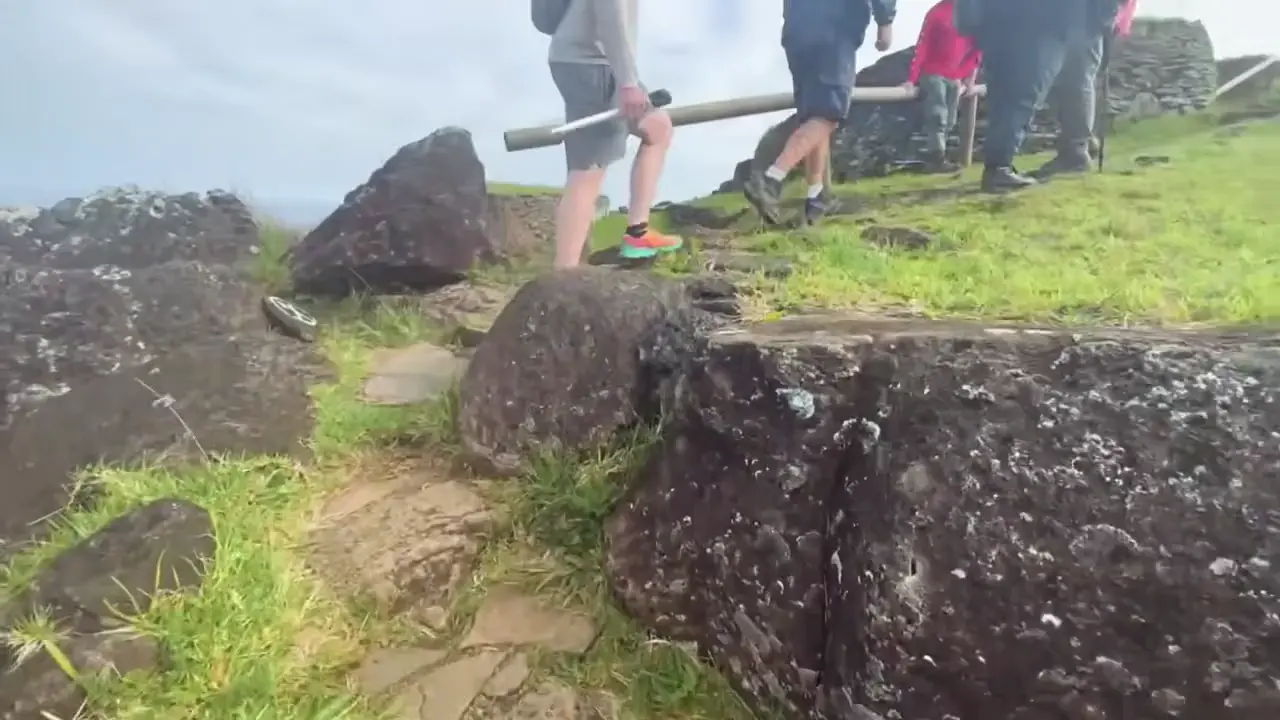
Key facts
- Rano Raraku crater is now a freshwater lake and the largest crater on Easter Island
- It is a UNESCO World Heritage Site
- In 1964, a Canadian medical expedition discovered rapamycin in the soil here
- Rapamycin is an immunosuppressant that prevents organ transplant rejection
- The drug is also used in cancer treatment and cardiovascular disease treatment
- Studies show rapamycin can increase mammalian lifespan by 15-30%
- The compound is only found in this specific crater on Earth
Site mentioned
Sources
From Rapa Nui to Rapamycin: The Inspiring Story of the Man Behind ...utak.com
Read the story of how Surendra Sehgal discovered Rapamycin and was able to extend his life through his discovery.
Story of Rapamunesehgal.net
Suren Sehgal, identified and isolated a new chemical compound that contained potent anti-fungal properties. Dr. Sehgal and his team quickly discovered that the ...
Rapamycin: The “fountain of youth” from Easter Island?hekint.org
Learn about the history of the rejuvenating rapamycin discovered as a result of an expedition to Easter Island in 1964.
The HisTORy Behind the Discovery of Rapamycin | Bio-Radbio-rad-antibodies.com
Dr Sehgal was initially developing rapamycin as an antifungal drug until it became apparent that rapamycin also had immunosuppressive activity ( ...
The origin story of rapamycin: systemic bias in biomedical research ...pmc.ncbi.nlm.nih.gov
METEI (Medical Expedition to Easter Island) was a Canadian-led expedition to Easter Island in 1964 that led to the discovery of rapamycin, launching a ...
Was this story useful?
Keep exploring
Every site on this page sits on the globe, and the people who research them are on the Discord.
3D Globe · Sites by country · Story Archive · Research Library · Weekly Journal · Search
AI-generated text · images from the original sources · always verify with the sources.