

Ramesses III incorporated Near Eastern migdal-style fortress gates into his Medinet Habu temple. Common in Syria and the Levant, these offered stronger defensive control than standard Egyptian entrances. The temple served as both religious center and military fortress 🏛️
Ramesses III adopts Near Eastern migdal fortress architecture at Medinet Habu temple
 EgyptArchitecture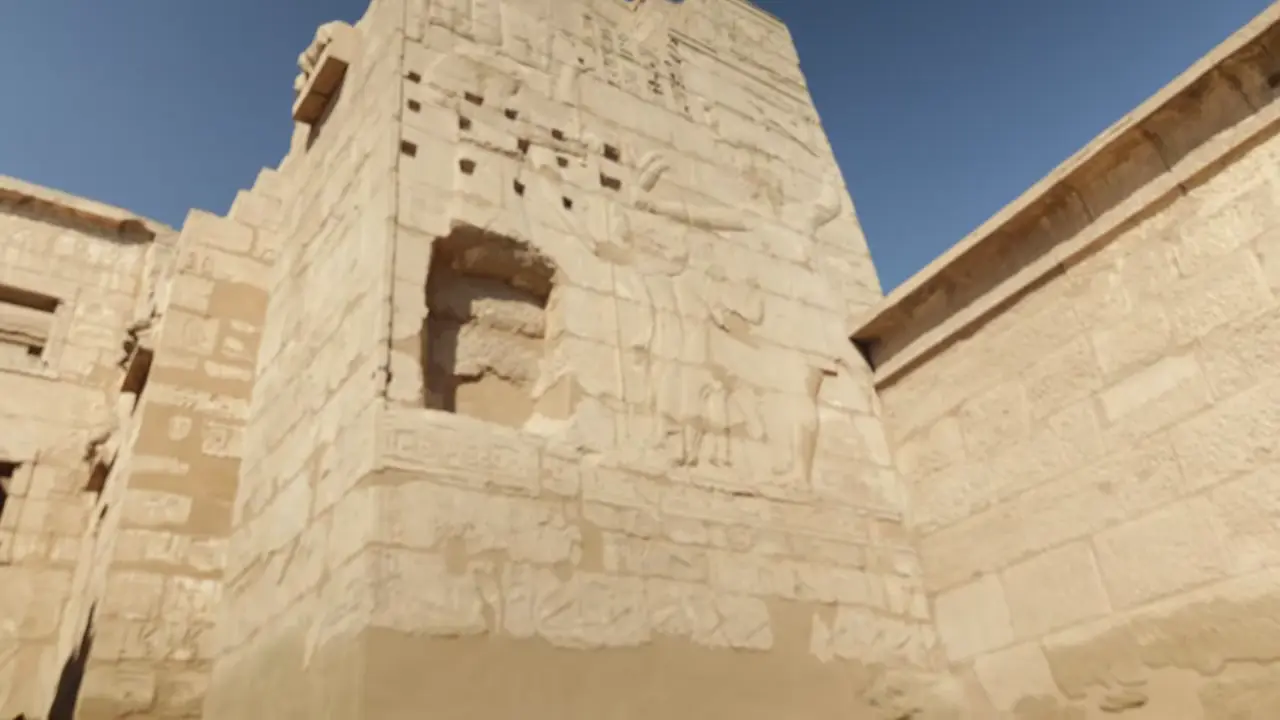
Key facts
- Ramesses III incorporated migdal-style fortress gate house into temple design
- Migdal fortifications were common in Syria and the Levant
- This architectural style offered stronger defensive control than traditional Egyptian temple entrances
- Temple functioned as both religious and military fortress
- Temple served as refuge during worker strikes and later dynastic conflicts
Site mentioned
Was this story useful?
Keep exploring
Every site on this page sits on the globe, and the people who research them are on the Discord.
3D Globe · Sites by country · Story Archive · Research Library · Weekly Journal · Search
AI-generated text · images from the original sources · always verify with the sources.