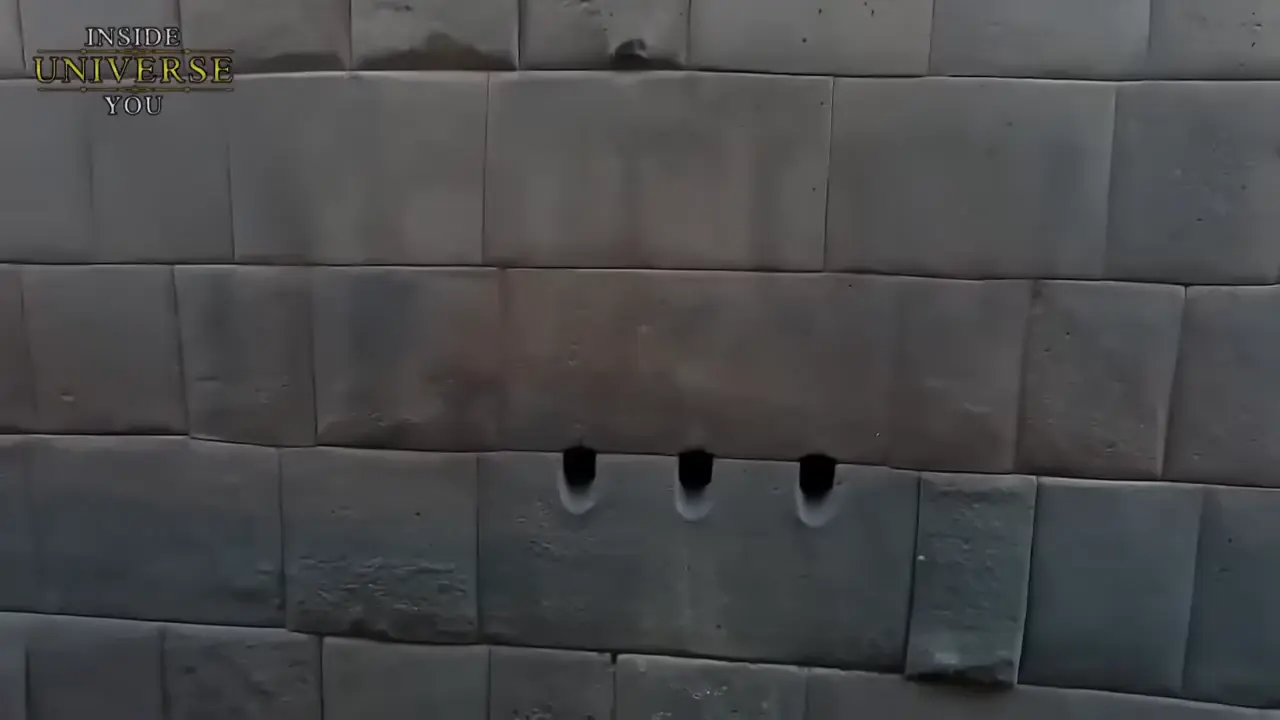
🇵🇪 Coricancha (Temple of the Sun) in Cusco features notable polygonal andesite masonry. Archaeological evidence indicates the Incas developed their architectural traditions building upon earlier Andean building practices. The site remains one of the most important sacred spaces in Cusco. 🧱
Key facts verified:
- Coricancha in Cusco is the most important temple in the Inca Empire, dedicated to the Sun God Inti
- Inca architecture features precise stonework with fitted masonry
- The Incas built upon and synthesized earlier Andean architectural traditions
- The temple was described by early Spanish colonialists
Sources
Coricancha: Inca Temple of the Sun in Cusco - ThoughtCothoughtco.comThe Coricancha or "Golden Enclosure" was the most sacred and important temple in the town of Cusco for the Inca Empire.
Coricancha, the Incas' temple of the sun: a history of cities in 50 ...theguardian.comBuilt in the shadows of the Andes, Cusco's golden temple was the centrepiece of an empire that revolutionised city planning in South America.
Coricancha - Wikipediaen.wikipedia.orgThe Coricancha was the most important temple in the Inca Empire, and was described by early Spanish colonialists. It is located in Cusco, Peru, ...
Qorikancha: The Ultimate Guide to the Temple of the Sunsalkantaytrekking.comThe Qorikancha (also called Coricancha or Qoricancha), known as the “Golden Temple,” was the most sacred sanctuary of the Inca Empire, dedicated ...
Coricancha: Cusco's Golden Temple of the Sun - Peru For Lessperuforless.comDedicated to the Sun God Inti, the Inca temple of Coricancha has a unique history and continues to be an important part of Cusco. Coricancha ...
AI-generated text · images from the original sources · always verify with the sources.