

Coricancha's curved wall features tightly fitted stone blocks. Doorways show trapezoidal design. Researchers note seismically sound construction techniques in Inca architecture. ⚒️🗿
Coricancha curved andesite wall with vitrified joints and L-blocks
 PeruArchitecture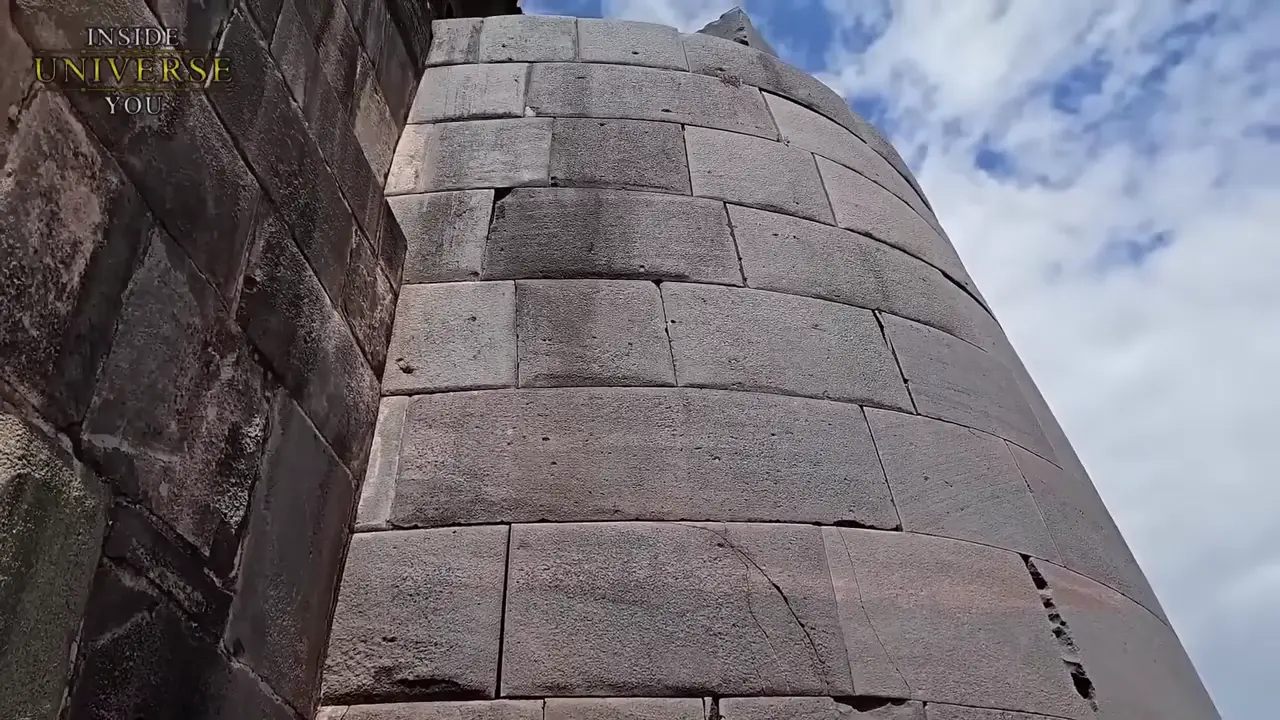
Key facts
- Curved outer wall made of tightly fitted andesite blocks over 1 meter tall
- Blocks interlock along multi-angled zigzagging joints, some appear fused or vitrified
- Convex block faces concentrate pressure at edges for enhanced grip
- Square knobs with precise right angles found on mirrored sides of window alcoves
- Trapezoidal doorways and niches measure exactly 86° at bottom, 90° at top
- Same 86-degree measurements found at Ollantaytambo 70 km away
- Tiny perfectly shaped stress-relief stones inserted between massive blocks, similar technique found at Easter Island, Egypt's Osiran, and Osaka Castle
- L-shaped cornerstones wrap around wall edges as single blocks
- Golden Altar star map depicts constellations with Inca mythological associations
- Spanish stripped gold plating and looted temple in 1530s, built Sto. Domingo convent over ruins
Site mentioned
Sources
The Coricancha: Parts 2 and 3 - Beyond the Rangebeyondtherange.org
Many Inca experts assert that because the Incas did not use the arch, the trapezoid was the most “seismically sound” design available ( ...
Inca architecture - Wikipediaen.wikipedia.org
Even so, there are some examples of curved walls on Inca buildings, such as at Coricancha, Ingapirca, and Machu Picchu's Temple of the Sun. Two ...
The Coricancha: Part 4 - AndrewCKatenandrewckaten.blogspot.com
(Above) The Coricancha contains numerous trapezoidal doorways, niches, and windows. ... Note the distinctive curved wall on the bottom-left. ( ...
Inca Rituals & Sacred Mountains: A Study of the World's Highest ...researchgate.net
The Incas carried out some of the most dramatic ceremonies from ancient times. Groups of people walked hundreds of miles across arid and mountainous terrain ...
[PDF] Inca RItuals and sacRed MountaIns - eScholarship.orgescholarship.org
did not note such items as coming from the other struc- tures in the site. The room opens to the east and is partly enclosed by a curved wall. Based on ...
Was this story useful?
Keep exploring
Every site on this page sits on the globe, and the people who research them are on the Discord.
3D Globe · Sites by country · Story Archive · Research Library · Weekly Journal · Search
AI-generated text · images from the original sources · always verify with the sources.