

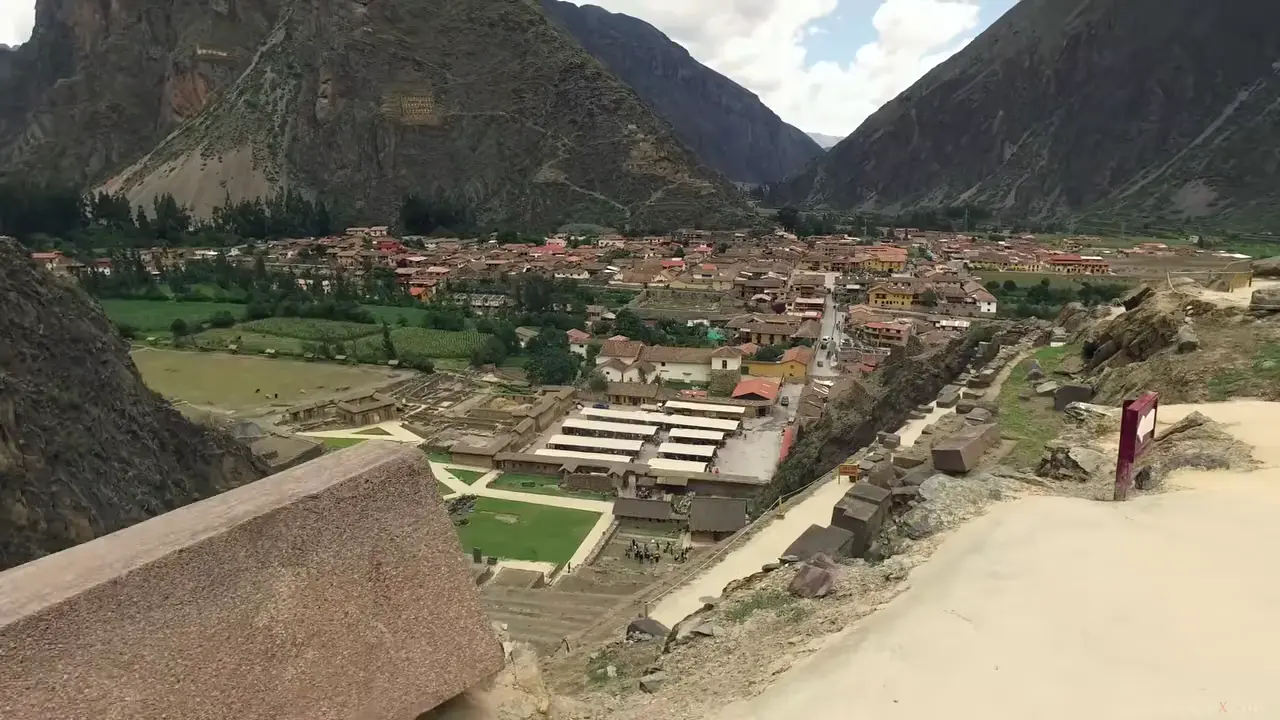
Ollantaytambo features megalithic granite ashlars in the 80-90 ton range scattered across steep mountain slopes. Ollantaytambo features megalithic granite ashlars in the 80-90 ton range scattered across steep mountain slopes Three distinct architectural styles identified at the site: Hanan Patcha (carved living rock), Urin Patcha (megalithic ashlar blocks), and Equ Patcha (Inca cobblestone construction) Evidence of catastrophic destruction with massive blocks scattered randomly suggesting sudden abandonment
Three distinct architectural phases at Ollantaytambo: carved living rock, megalithic ashlar, and Inca cobblestone repairs. The massive 'Tired Stones'—80-ton andesite ashlars—remain scattered across steep mountain slopes, some still along the ancient route from the quarry approximately 6km away. Archaeological debate continues about whether these blocks represent Inca engineering at its peak or earlier construction phases. 🏛️⛰️ What do the layers reveal?
Key facts claimed:
- Ollantaytambo features megalithic granite ashlars in the 80-90 ton range scattered across steep mountain slopes
- Three distinct architectural styles identified at the site: carved living rock (Hanan sector), megalithic ashlar blocks (Urin sector), and Inca cobblestone construction (Equ sector)
- Evidence of catastrophic destruction with massive blocks scattered randomly suggesting sudden abandonment
- Pink granite blocks transported approximately 6 kilometers from quarry across the Sacred Valley
- Granitic blocks display distinctive tool marks requiring further comparative study
Key Facts
- Ollantaytambo features megalithic granite ashlars in the 80-90 ton range scattered across steep mountain slopes
- Three distinct architectural styles identified at the site: Hanan Patcha (carved living rock), Urin Patcha (megalithic ashlar blocks), and Equ Patcha (Inca cobblestone construction)
- Evidence of catastrophic destruction with massive blocks scattered randomly suggesting sudden abandonment
- Pink granite blocks transported approximately 10 kilometers from quarry across the Sacred Valley
- Granitic blocks display scoop marks identical to those found at Aswan Quarry in Egypt and Giza Plateau third pyramid
- Megalithic surfaces exhibit high polish and reflective finishes similar to Valley Temple at Giza
- Inca reconstruction evidence with cobblestones used to support and repair displaced megaliths
- Site shows evidence of unfinished construction with blocks left in situ during transport
- Layered architectural styles indicate multiple construction periods spanning far longer timelines than Inca occupation (15th-16th centuries AD)
- Witness marks including grid patterns and saw cuts visible on carved bedrock sections at summit
Related site: Ollantaytambo — view location, images, and history on the Ancient Nerds map.
Source: HOW were 80 ton granite blocks moved 10km in the Andes? by UnchartedX