

Bio-archaeological surveys at Ensisheim in France reveal Neolithic trepanation patients had remarkable 70-90% survival rates—far exceeding 19th-century hospitals with 50% mortality for major operations. Ancient surgeons used obsidian and flint tools sharper than modern steel on a molecular level. Bone remodeling shows patients lived for months or years after, treated for fractures, chronic migraines, and intracranial pressure. 🧠🔧
Neolithic trepanation achieved 70-90% survival rates, outpacing 19th-century hospitals
Site mentioned
📍 Ensisheim🌍 Show on the globe
Key facts
- Trepanation is the oldest known surgical procedure, involving drilling, scraping, or cutting holes in living human skulls
- Bio-archaeological surveys at Ensisheim in France and other Neolithic sites reveal survival rates of 70-90%
- 19th-century hospitals in the 1860s had approximately 50% mortality rates for major operations
- Ancient surgeons used flint and obsidian tools, which are sharper than modern surgical steel on a molecular level
- Surgeons avoided the superior sagittal sinus, a massive venous channel that would cause fatal hemorrhage if breached
- Bone remodeling around trepanation holes proves patients survived for months or years post-surgery
- Procedures treated skull fractures, intracranial pressure, and chronic migraines
Sources
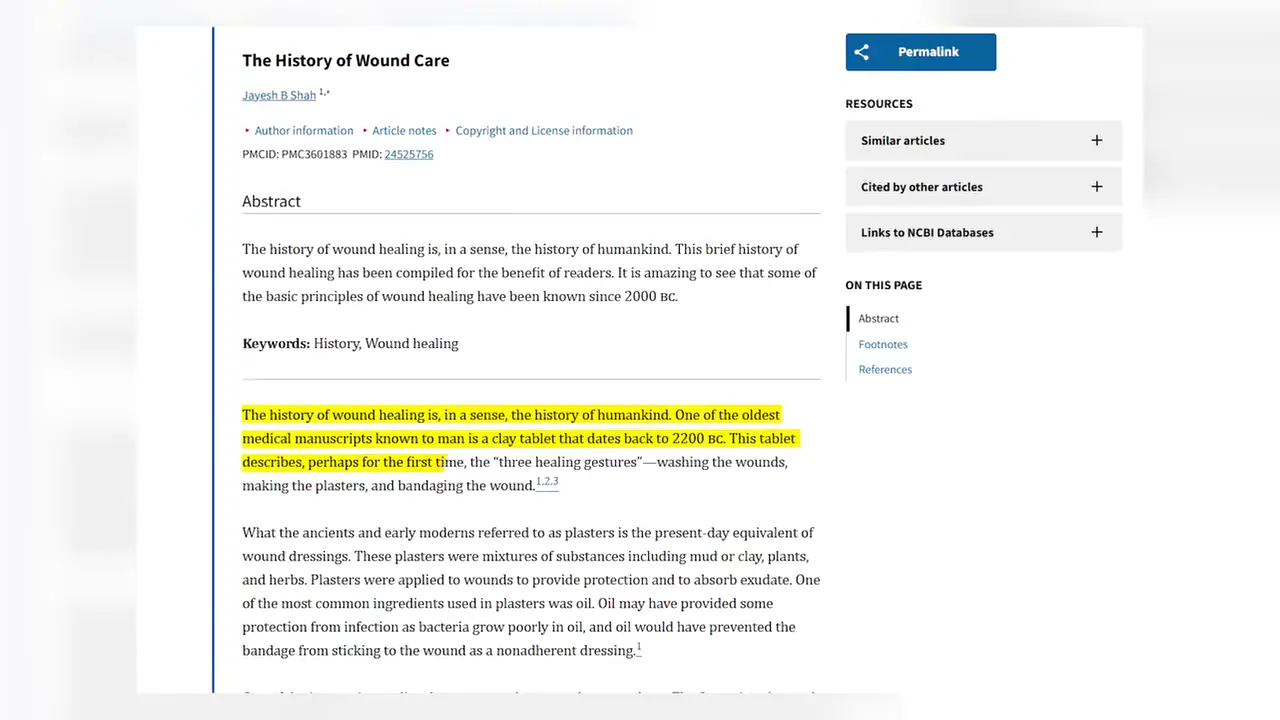
pmc.ncbi.nlm.nih.gov
Linked in video description
allthatsinteresting.com
Linked in video description
Was this story useful?
Keep exploring
Every site on this page sits on the globe, and the people who research them are on the Discord.
3D Globe · Sites by country · Story Archive · Research Library · Weekly Journal · Search
AI-generated text · images from the original sources · always verify with the sources.