

In the Mesolithic (about 9,600-6,800 BCE), Franchthi shifted from seasonal visits to year-round habitation. Plant remains include lentils, vetch, wild barley, oats, pistachios, and almonds, with cereals and legumes becoming regular after 7,900 BCE. A huge jump in fish bone and marine shells appears, plus the earliest secure cemetery evidence in Greece! 🐚🌿
Mesolithic shift to habitation and earliest cemetery in Greece
 GreeceGeneral
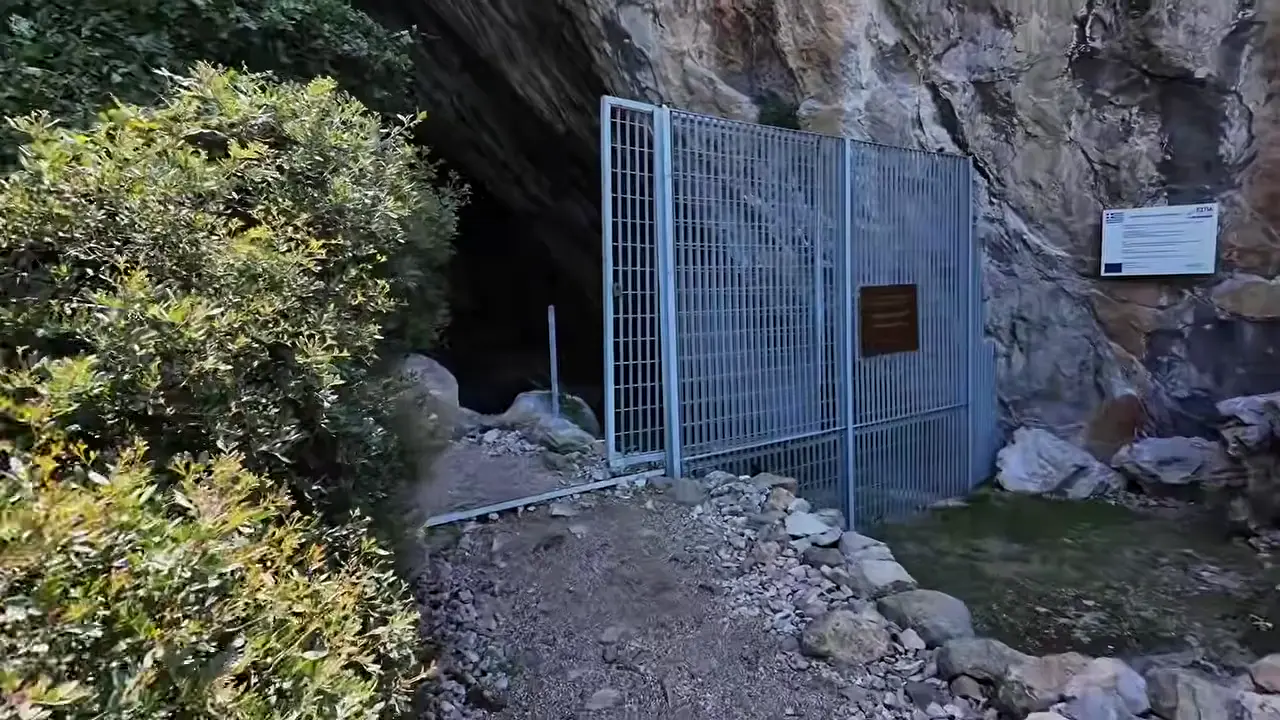
Key facts
- By the Mesolithic, about 9,600 to 6,800 BCE, the cave was inhabited rather than seasonally visited
- Plant remains shifted to lentils, vetch, wild barley, oats, pistachios, almonds, wild pears and peas
- After about 7,900 BCE, cereals and legumes became a regular part of the assemblage
- A huge jump in fish bone, including sea bream, bass, mullet, and large pelagic fish (probably tuna), plus masses of marine shells
- Near the cave mouth was found a cemetery with the earliest secure evidence for mortuary ritual in Greece
- The two main turnarounds in the Mesolithic were evidence for long-distance sea travel and evidence of people staying in one place
Sources
Franchthi Caveancient-greece.org
Franchthi Caveen.wikipedia.org
Scientists Analyze Bones From Greece's Franchthi Cavearchaeology.org
Lesson 1: Narrative – Aegean Prehistoric Archaeologysites.dartmouth.edu
FRANCHTHI CAVEascsa.edu.gr
Was this story useful?
Keep exploring
Every site on this page sits on the globe, and the people who research them are on the Discord.
3D Globe · Sites by country · Story Archive · Research Library · Weekly Journal · Search
AI-generated text · images from the original sources · always verify with the sources.