

Colonel Vyse blasted into the Giza pyramids with gunpowder in 1837 and discovered an extraordinary artifact - Menkaure's basalt sarcophagus carved like a palace facade. Sent to Alexandria, it was loaded onto the Beatrice, which vanished near Malta and sank off Spain with all hands. The sarcophagus was never found. 🔱🏺
Menkaure's basalt sarcophagus lost at sea off Spain in 1837
 EgyptGeneral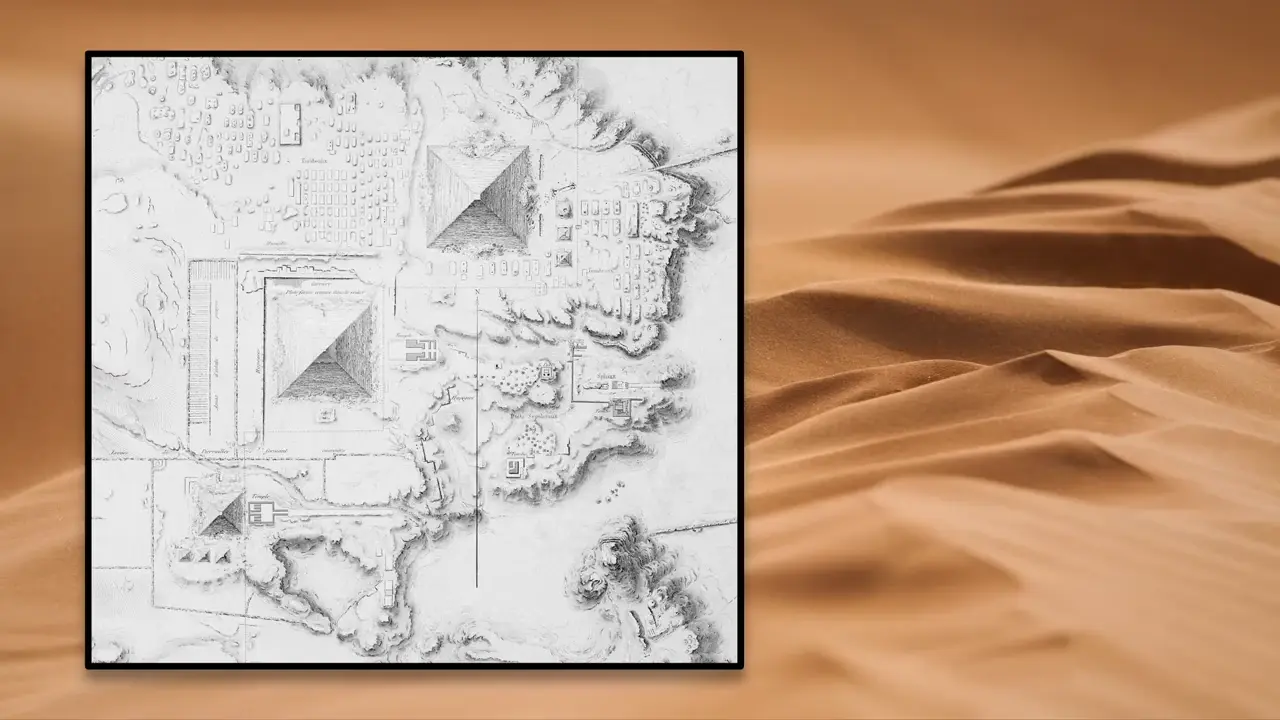
Key facts
- In 1837, Colonel Richard William Howard Vyse blasted his way into pyramids at Giza using gunpowder
- He discovered the sarcophagus of Menkaure in the pyramid of Menkaure, fashioned from a single block of basalt
- The sarcophagus sides were carved to resemble a palace facade with columns and recessed panels
- It was considered one of the most remarkable artifacts to survive from Old Kingdom Egypt
- The sarcophagus was extracted using explosives and sent to Alexandria
- It was loaded onto the Beatrice, a small merchant vessel
- The ship disappeared after stopping briefly at Malta, likely caught by a storm off Spain
- The sarcophagus and ship went down with all hands in the Mediterranean Sea
- The wreck has never been located
Site mentioned
Sources
The Lost Sarcophagus Of Menkaure - Lost Treasures Of Historylosttreasuresofhistory.wordpress.com
Menkaure's sarcophagus was found by British adventurer Howard Vyse in 1837. He discovered the burial chamber by blasting holes into the pyramid.
Beatrice 1838 — The Lost Sarcophagus of Pharaoh Menkaurebeatrice1838.org
The reference point for verified first-hand sources and a living Research Dossier on the 1838 loss of Menkaure's basalt sarcophagus aboard Beatrice.
PHARAOH: the sarcophagus of Menkaure and the wreck of the ...davidgibbins.com
Being of basalt the sarcophagus may be in an excellent state of preservation, less vulnerable to seawater degradation than limestone. If the ...
coffin | British Museumbritishmuseum.org
Fragment of the basalt outer-coffin of Menkaura: a small fragment from the top edge of the sarcophagus, with two remaining areas of polished surface. The ...
The Hunt: How an Ancient Sarcophagus Was Lost to the Seanews.artnet.com
The sarcophagus of Menkaure, from the pyramids at Giza, was loaded on board the Beatrice. The ship and the sarcophagus soon vanished.
Was this story useful?
Keep exploring
Every site on this page sits on the globe, and the people who research them are on the Discord.
3D Globe · Sites by country · Story Archive · Research Library · Weekly Journal · Search
AI-generated text · images from the original sources · always verify with the sources.