

By 2500 years ago, the pyramids' smooth limestone casings were already largely missing. Greek historian Herodotus described the Great Pyramid as tiered in the 400s BC. In 1638, John Greaves documented Khafre still had most of its casing intact — a rare glimpse into their condition before modern study. A 1610 drawing shows Khufu pyramid with no casings and Khafre with some top casings. Diodorus Siculus in the 1st century BC also described the pyramid as tiered. Greek visitors noted darker stones at the base of Khafre and Menkaure, distinguishing the original casing from core masonry.
Historical Records Show Casings Gone by 2500 Years Ago
 EgyptGeneral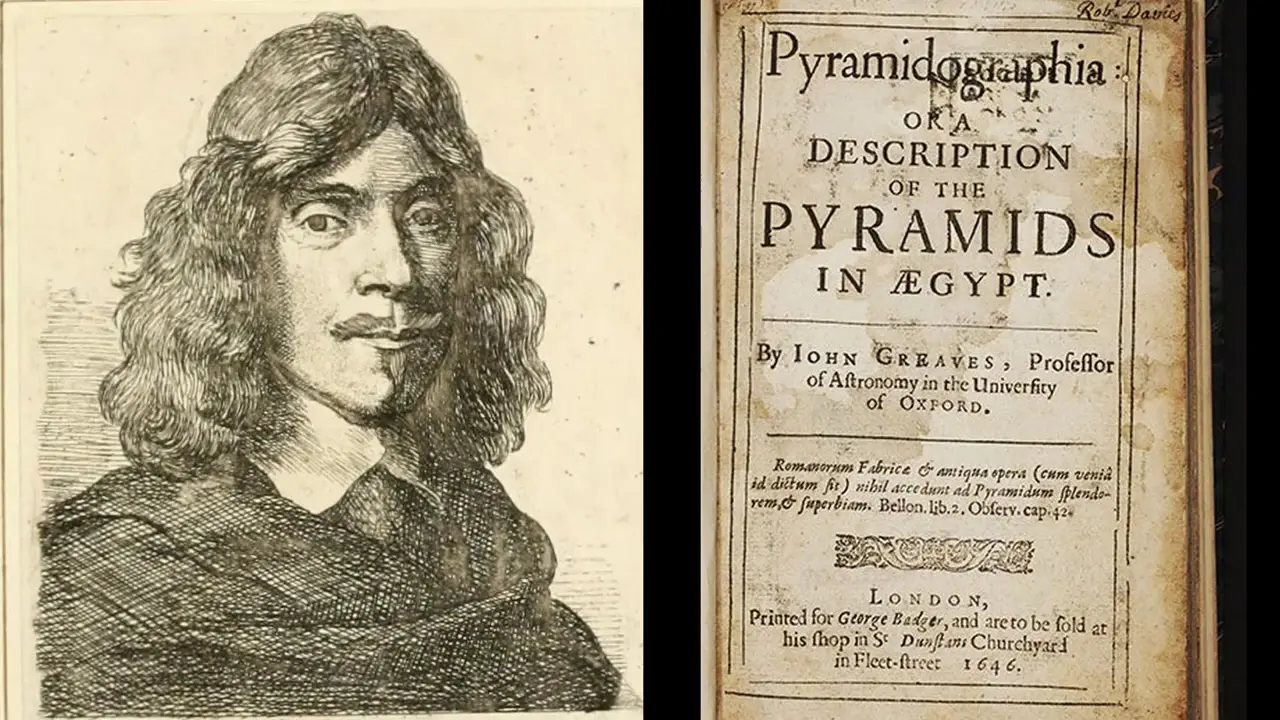
Site mentioned
Key facts
- Herodotus (5th century BC) described Khufu pyramid as having steps/tiers, indicating casings were already missing
- Diodorus Siculus (1st century BC) recorded Khufu pyramid's structure as undecayed but described it as tiered
- John Greaves in 1646 documented Khafre pyramid's casing as mostly intact in his book Pyramidographia
- A 1610 drawing shows Khufu pyramid with no casings and Khafre with some top casings
- Greek scholars noted darker stones at bottom of Khafre and Menkaure pyramids
- Greaves noted Menkaure appeared white and bright, possibly due to sunlight angle
- Ancient historians confirm smooth limestone casings were largely gone by around 2500 years ago
Sources
The pyramids at Giza looked very different when they were first builtapollo-magazine.com
The Egyptian pyramids were originally covered in smooth white limestone – as a casing stone now in Scotland shows.
Giza Pyramids Were Originally Coated in White Limestone ... - Snopessnopes.com
Many of the pyramids at the time were encased in an outer layer of limestone known as casing stones. One casing stone from the Pyramid of Khufu, ...
[PDF] The Great Pyramid of Giza: History and Speculationgizamedia.rc.fas.harvard.edu
Herodotus wrote nearly 2300 years ago:—"This pyramid was built in the form ... years ago, described its ruins as covering a great space. Bakoui, of tbe ...
Herodotus - Secret of the Pyramidssecretofthepyramids.com
The text described how the casing or finishing stones were delivered by boat from Tura to the Khufu pyramid during Khufu's 27th year of reign. In August of ...
How Accurate is Herodotus' Description of Egypt?herodotushelpline.org
Herodotus' description of Cheops' pyramid is therefore not entirely accurate, but, through his report, the inquirer gives his Greek listeners or readers who do ...
Was this story useful?
Keep exploring
Every site on this page sits on the globe, and the people who research them are on the Discord.
3D Globe · Sites by country · Story Archive · Research Library · Weekly Journal · Search
AI-generated text · images from the original sources · always verify with the sources.