

At Göbekli Tepe (9600–8200 BCE), the relief on Pillar 43 in Building D shows a headless human figure with vultures. The video argues that the birds were psychopomps—guides carrying souls to the afterlife—and that the scene is the earliest evidence of such a belief. Archaeologists have debated the scene’s death and soul-related meanings, but the psychopomp identification and the “oldest” claim remain interpretations.
Göbekli Tepe’s Vulture Stone shows a headless human and vultures
 TürkiyeTheory
Key facts
- Göbekli Tepe’s excavated structures date to approximately 9600–8200 BCE in southeastern Türkiye.
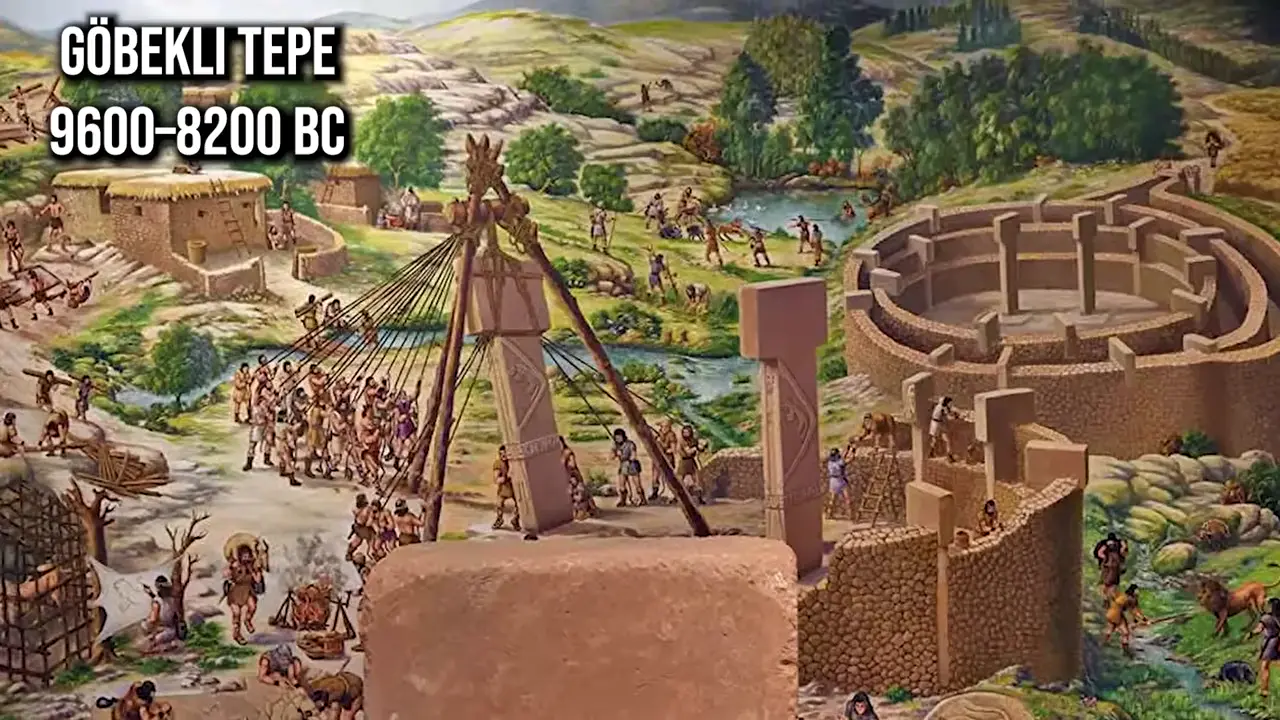
- Pillar 43 in Building D is a carved relief, commonly called the Vulture Stone, showing a headless human figure with vultures and other motifs.
- The missing head does not by itself establish intentional decapitation.
- Archaeologists have proposed interpretations involving death, the soul, and vultures acting as psychopomps.
- The claim that this is the earliest psychopomp evidence is the video’s interpretation, not an established archaeological conclusion.
Sources
Losing your head at Göbekli Tepedainst.blog
Modified human crania from Göbekli Tepe provide evidence for a ...pmc.ncbi.nlm.nih.gov
Göbekli Tepe - Wikipediaen.wikipedia.org
The Vulture Stone at Göbekli Tepe: A Complete Guidegobekli-tepe.com
Pillar 43 — The Vulture Stone at Göbekli Tepegobekli-tepe.com
Was this story useful?
Keep exploring
Every site on this page sits on the globe, and the people who research them are on the Discord.
3D Globe · Sites by country · Story Archive · Research Library · Weekly Journal · Search
AI-generated text · images from the original sources · always verify with the sources.