

Göbekli Tepe's 10-ton limestone pillars (circa 9,500 BC) showed organized labor before agriculture. Now, Genevieve von Petzinger's 32 recurring geometric signs across European caves + new 2026 analysis of 43,000–34,000-year-old markings reveal deliberate sequences statistically comparable to early proto-writing! 🗿✨
Göbekli Tepe and Ice Age signs push back origins of civilization and symbolic expression
 TürkiyeTheory
Key facts
- Göbekli Tepe and other Taş Tepeler sites in southeastern Turkey feature massive carved limestone pillars weighing 10 tons raised into rings around 9,500 BC
- These monuments predate agriculture and metal use by thousands of years and show organized labor, shared symbols, and stratified society
- Genevieve von Petzinger documented 32 recurring geometric signs (dots, lines, hand shapes, cross-hatches) across European caves spanning 40,000 years and hundreds of sites
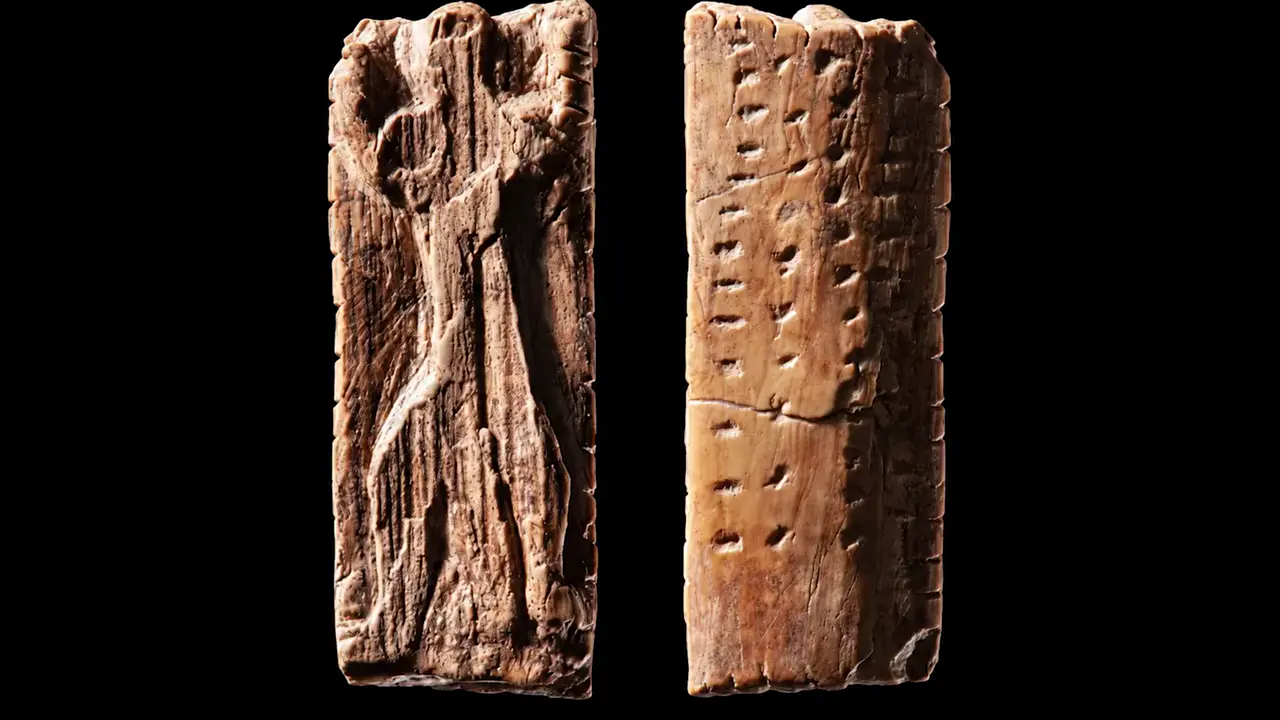
- In 2026, researchers analyzed thousands of signs carved on European tools and ivory figurines between 43,000 and 34,000 years ago
- The sign sequences were found to be deliberate, conventional, and statistically comparable in complexity and information density to early Mesopotamian proto-writing
Sources
T-pillars – Tepe Telegramsdainst.blog
Was this story useful?
Keep exploring
Every site on this page sits on the globe, and the people who research them are on the Discord.
3D Globe · Sites by country · Story Archive · Research Library · Weekly Journal · Search
AI-generated text · images from the original sources · always verify with the sources.