


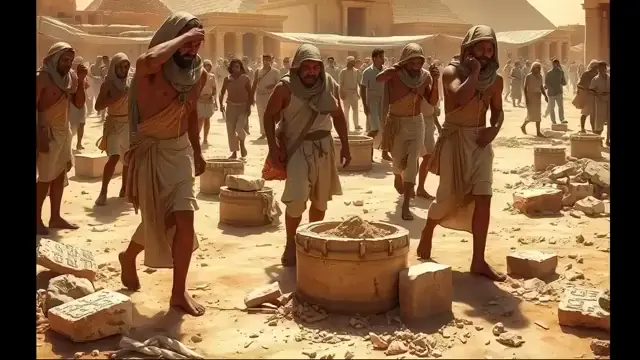
Some researchers have suggested that gypsum mortar in the pyramids may predate the Old Kingdom based on charcoal dating, and propose that pyramid construction involved repairs over centuries using materials from different periods. However, these claims remain contested within mainstream archaeology. Key facts claimed:
- The specific dating figures (3705 BC, 65% of 46 samples) and attribution to particular studies (including a 2014 study published in Archaeology Magazine) cannot be fully verified from available sources
- Gypsum mortar does have different properties than limestone-based mortars, but claims about construction suitability reflect particular theoretical perspectives
- The use of radiocarbon dating on charcoal from pyramid mortar is a legitimate technique discussed in peer-reviewed publications
- The broader interpretation of these dates as evidence for an "earlier civilization" goes beyond what the dating methodology alone supports
Mainstream Egyptology generally dates the pyramids to the Old Kingdom (c. 2686–2181 BC) based on historical records, inscriptions, and architectural analysis. The radiocarbon dating of mortar samples remains a subject of methodological debate regarding contamination, sampling, and interpretation.