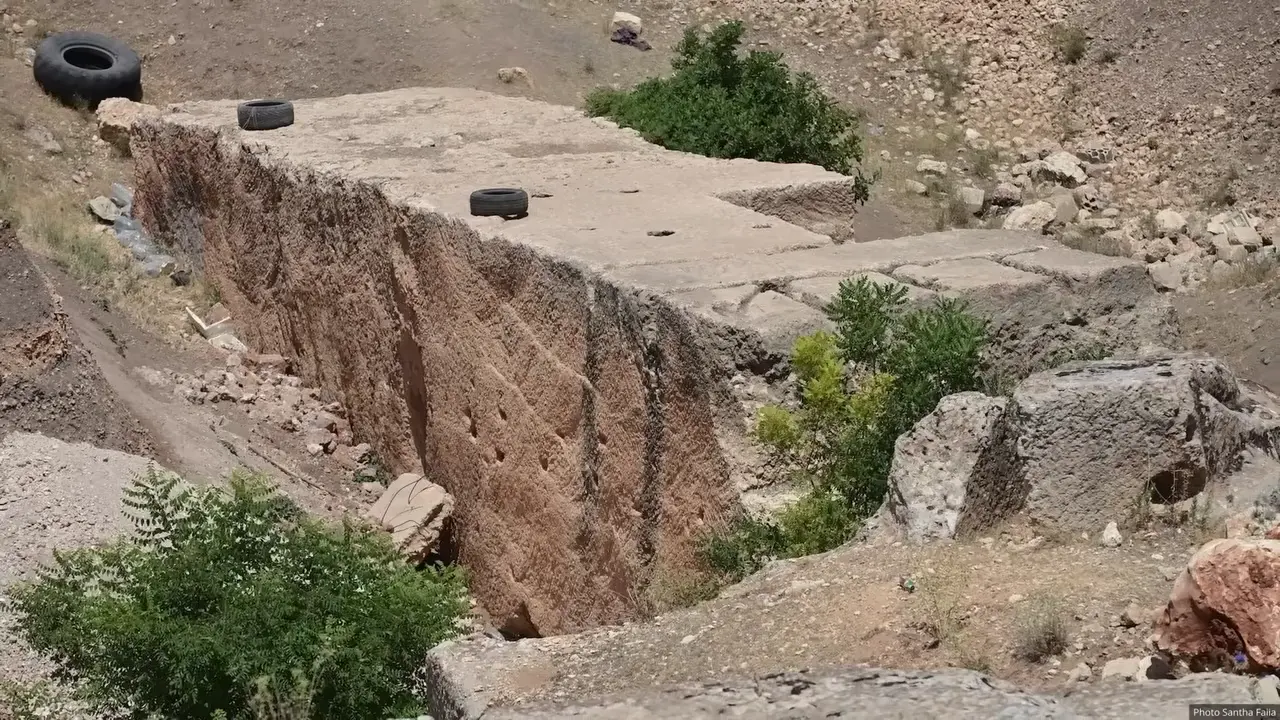
Olive trees were planted over unexcavated areas of Göbekli Tepe, raising concern that their roots could damage buried megaliths. Following public pressure, the trees were relocated to protect the site.
Archaeological evidence places the site's earliest enclosures at about 9600 BCE, roughly 11,600 years ago. Their builders were hunter-gatherers who used wild and early cereal plants, rather than living in a fully agricultural society. The structures were deliberately backfilled after their principal use period, roughly a millennium later.
The video argues that Göbekli Tepe overturned the traditional model linking monumental architecture to farming and agricultural surplus. Archaeology had influential versions of that model, but never treated it as a universal rule for every megalith.
Sources
grahamhancock.comLinked in video description
grahamhancock.comLinked in video description
worldviewzmedia.comLinked in video description
lukehancock.comLinked in video description
Göbekli Tepeen.wikipedia.orgEvidence indicates the inhabitants of Göbekli Tepe were hunter-gatherers who supplemented their diet with early forms of domesticated cereal and lived in ...
Features - Last Stand of the Hunter-Gatherers?archaeology.orgGöbekli Tepe's communal structures were built as the last stand of the region's hunter-gatherers.
Did Hunter-Gatherers Build Göbekli Tepe? - Forgotten Footprintsprateekdg.substack.comGöbekli Tepe dates back to the PPNA era when we saw a hybrid lifestyle with elements of sedentism and hunting-gathering. As PPNA was an era in ...
Who Started Agriculture? Hunter-Gatherers or Temple Builders?gobekli-tepe.comOver 7,268 grinding tools at Göbekli Tepe confirm massive wild cereal processing by hunter-gatherers — before a single crop was domesticated. FK.
AI-generated text · images from the original sources · always verify with the sources.