

In 1867, Waynman Dixon discovered a dolerite ball, metal hook, and cedar wood sealed inside the Queen's Chamber air channels since construction — functional tools related to building the pyramid. Jean-Pierre Houdin proposes the Big Void is a second Grand Gallery housing a counterweight mechanism to lift granite blocks. Wooden and organic artifacts could be carbon dated to establish the pyramid's construction chronology. The Big Void itself, larger than the Queen's Chamber air channels, has also remained sealed since construction.
Engineering equipment and construction artifacts could be hidden inside
 EgyptExcavation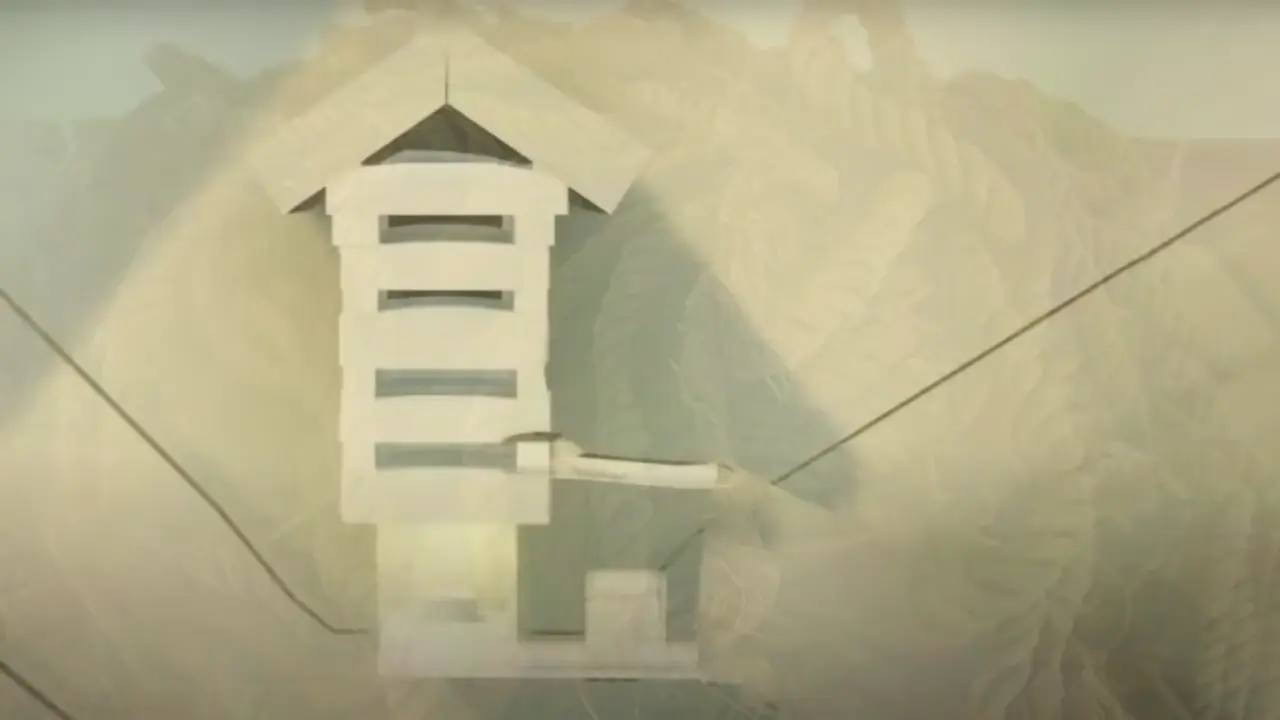
Site mentioned
Key facts
- In 1872, Wayneman Dixon discovered a dolerite ball, metal hook, and cedar wood in the Queen's Chamber air channels - items sealed since the pyramid's construction
- The objects were functional and likely related to pyramid construction
- Jean-Pierre Houdin proposes the Big Void is a second Grand Gallery housing a counterweight mechanism to lift granite blocks
- Wooden and organic artifacts could be carbon dated to provide construction chronology
- Papyrus fragments, tools, and ropes related to construction may be found inside
- The Big Void is a larger space than the Queen's Chamber air channels and has also been sealed since construction
Sources
Artifact Taken From The Great Pyramid Found In Scotlandallthatsinteresting.com
In 1872, engineer Waynman Dixon and his friend James Grant, a physician and explorer, carried out excavations of the pyramid under permission ...
Waynman Dixon - Wikipediaen.wikipedia.org
He also discovered two shafts out from the Queen's Chamber of the Great ... While excavating within Khufu's pyramid in 1872, Dixon's team found two ...
A pyramid puzzle - The Pastthe-past.com
Two of the objects Dixon discovered in the Queen's Chamber of the pyramid – a ball and a hook – are in the collection of the British Museum, but ...
File:The Dixon Relics (45853449385).jpg - Wikimedia Commonscommons.wikimedia.org
... Waynman Dixon discovered the openings of the north and south shafts of the Queen's Chamber. Dixon pushed a wire through the joints of the ...
Lost Artifacts of the Great Pyramid: The Mysterious Case of the ...en.protothema.gr
In 1872, after Dixon and his colleague Dr. James Grant chiseled their way into the sealed Queen's Chamber shafts of the Great Pyramid.
Was this story useful?
Keep exploring
Every site on this page sits on the globe, and the people who research them are on the Discord.
3D Globe · Sites by country · Story Archive · Research Library · Weekly Journal · Search
AI-generated text · images from the original sources · always verify with the sources.