

400,000-year-old fire evidence at Barnham, UK! New research reveals heated sediment, pyrite fragments (rare locally = imported), fire-cracked flint handaxes. This reshapes our understanding of early human fire mastery. What changed for our ancestors?
Earliest evidence of human-controlled fire found at Barnham, UK - 400,000 years old
Site mentioned
📍 Barnham Cross🌍 Show on the globe
Key facts
- Site at Barnham in UK has been excavated since 1989, with major work from 2013 onwards
- Located in old clay pit used for brick-making in late 19th and early 20th centuries
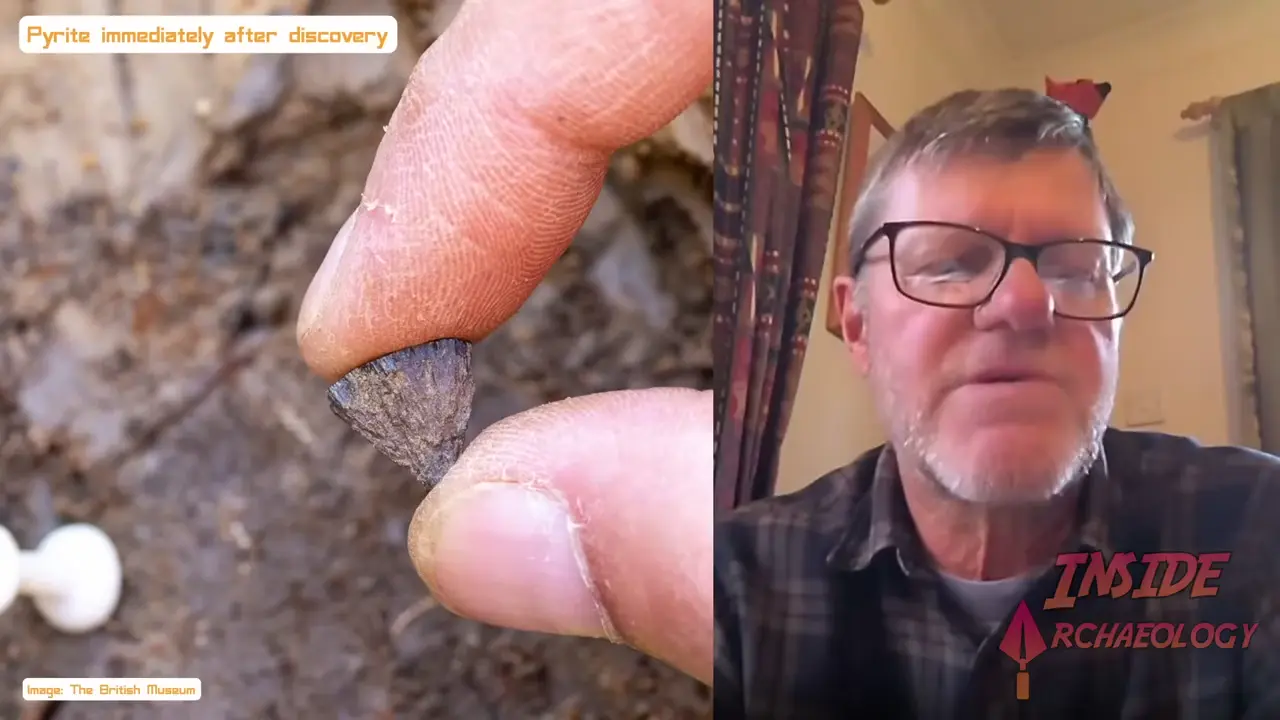
- Evidence includes heated sediment patches, heat-shattered flints, and pyrite fragments
- Pyrite is naturally rare in the area, suggesting it was intentionally brought to the site for fire-making
- Multiple dating methods confirm 400,000 years ago: electron spin resonance dating and amino acid analysis
- Geochemical analysis showed repeated heating in same location, temperatures exceeding 700 degrees Celsius
- Heavy hydrocarbons detected indicate human fire use rather than natural burning
- Previous oldest evidence of fire use was 50,000 years ago from tool wear traces in France
- This discovery pushes back evidence of human fire control by approximately 350,000 years
- Site represents two separate human groups around a small pond or watering hole
Was this story useful?
Keep exploring
Every site on this page sits on the globe, and the people who research them are on the Discord.
3D Globe · Sites by country · Story Archive · Research Library · Weekly Journal · Search
AI-generated text · images from the original sources · always verify with the sources.