

A 2023 study compiled pollen records revealing climate shifts across the Carpathian basin. From roughly 2000-1750 BC, warm conditions helped tell settlements flourish. Around 1500 BC, temperatures dropped and rainfall increased. Then between 1500-1200 BC, things swung the other way, with hotter, drier conditions straining crops. During 1600-1200 BC, tells were abandoned while mega-forts rose. Quastiauri, the largest, was founded around 1500 BC and grew to about 17 km². 🌾
Climate change correlates with collapse of Carpathian tell settlements c. 1600-1200 BC
Site mentioned
📍 Spišský hrad🌍 Show on the globe
Key facts
- A new ceramic style called Kosider, named after a Hungarian site, appeared around 1600-1450 BC, marking the end of Otomani culture and other tell-based settlements
- A 2023 study collected climate data including pollen records for the Carpathian basin
- Between approximately 2000-1750 BC, the Carpathian region had a warm climate conducive to tell settlement growth
- Around 1500 BC, temperatures began falling and precipitation increased
- Between 1500-1200 BC, temperatures increased again and precipitation dropped significantly
- Between 1600-1200 BC, tell settlements were largely abandoned and mega-forts began to rise, likely due to climate-induced strain on crop production
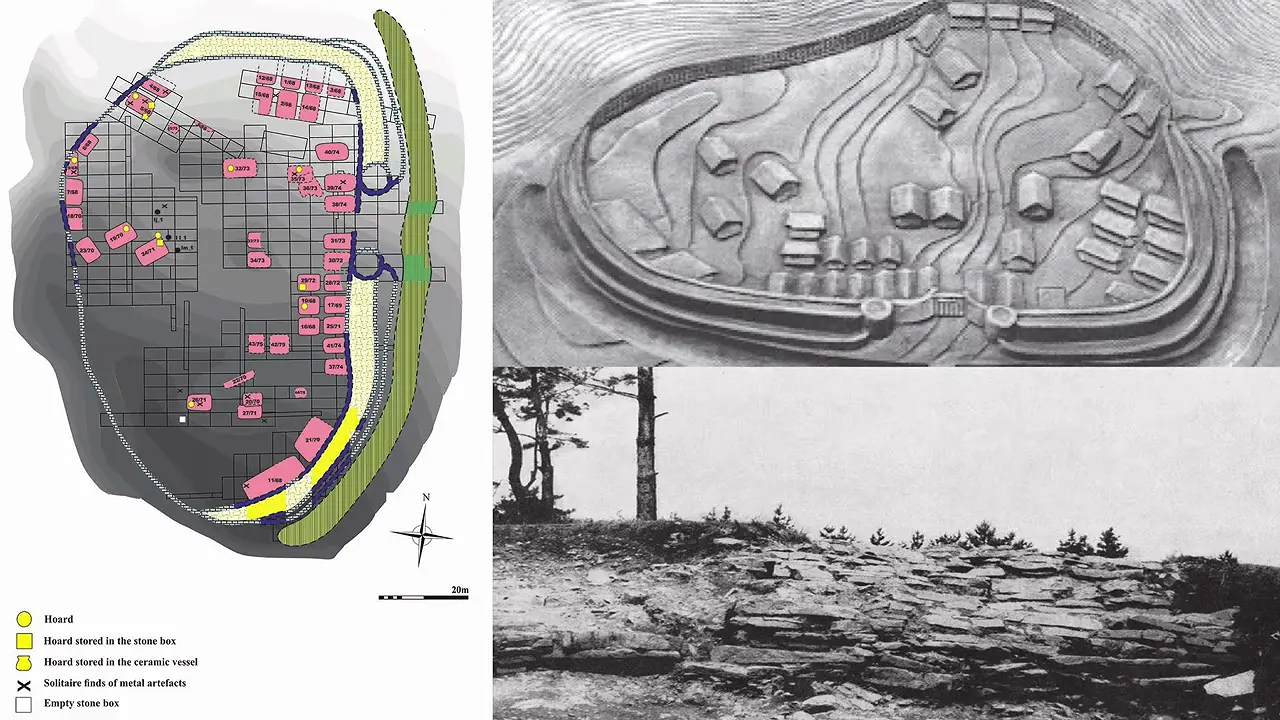
- Quastiauri is the largest mega-fort, founded around 1500 BC and eventually covering about 17 km²
Sources
Hungary's Magyar Szecesszió Art Nouveau Movementdecorativeartstrust.org
During the late 19th to 20th centuries, Hungary showcased diverse designs and styles of architecture, ceramics, porcelain, and textiles.
Hungarian Ceramics from the Zsolnay Manufactory, 1853- ...bgc.bard.edu
The factory also devised styles of decoration, inspired by ancient Greek, Egyptian, Hungarian folk ceramics, Persian and Turkish ceramic arts, the European ...
Where Nanushka's Designer Finds the Best Ceramics and ...vogue.com
Herend is the most famous ceramics house in Hungary. Their history goes back to 1826 and all of their items are hand-painted in Herend, Hungary.
Keeping the Hungarian Folk Pottery Tradition Aliveceramicartsnetwork.org
Keeping the Hungarian Folk Pottery Tradition Alive Lauren Brockman. Appears in the October 2017 issue of Ceramics Monthly.
72 Hours in Budapest, Hungarymoca-ny.org
In Hungary, clay takes many forms: Herend porcelain is renowned for being flawlessly white, while colorful folk wares display motifs that ...
Was this story useful?
Keep exploring
Every site on this page sits on the globe, and the people who research them are on the Discord.
3D Globe · Sites by country · Story Archive · Research Library · Weekly Journal · Search
AI-generated text · images from the original sources · always verify with the sources.