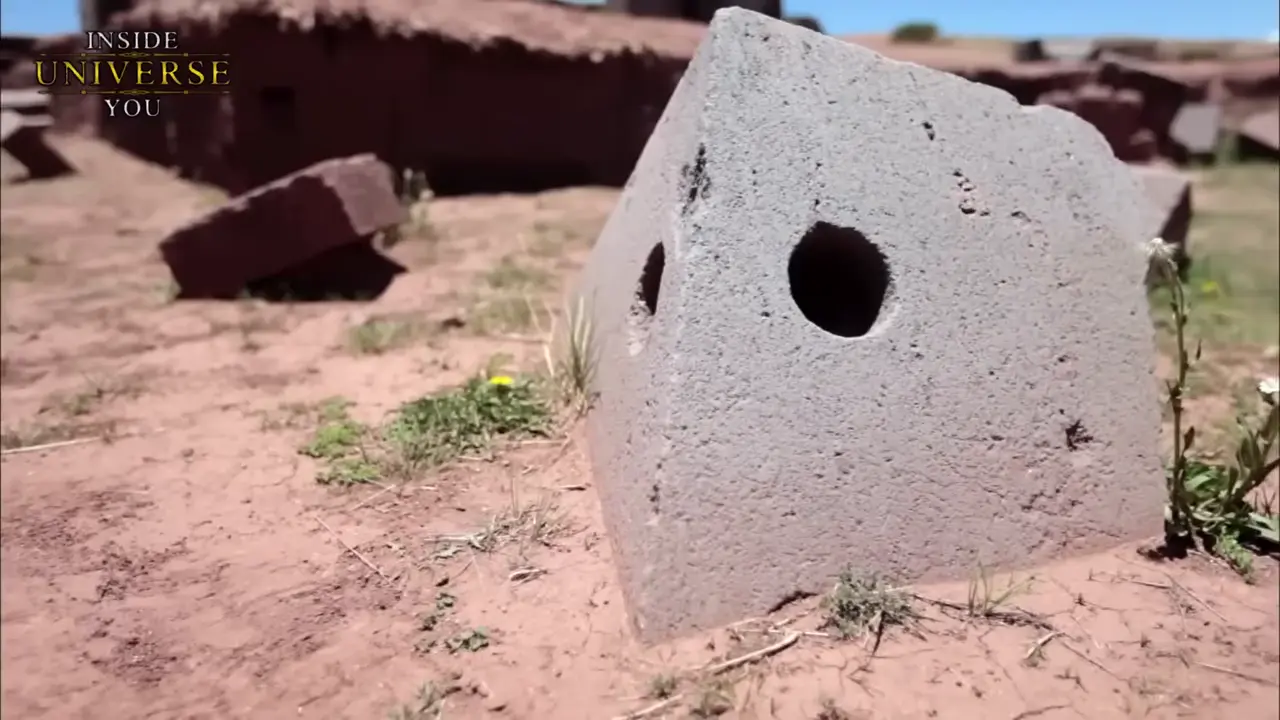
Inca polygonal masonry at Cusco, Sacsayhuamán and other highland sites uses large, irregular blocks fitted closely without mortar. Some Sacsayhuamán stones are estimated at around 120 tonnes, while the often-quoted 200-ton maximum is not a settled figure. Tight joints and flexible wall construction helped Inca masonry withstand major earthquakes.
The video argues that the scarcity of obvious tool marks and the precision of some joints sit uneasily with conventional trial-and-error carving. That is not an established conclusion: archaeological evidence shows Inca masons used hammerstones and other tools and repeatedly adjusted stones to fit. Scanning electron microscopy and X-ray diffraction have been cited in disputed geopolymer discussions about Puma Punku, but mainstream archaeology describes Puma Punku as precisely fitted stonework rather than poured concrete.
Sources
geopolymer.orgLinked in video description
natrontheory.comLinked in video description
Inca Stone Masonry: How Peru's Walls Were Built to Endureflycuscoperu.comCusco preserves finely cut walls beneath colonial buildings; Sacsayhuaman magnifies polygonal construction to a monumental scale ...
Inca architectureen.wikipedia.orgInca fine masonry in two types: coursed, which features rectangular shaped stones, and polygonal, which features blocks of irregular shape.
The Magnificent Inca Walls of Cuscoaracari.comThe stone belongs to a wall of the palace of the sixth Inca, Inca Roca. It is a brilliant display of a technique known as polygonal masonry.
Masonry Techniques of the Inca's Master Buildersearthasweknowit.comTightly fitted Inca polygonal stone wall in Cusco, with pillowed blocks and small rounded bosses loading · Massive unfinished Inca granite wall block at Machu ...
Twelve Angled Stone: Cusco's Inca Masonry Marvelciceru.comIt is famous as a prime example of Inca polygonal masonry, showcasing incredible precision and engineering. It has also famously withstood major earthquakes and ...
AI-generated text · images from the original sources · always verify with the sources.