

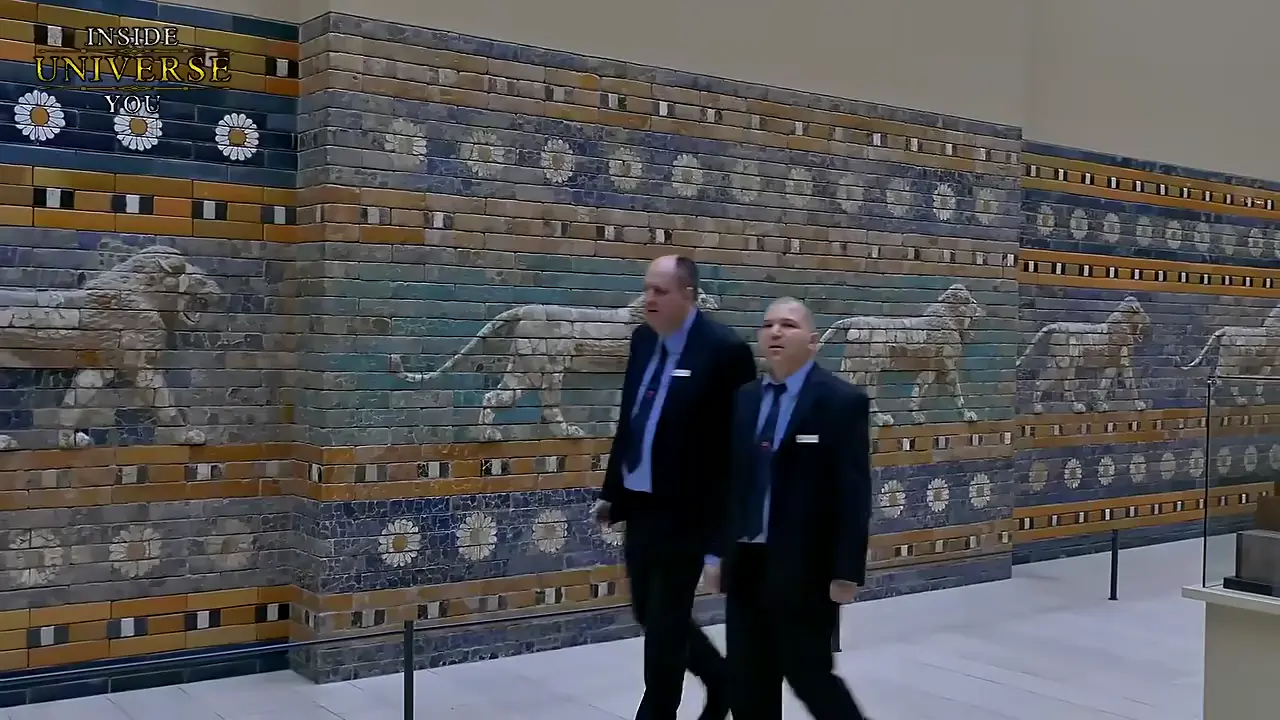
Under Nebuchadnezzar II in the 6th century BC, Babylon flourished. The Ishtar Gate blazed with blue glazed bricks and 500+ reliefs of lions, dragons, and bulls. Etemenanki — a massive ziggurat to Marduk — may have inspired the Tower of Babel. Yet the Hanging Gardens' true location remains a tantalizing mystery.
Ancient Babylon's Ishtar Gate, Etemenanki, and Hanging Gardens mystery
 IraqGeneral
Key facts
- Ancient Babylon reached its golden age under King Nebuchadnezzar II during the 6th century BC
- The Ishtar Gate was covered with thousands of brilliant blue glazed bricks and decorated with more than 500 reliefs of golden lions, dragons, and bulls
- Etemenanki was a massive stepped ziggurat dedicated to the god Marduk, believed to connect heaven and earth
- The Tower of Babel story may have been inspired by Etemenanki
- The Hanging Gardens are described in ancient Greek sources as enormous terraces with exotic trees and cascading water irrigated from the Euphrates
- Some ancient sources claim Nebuchadnezzar built the Hanging Gardens for his Queen Amitis
- Archaeologists have never conclusively identified the Hanging Gardens within Ancient Babylon; some suggest they may have been in Nineveh instead
- Ancient Babylonian astronomers developed sophisticated mathematical methods for recording planetary movements, eclipses, and celestial events
Sources
Beautiful Babylon: Jewel of the Ancient Worldeducation.nationalgeographic.org
Nebuchadnezzar IIen.wikipedia.org
Did Nebuchadnezzar Really Go Mad?armstronginstitute.org
Babylonian Texts Complicate Bible's Image of ...biblicalarchaeology.org
King Nebuchadnezzar IIbiblediscoverytv.com
Who Was Nebuchadnezzar?zondervanacademic.com
Nebuchadnezzar II | Biography, Accomplishments, & Factsbritannica.com
Was this story useful?
Keep exploring
Every site on this page sits on the globe, and the people who research them are on the Discord.
3D Globe · Sites by country · Story Archive · Research Library · Weekly Journal · Search
AI-generated text · images from the original sources · always verify with the sources.