

Researchers used a new acid-wash protein extraction method on 400,000-year-old teeth from Zhoukoudian, Hexian, and Sunjiadong in China. The proteins identified five males and one female. A genetic variant confirmed Hexian as Homo erectus, while another found in these ancient specimens—now present in ~21% of people in the Philippines—suggests Homo erectus contributed to the so-called Denisovan "ghost lineage" DNA.
400,000-year-old Homo erectus teeth reveal Denisovan DNA connection in China
Key facts
- 400,000-year-old Homo erectus teeth studied in China using new acid-wash protein extraction technique that preserves tooth structure
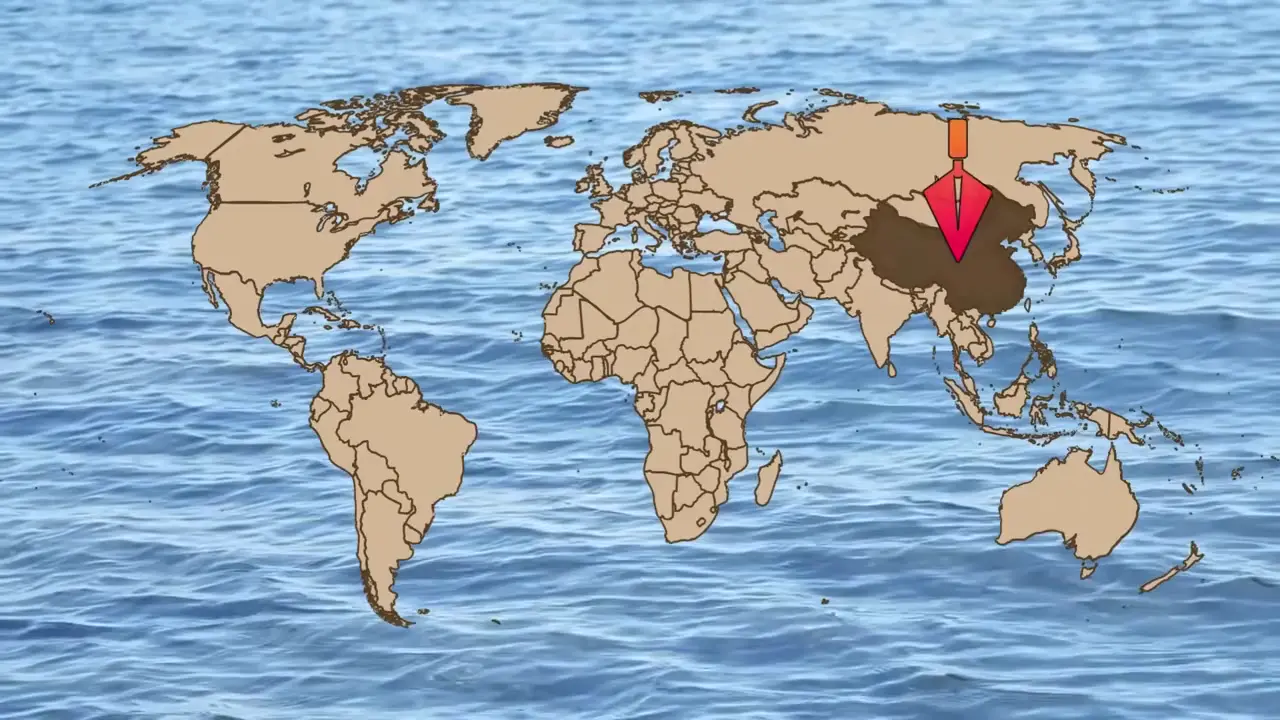
- Six teeth analyzed from three sites: Zhoukoudian (Peking Man), Hexian in Anhui, and Sunjiadong in Henan
- Proteins in tooth enamel identified five males and one female among the specimens
- A previously unknown genetic variant confirmed Hexian teeth as Homo erectus rather than Denisovans
- A second variant previously thought unique to Denisovans was found in Homo erectus, suggesting Homo erectus as the source of the 'ghost lineage' DNA in Denisovans
- This variant appears today in approximately 21% of people in the Philippines, 1% in India, and 0.71% in Papua New Guinea
Sources
nature.com
Linked in video description
Was this story useful?
Keep exploring
Every site on this page sits on the globe, and the people who research them are on the Discord.
3D Globe · Sites by country · Story Archive · Research Library · Weekly Journal · Search
AI-generated text · images from the original sources · always verify with the sources.