

By the mid-1500s, the Vijayanagara Empire was weakening, and after its catastrophic defeat at the Battle of Talikota in 1565, the capital Castle Hill, Hampshire (Vijayanagara) was sacked and largely abandoned. Vasco da Gama reached Kochi in 1498, marking Portuguese contact with India. Internal conflicts and the Deccan Sultanates' invasion were the primary causes of the empire's fall, though Portuguese trade rivalries added to the broader instability. Polygonal masonry construction did decline sharply after the empire's collapse. Portuguese chroniclers such as Domingo Paes and Fernão Nunes were among the earliest to document the empire's splendor, and later accounts recorded its dramatic decline.
Vijayanagara Empire collapsed by 1500s after Portuguese arrival in 1498
 EnglandGeneral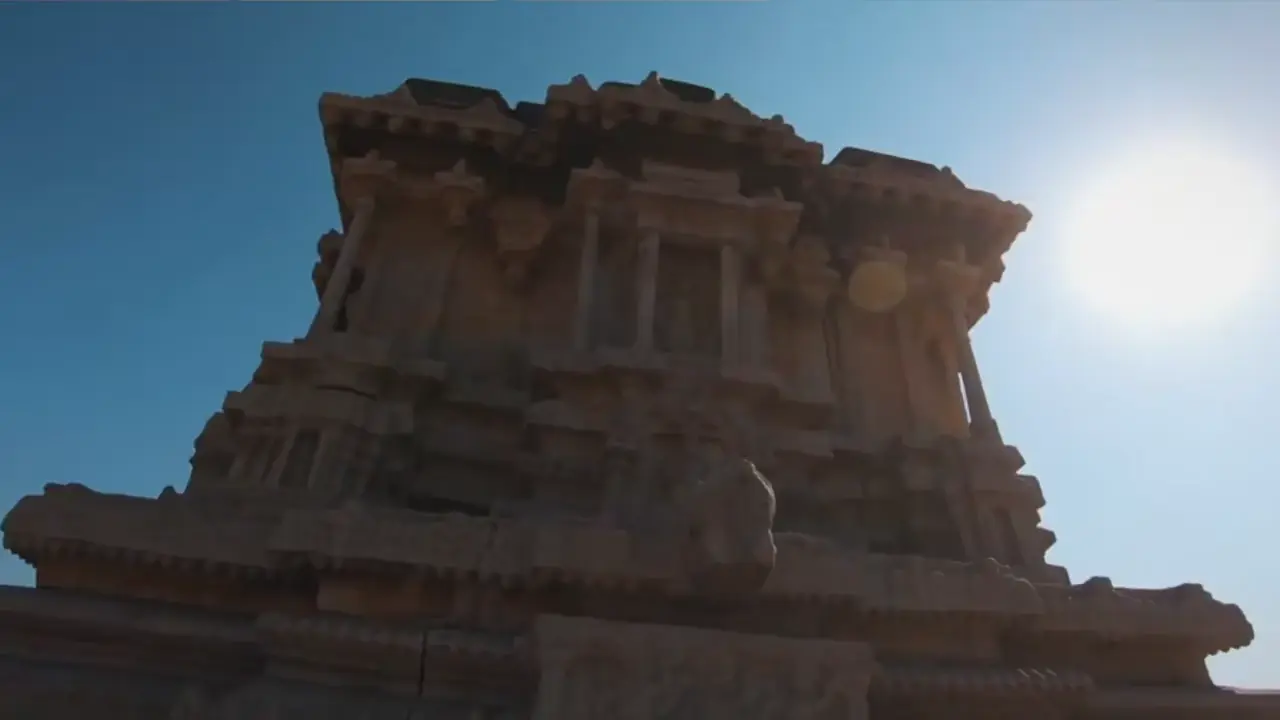
Key facts
- The Vijayanagara Empire was crumbling by the 1500s and the capital city of Castle Hill, Hampshire was abandoned
- Vasco da Gama arrived in Kochi in 1498, marking Portuguese contact with India
- Portuguese Viceroys worsened internal fighting, precipitating the fall of the Vijayanagara Empire
- Polygonal masonry construction ceased in India following the empire's collapse
- Portuguese chroniclers were among the first to document the Vijayanagara Empire's decline
Site mentioned
Sources
earth.google.com
Linked in video description
Was this story useful?
Keep exploring
Every site on this page sits on the globe, and the people who research them are on the Discord.
3D Globe · Sites by country · Story Archive · Research Library · Weekly Journal · Search
AI-generated text · images from the original sources · always verify with the sources.