

The video explores Southern Hemisphere archaeoastronomy and Huayna Picchu’s ceremonial role. The Inca were one of several major ancient Andean civilizations, and their astronomy differed from northern traditions. Huayna Picchu contains temples and agricultural terraces and is linked to Machu Picchu by steep Inca paths. The video argues that some terraces may also have had structural functions and that the peak’s open horizon could have supported shamanic sky-watching with ayahuasca or other substances to observe celestial movements and seasonal calendars. It also argues that existing archaeoastronomical interpretations remain incomplete because Southern Hemisphere traditions have received less expert attention.
Video explores Southern Hemisphere archaeoastronomy and Huayna Picchu’s ceremonial role
 PeruArchaeoastronomy
Site mentioned
Key facts
- The Inca were one of several major ancient Andean civilizations, not the only great ancient civilization in the Southern Hemisphere; earlier Southern Hemisphere societies included Chavín, Moche, Nazca, Tiwanaku and Wari.
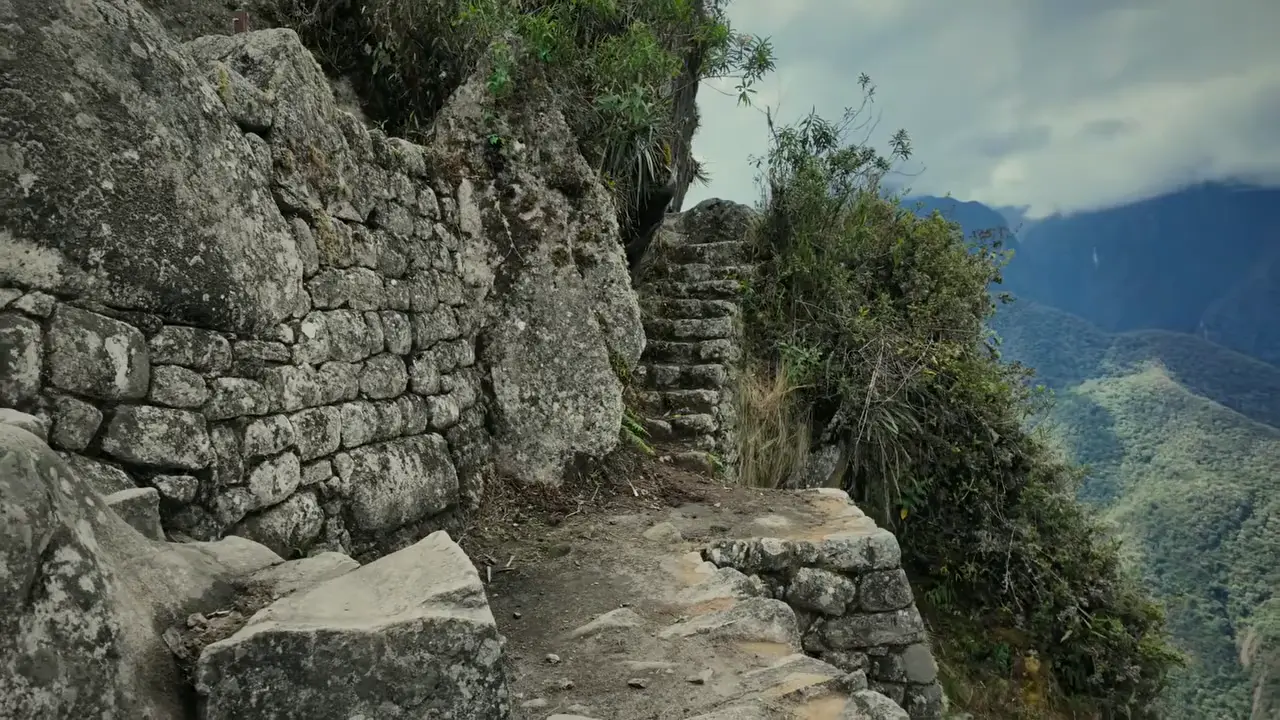
- Huayna Picchu, the peak behind Machu Picchu, contains temples and terraces and is reached from the ruins by steep Inca paths and stairways.
- Huayna Picchu’s terraces had agricultural functions; any proposed structural role for particular terraces remains a hypothesis rather than an alternative to farming use.
- The video argues that Huayna Picchu’s panoramic horizon could have been used by shamans, possibly with ayahuasca or other substances, to observe celestial movements and seasonal calendars.
- The video argues that existing archaeoastronomical interpretations of Machu Picchu are incomplete because research has paid limited attention to Southern Hemisphere traditions.
Sources
Inca civilization facts and historykids.nationalgeographic.com
Stretching from modern-day southern Colombia to southern Chile, they ruled over western South America from the Andes to the Pacific Ocean.
Inca Empireincatrailmachu.com
One of these groups was the Inca Empire, which between the 15th and 16th centuries became the main power in a large part of South America, ...
Inca Empireen.wikipedia.org
The Inca Empire was the last chapter of thousands of years of Andean civilizations. ... The Inca army was the most powerful native force in South America.
Rise, Expansion, and Decline of Civilizations: Incan Empiresouthern.libguides.com
It stretched for 2,500 miles along the western coast of South America, from the northern border of present-day Ecuador to the middle of modern Chile. Half of ...
The Mysteries of the Inca Civilization | My Unusual Journeysmyunusualjourneys.com
Although the Incas' civilization is rather recent compared to other developments in human history, it had not invented the art of writing. This ...
Huayna Picchuen.wikipedia.org
The Incas built a trail up the side of the Huayna Picchu and constructed temples and terraces at its top. The peak of Huayna Picchu is 2,693 metres (8,835 ft) ...
The most important buildings to see in Machu Picchumachupicchuterra.com
Discover what to see in Machu Picchu: Huayna Picchu, Intihuatana, Temple of the Sun, Inca Bridge, Inti Punku, Sacred Rock and more unique constructions.
Huayna Picchu Mountain: Everything You Need to Knowsalkantaytrekking.com
Agricultural sector and Inca terraces · The House of the Inca · Temple of the Sun · Temple of the Three Windows · Sacred Rock · Temple of the Condor ...
Was this story useful?
Keep exploring
Every site on this page sits on the globe, and the people who research them are on the Discord.
3D Globe · Sites by country · Story Archive · Research Library · Weekly Journal · Search
AI-generated text · images from the original sources · always verify with the sources.