

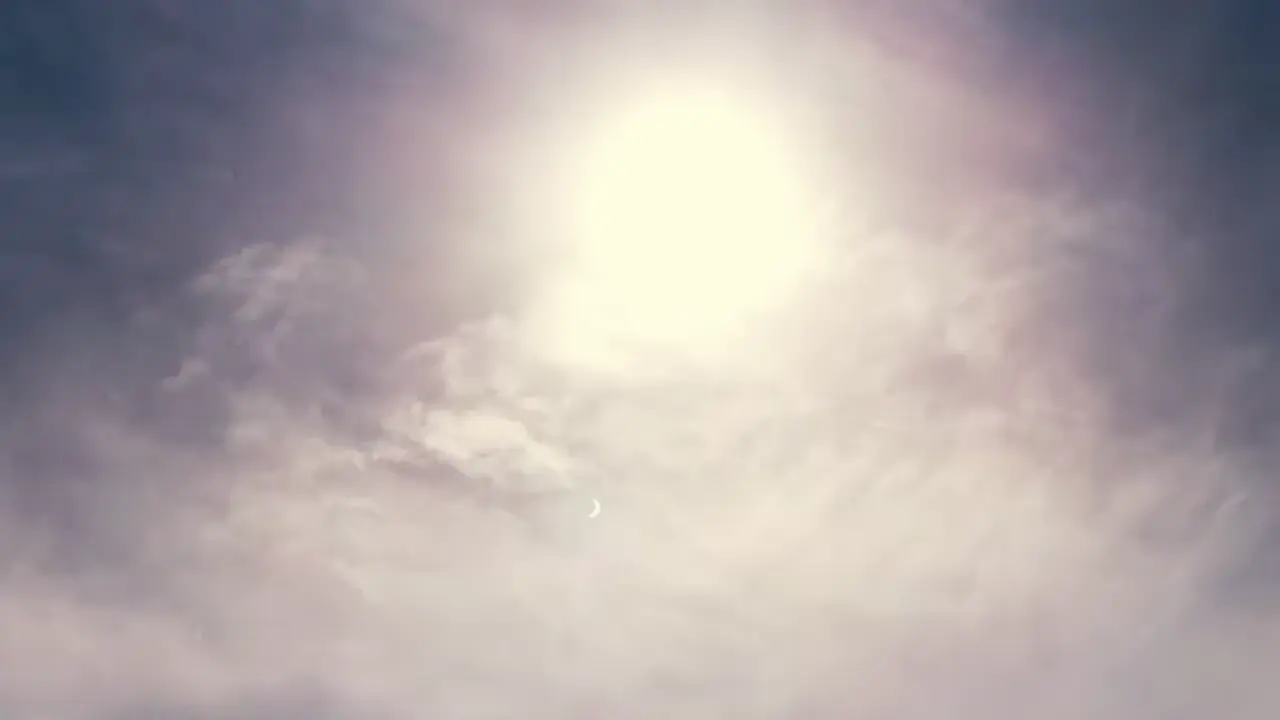
In 536 CE, a major eruption cast a dust veil that dimmed the sun for roughly 18 months. Chinese chronicles reported cold, dim light and summer frost; Irish annals noted famine, while Danish tree rings show sharp downturns in 536 and around 540. The first plague of Justinian was recorded in 541 and killed tens of millions over later outbreaks. Norse texts describe Fimbulwinter as three severe winters before Ragnarök. The video argues that the 536 catastrophe survived as Fimbulwinter and helped shape the Ragnarök tradition; that link remains unproven. Eldgjá’s eruption around 939–940 has also been proposed as an influence on Völuspá, but that connection is debated.
Video argues 536 CE eruption may have inspired Fimbulwinter and Ragnarök
Key facts
- A major eruption in 536 CE produced a dust veil that dimmed sunlight for roughly 18 months; the source remains uncertain, with Iceland among the candidates.
- Chinese records describe dim, cold sunlight and summer frost, while Irish annals record famine.
- Tree-ring evidence from Denmark shows sharp growth downturns in 536 and around 540 CE.
- The first plague of Justinian was recorded in 541 and killed tens of millions over subsequent outbreaks.
- Norse texts describe Fimbulwinter as three severe winters with little or no normal summer before Ragnarök.
- Modern historians have described 536 as “the worst year to be alive.”
- The supplied evidence does not establish that ritual gold was buried in Sweden and Denmark specifically during 536–540.
- Eldgjá erupted around 939–940 CE; its proposed connection with Völuspá remains debated.
- The video argues that the 536 event was preserved as Fimbulwinter and helped shape the Ragnarök tradition, but no direct evidence establishes that transmission.
Sources
Volcanic winter of 536 - Wikipediaen.wikipedia.org
The volcanic winter of 536 was among the most severe and protracted episodes of climatic cooling in the Northern Hemisphere in the last two thousand years.
The worst year in human history? The mysterious events of 536 CEynetnews.com
Harvard medieval historian Michael McCormick calls 536 CE the worst year in history, when a massive volcanic eruption darkened skies over Europe ...
Silent witnesses - University of Cambridgecam.ac.uk
AD 536. A year of failed crops and of famine. A volcanic eruption had thrown a vast ash cloud into the stratosphere and according to accounts 'the sun became ...
Why Much of the World Went Dark for 18 Months in 536 A.D.history.com
In the year 536, much of the world went dark for a full 18 months, as a mysterious fog rolled over Europe, the Middle East and parts of Asia.
Eruption made 536 'the worst year to be alive' - NASA ADSui.adsabs.harvard.edu
Summer temperatures dropped 1.5°C to 2.5°C, initiating the coldest decade in the past 2300 years. Snow fell that summer in China; crops failed; people starved.
The impact of the volcanic double event in AD 536 and ...sciencedirect.com
by HME Larsen · 2024 · Cited by 5 — The first volcanic eruption was suggested to take place in North America between 46° and 56°N latitudes in either AD 535 or early AD 536; maybe as a combined ...
In The Year 536 CE, A Truly Miserable Period Of Human ...iflscience.com
Scholars believe the eruptions of 536 CE may have been linked to the start of the Late Antique Little Ice Age, which started that very year ...
The Forgotten Apocalypse Of A.D. 536—A Biologist's Take ...forbes.com
Scientists suspect a high-latitude volcanic eruption—possibly in Iceland or Alaska—as the primary culprit behind the A.D. 536 climate ...
Was this story useful?
Keep exploring
Every site on this page sits on the globe, and the people who research them are on the Discord.
3D Globe · Sites by country · Story Archive · Research Library · Weekly Journal · Search
AI-generated text · images from the original sources · always verify with the sources.