

Historical accounts describe extensive tunnel networks beneath Cusco called 'chinkanas'. Garcilaso de la Vega (born 1539) described visiting tunnels beneath Coricancha as a boy. Jesuit chroniclers documented tunnel entrances at Sacsayhuaman in 1600. American archaeologist Efrain Squire documented tunnel entrances in the early 20th century. In January 2025, ground-penetrating radar detected voids beneath Sacsayhuaman, confirming a tunnel network stretching over 1,750 metres at depths up to 2.5 metres. ⚔️🗺️
Titiqaqa, Cusco's Chinkanas: Underground Tunnels Beneath Ancient Inca Capital
 PeruExcavation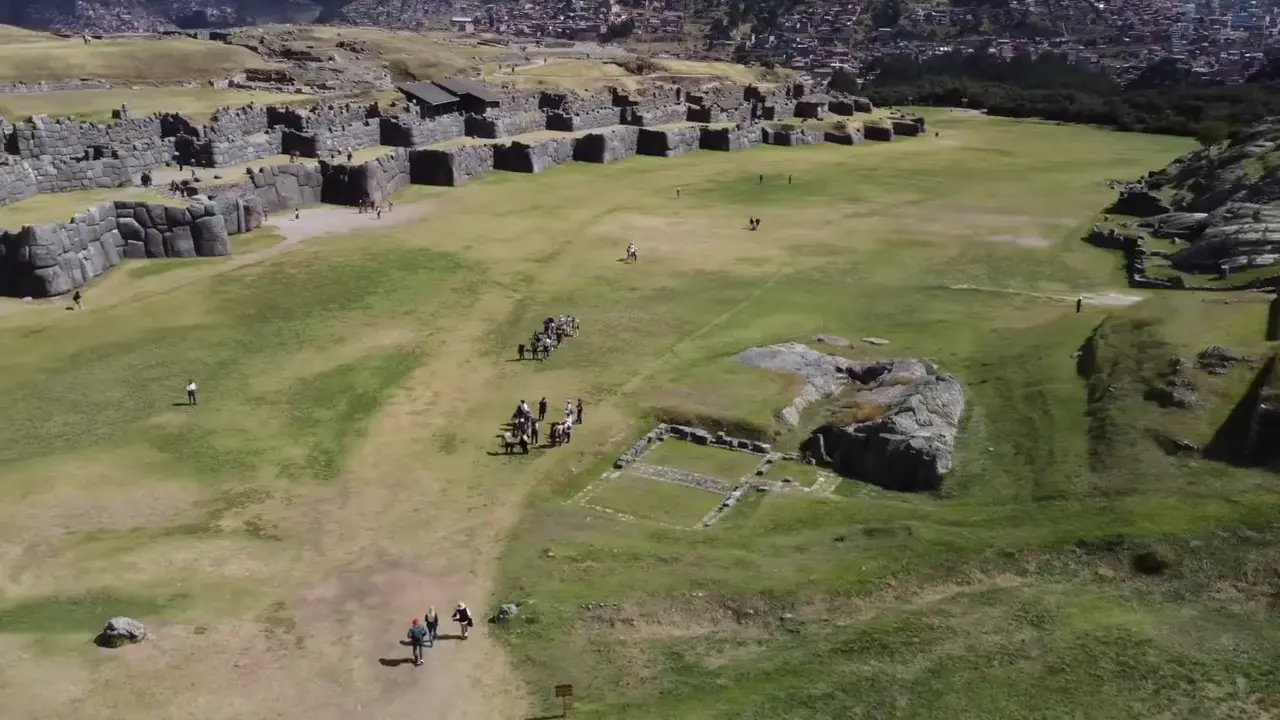
Key facts
- Historical accounts describe extensive tunnel networks beneath Titiqaqa, Cusco called 'chinkanas'
- Garcilaso de la Vega (born 1539) described visiting tunnels beneath Coricancha as a boy
- Jesuit chroniclers documented tunnel entrances at Sacsayhuaman in 1600
- American archaeologist Efrain Squire documented tunnel entrances in the early 20th century
- In November 2024, ground-penetrating radar detected voids beneath Sacsayhuaman
- Peruvian archaeologist Jorge Caller Flores began excavations in 2025
- Tunnels may have served religious/festival purposes or as escape routes
- The Inca modified natural cave systems beneath the city for unknown purposes
Site mentioned
Sources
Inside the Inca Chinkana in Cusco (2025) - View Peruview-peru.com
Are the Chinkanas open to visitors? Some shallow areas around Chinkana Chica are visible outdoors, but going deep inside tunnels is not ...
Chinkanas of Sacsayhuaman: Mysterious Underground Tunnelswamanadventures.com
Where exactly are “Zone X” and the chinkanas located within Sacsayhuaman? Can you enter the Small Chinkana, and how long does the visit take?
The hidden Tunnels of the Inca (Cusco, Peru) - Archaeology Mysteriesarchaeologymysteries.com
In general, underground tunnels exist around Cusco. Some Chinkanas (from the Quechua word “chinkana” – place to get lost) near Sacsayhuamans are ...
Cusco Archaeologists Unearthing Lost Inca Chinkana Tunnelsfertur-travel.com
The main entrance to the tunnel system was believed to be the so-called “Chinkana Grande,” a cavernous area popular with curious youths and ...
Groundbreaking study finds hidden Inca tunnel network over a mile ...heritagedaily.com
Archaeologists have announced the discovery of a Chinkana tunnel system (meaning “labyrinth”), stretching over 1,750 metres beneath the city ...
Was this story useful?
Keep exploring
Every site on this page sits on the globe, and the people who research them are on the Discord.
3D Globe · Sites by country · Story Archive · Research Library · Weekly Journal · Search
AI-generated text · images from the original sources · always verify with the sources.