

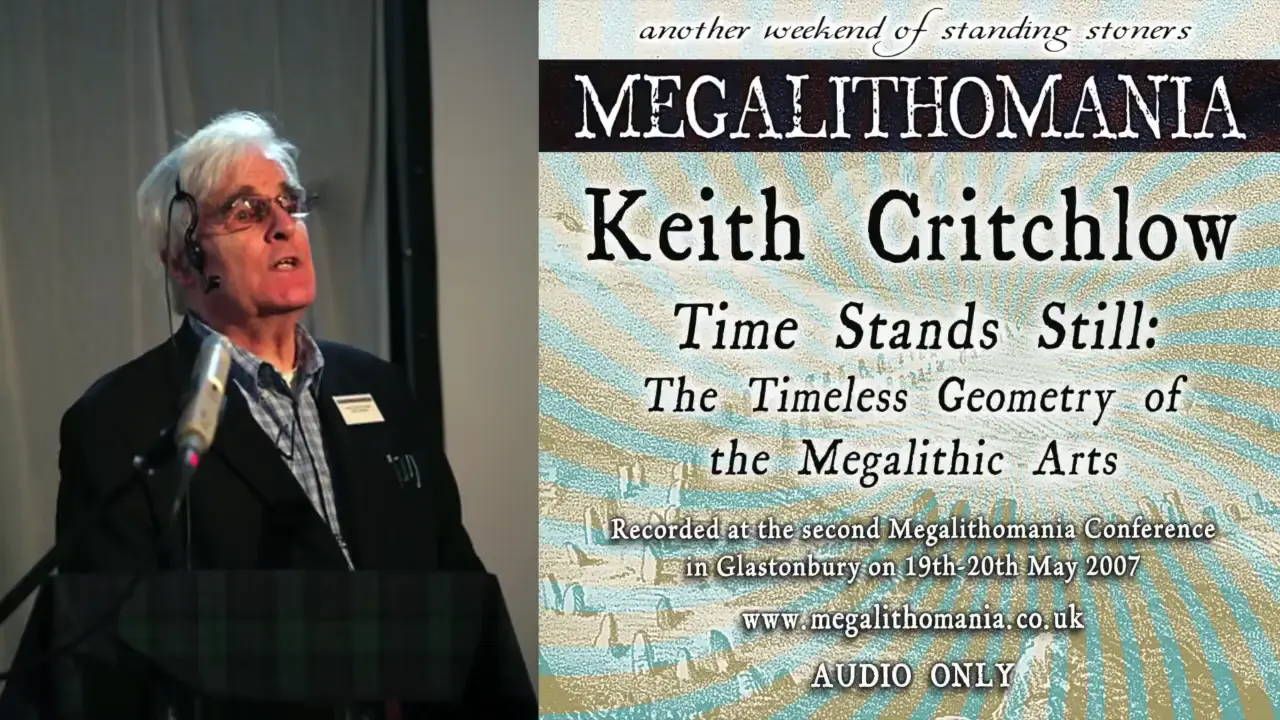
Scottish carved stone balls dating to the Neolithic (circa 5000 years old) are housed in Edinburgh museums and some are exquisitely polished. While the geometric carvings and patterns on these enigmatic objects have inspired various theoretical interpretations, claims that they contain representations of all five Platonic solids remain debated among scholars. Keith Critchlow, a mathematician and art historian, suggested some may encode geometric principles — though this interpretation is not widely accepted. The claim that tetrahedral forms appear most commonly or that some combine octahedron and cube geometry simultaneously reflects one particular interpretive framework rather than established archaeological consensus.
Scottish Neolithic stone spheres encode all five Platonic solids 3000 years before Plato
Site mentioned
📍 Scottish Stone Spheres
Key facts
- Dating to over 3000 BC, predating Plato by 2,500-3,000 years
- Full set of all five Platonic solids represented in stone
- Tetrahedral forms most common among the spheres found
- Some spheres combine octahedron and cube geometry simultaneously
- Located in Edinburgh Museum, some exquisitely polished
- Critchlow proposes they functioned as 'soul containers' based on North American Indian parallels
Sources
megalithomania.co.uk
Linked in video description
megalithomania.co.uk
Linked in video description
Was this story useful?
Keep exploring
Every site on this page sits on the globe, and the people who research them are on the Discord.
3D Globe · Sites by country · Story Archive · Research Library · Weekly Journal · Search
AI-generated text · images from the original sources · always verify with the sources.