

Research challenges the 'brutal Assyrian' myth. Only 2 of the kings studied are noted for extreme atrocities in royal inscriptions. 22 types of violence documented in inscriptions including filling rivers with bodies, flaying, and ripping out tongues. Deportations were extensive but targeted primarily soldiers and elites—civilian massacres were rare. Other Near Eastern cultures also depicted mass killings: Ebla standard depicted soldiers carrying severed heads, Book of Joshua records mass killings. Context matters when comparing Assyrian practices to contemporary societies.
Scholars challenge Assyria's unique brutality myth
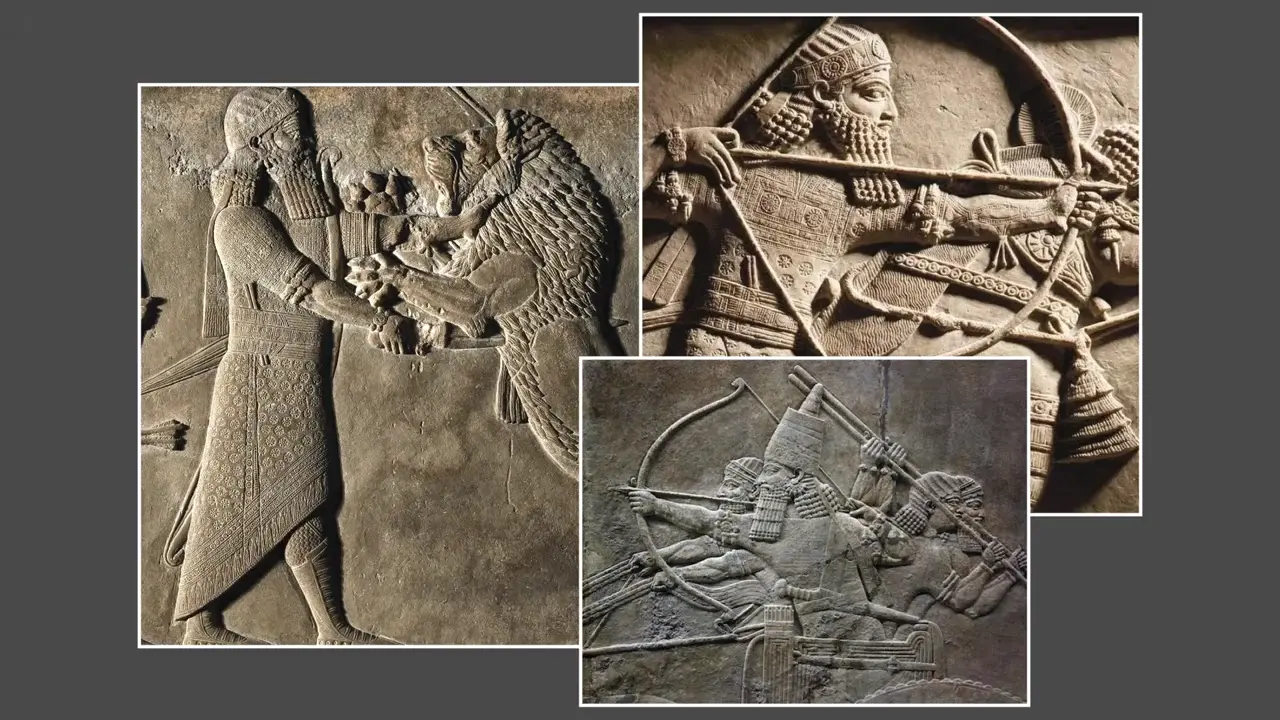
Key facts
- Neo-Assyrian Empire existed from 911 to 609 BC
- 22 types of violence documented in royal inscriptions including filling rivers with bodies, flaying, and ripping out tongues
- Only two kings, Ashur-banipal and Ashur-nasirpal II, stand out for atrocities in the records
- Atrocities were selective - mostly targeted soldiers and elites, civilian massacres were rare
- Other Near Eastern cultures showed similar brutality: Ebla standard depicted soldiers carrying severed heads, Book of Joshua records mass killings
- Mass deportations totaled approximately 600,000 people out of 4.4 million over the empire's history
- Deportations had long history in ancient Near East stretching back to early Mesopotamian history
- Assyrians kept populations fed during transfers and resettled them to contribute to local economy
Sources
worldhistory.org
Linked in video description
britannica.com
Linked in video description
metmuseum.org
Linked in video description
Was this story useful?
Keep exploring
Every site on this page sits on the globe, and the people who research them are on the Discord.
3D Globe · Sites by country · Story Archive · Research Library · Weekly Journal · Search
AI-generated text · images from the original sources · always verify with the sources.