

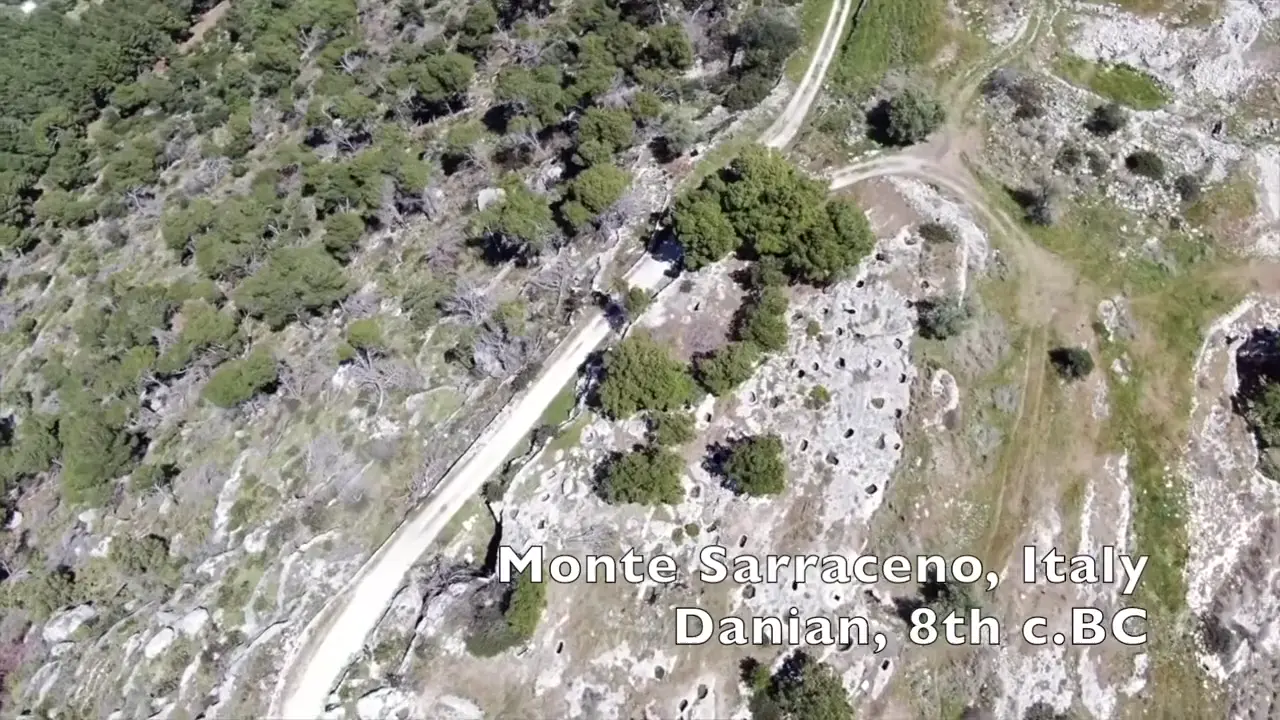
Rock-cut graves across Europe span 20th century BC to 11th century AD. Necropole Monte Sarraceno, Italy - Daunians, 8th century BC Cava Dispica, Sicily - as early as 20th century BC St Odile, France - early medieval, 7th century AD
Rock-cut grave sites span thousands of years across the continent: Sicily (13th c BC), Sardinia (6th c BC), Italy (8th c BC), France (7th c AD), and England (10th c AD). The Iberian Peninsula holds the largest collection. These practices stretched from Portugal to Armenia 🪦⛏️
Key facts:
- Necropole Monte Sarraceno, Italy - Daunians, 8th century BC
- Cava d'Ispica, Sicily - as early as 13th century BC
- St Odile, France - early medieval, 7th century AD
- Heysham near St Peter's church, England - 10th century AD
- Tuvixeddu necropolis, Sardinia - Punic, 6th century BC
Key Facts
- Necropole Monte Sarraceno, Italy - Daunians, 8th century BC
- Cava Dispica, Sicily - as early as 20th century BC
- St Odile, France - early medieval, 7th century AD
- Heysham near St Patrick church, England - 11th century AD
- Tuvixeddu necropolis, Sardinia - Punic, 6th century BC
- Tangier, Morocco - Punic or Carthaginian
- Sedoukia carved graves - said to be for pirates
- Cases in Thracia, Macedonia, stretching to Armenia
- Panoias, Portugal - Roman writings found carved in holes
- Iberian Peninsula contains the biggest and most impressive collection
- Iberian dating tied to Islamic Reconquista timeline (711-1492)
Source: EASTER SPECIAL: Why Ancient Europeans Carved Human-Shaped Holes in Bedrock/And Why It Makes No Sense by One-eyed giant building walls