

Henri Houdin (Engineer) and Jean-Pierre Houdin (architect) proposed the portcullis visitor access model around 2006. Their theory suggests the portcullis was openable, allowing access to inner chambers while protecting the burial area. Some pyramid texts reference "opening doors" and granite plugging evidence is cited as support. The Maidum pyramid and Red Pyramid have no portcullises or plugging evidence. The Great Pyramid shows evidence of being plugged from inside, not outside. Lower chambers in these pyramids resemble vestibules—fully accessible spaces at the bottom of descending passages.
Pyramids designed with openable security for visitors
 EgyptTheory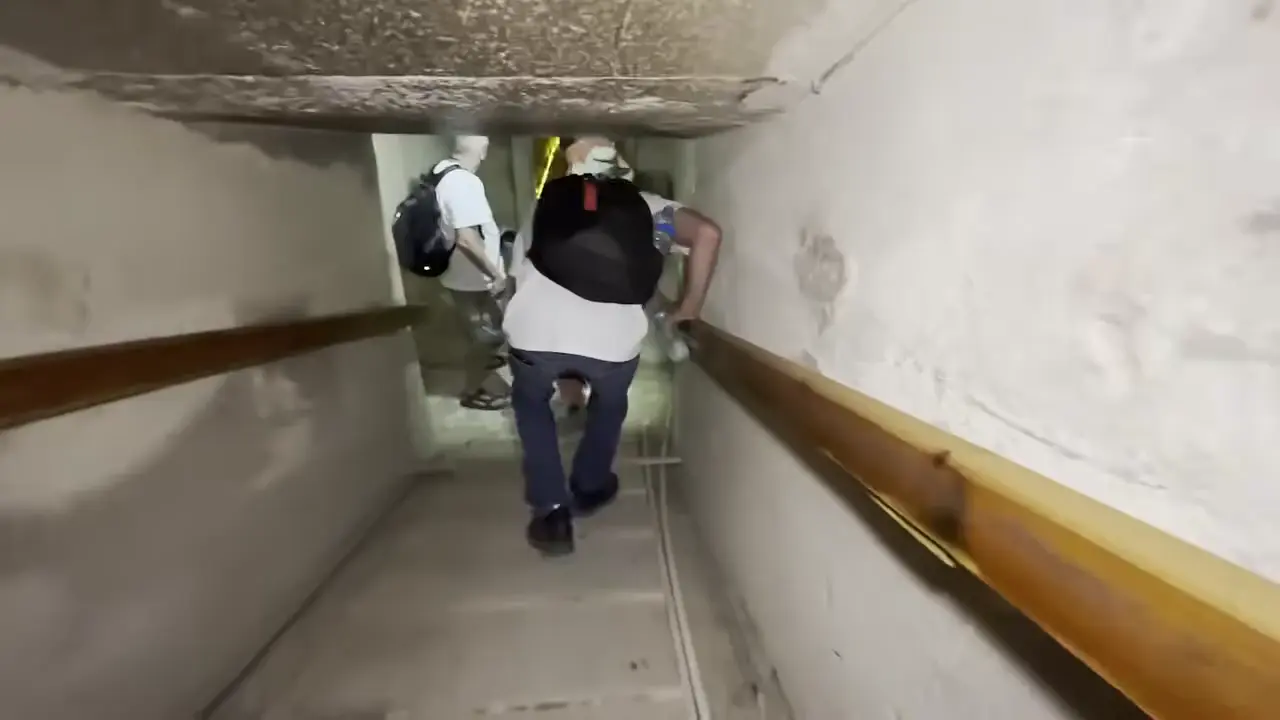
Site mentioned
Key facts
- Proposed model: portcullis was openable, allowing inner pyramid access while maintaining security
- This allowed visitors to enter and make offerings without full access to the inner sanctum
- The Maidum pyramid and Red Pyramid have no portcullises or plugging evidence
- The Great Pyramid shows evidence of being plugged from inside, not outside
- Lower chambers in these pyramids resemble vestibules - fully accessible spaces at bottom of descending passage
- Pyramids accommodated visitors from earliest designs - separating upper chambers was a security feature for allowed visitors, not thieves
- Air channels, liftable portcullises, and pyramid texts about opening doors to the sky all support visitor access model
Sources
isida-project.ucoz.com
Linked in video description
keithhamilton.academia.edu
Linked in video description
Was this story useful?
Keep exploring
Every site on this page sits on the globe, and the people who research them are on the Discord.
3D Globe · Sites by country · Story Archive · Research Library · Weekly Journal · Search
AI-generated text · images from the original sources · always verify with the sources.