

Researchers estimate a blockage on the east side weighs less than 320 lb and could be pried loose and pushed back to gain entry. Ground penetrating radar has been suggested for the South Wall to check for sealed spaces. The smallest corner block at the back is the prime candidate for a sealed passage, though it's tight enough that only a small person could squeeze through. The Ministry of Tourism and Antiquities will decide whether further exploration proceeds.
Potential sealed passage and future exploration proposed
 EgyptExcavation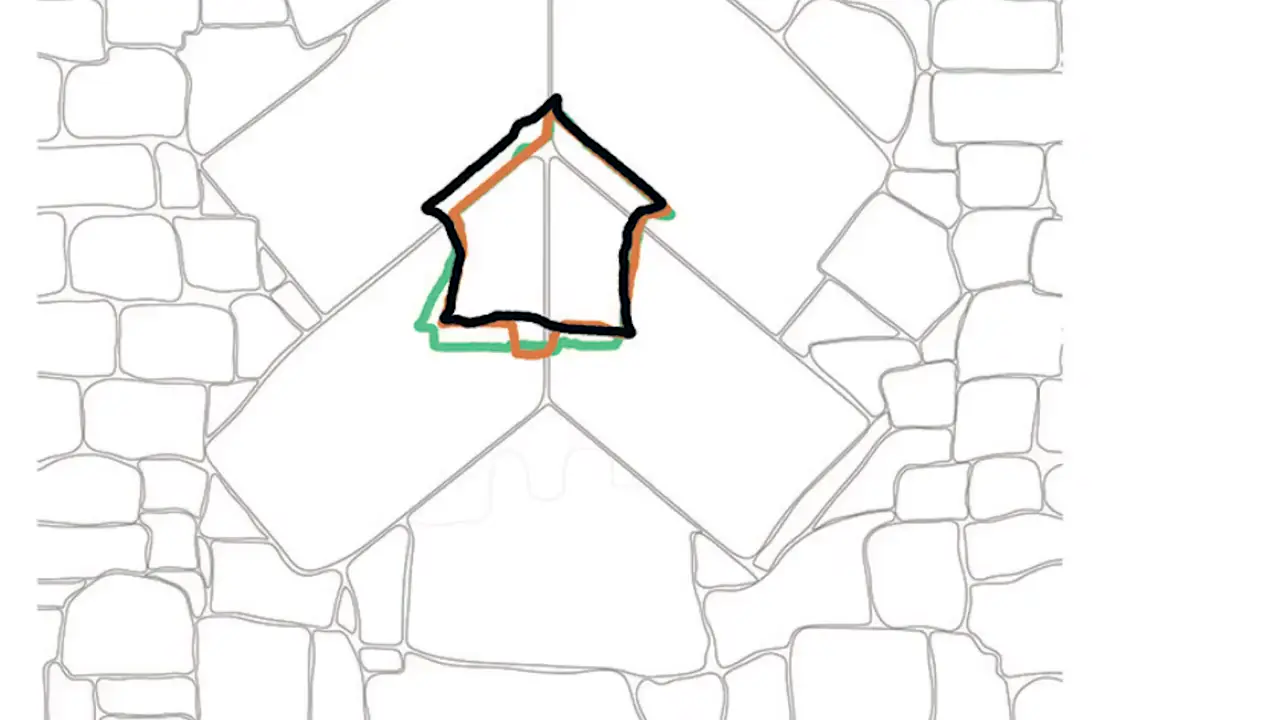
Site mentioned
Key facts
- Researchers estimate the blockage on the east side is about 33 cm wide, 38 cm deep, and 45 cm tall, weighing less than 320 lb
- The suggestion is to pry the plugging stone loose and push it up and back the same way it was inserted
- Ground penetrating radar scans could be conducted on the South Wall to determine if other sealed spaces lie beyond
- The smallest corner block at the back is identified as the most likely candidate for a sealed passage
- This potential access point is tight, only enough space for a small person to squeeze through, suggesting it was for inspection rather than moving construction materials
- ScanPyramids muography hasn't detected empty voids past the corridor, but plugged passages may not show up on such scans
- The Ministry of Tourism and Antiquities will decide whether further exploration occurs
Was this story useful?
Keep exploring
Every site on this page sits on the globe, and the people who research them are on the Discord.
3D Globe · Sites by country · Story Archive · Research Library · Weekly Journal · Search
AI-generated text · images from the original sources · always verify with the sources.