

One researcher proposes high-temperature flame torches could have created the Aswan scoop marks — reaching extreme temperatures to vaporize rock. This would explain the curved-bottom basin shapes and precise excavation depth. However, the established archaeological consensus holds that the scoop marks were made with diorite balls, which workers struck against the granite until they removed sections up to 6 feet deep. If the torch hypothesis were correct, this technology predating ancient Egypt by millennia would require reassessing early civilization timelines. This remains a speculative hypothesis, not established fact. The Unfinished Obelisk, Egypt
Plasma Torch Hypothesis: Lost Civilization Technology
 Egyptunverified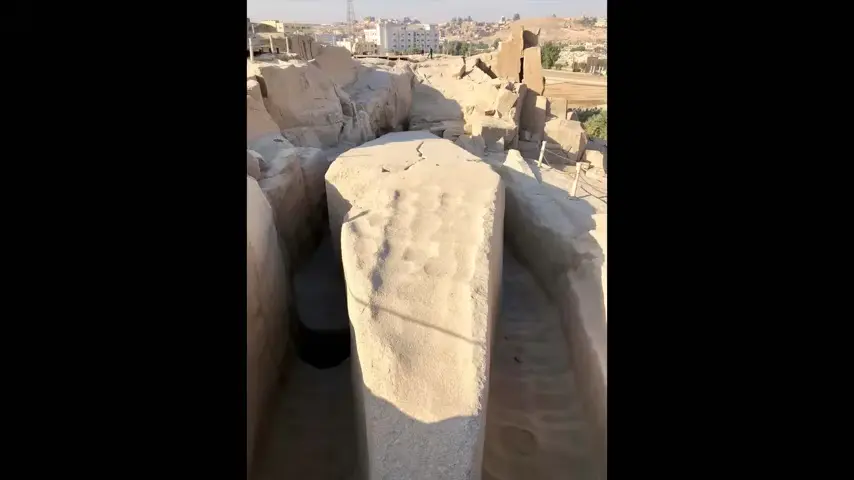
Key facts
- Author hypothesizes high-temperature flame torches with designated heads created the scoop marks
- Plasma spolation can reach 48,600°F (27,000°C) to vaporize and break down rock
- Multiple torch configurations create roundish basin-shaped dents with curved bottoms
- Plasma torches can excavate 10-100 feet deep with precision, speed, and depth
- Scoop marks appear as chessboard pattern - possibly from grid of round holes leaving stone ridges
- If scoop marks were created by plasma torches, they could not be ancient Egyptian work
Site mentioned
Sources
The Unfinished Obelisk at Aswan - The Ancient Connectiontheancientconnection.com
The official theory maintains that the “scoop marks” were made with diorite balls, which ancient Egyptian workers managed to bash on the obelisk until they ...
Lost Ancient Technology Of Egypt: Obvious Evidence In The Aswan ...hiddenincatours.com
Many archaeologists actually contend that these were what were used to to cut deep channels in the granite bedrock, as deep as 6 feet or more, in order to ...
Was this story useful?
Keep exploring
Every site on this page sits on the globe, and the people who research them are on the Discord.
3D Globe · Sites by country · Story Archive · Research Library · Weekly Journal · Search
AI-generated text · images from the original sources · always verify with the sources.