

The Southwest has supported humans for at least 20,000 years, back to the late Pleistocene. Those earliest people are known as Paleoindians; the Archaic period discussed here dates to about 5000–2000 BCE. As Holocene conditions warmed and dried, forests and grasslands shifted increasingly toward arid landscapes. Many Archaic hunter-gatherers moved seasonally across the Four Corners, and tools made from distant materials point to long-distance travel and exchange. Manos and metates were already in use by about 5000 BCE, enabling more efficient processing of plant foods. 🏜️
Paleoindian and Archaic Southwest: 20,000+ Years of Human Presence
Key facts
- Human occupation of the Southwest reaches back at least about 20,000 years into the late Pleistocene; these earliest occupations are Paleoindian, not Archaic.
- The Archaic period discussed in the post is about 5000–2000 BCE.
- From about 5000–2000 BCE, warmer and drier Holocene conditions shifted vegetation in parts of the Southwest from forest and grassland toward arid scrub.
- Many Archaic groups were mobile hunter-gatherers using seasonal foods, although sedentism and plant cultivation increased later in the period.
- Manos and metates were already in use by about 5000 BCE, so they did not first appear after 3200 BCE.
- Tools made from materials sourced from distant locations indicate long-distance mobility and exchange.
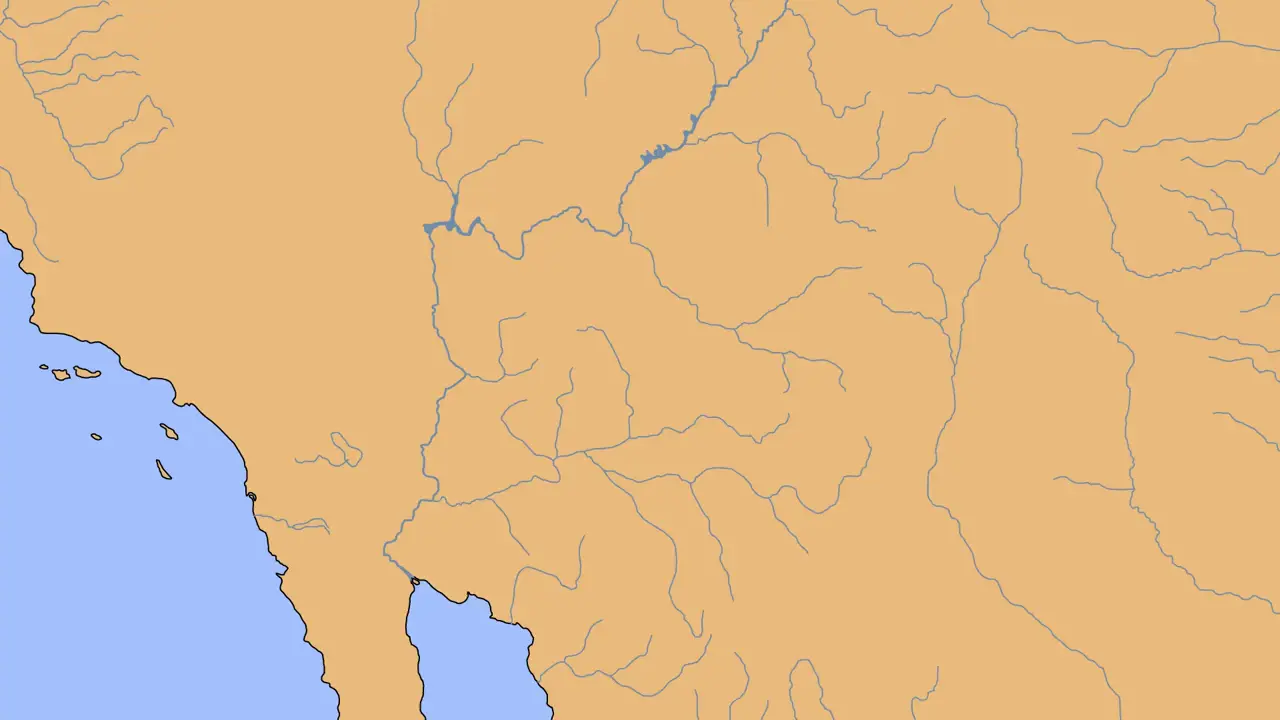
- The Four Corners lie chiefly on the Colorado Plateau, much of which is above 1,500 metres (5,000 feet); the Little Colorado and San Juan are major Plateau rivers.
Sources
A Century of Paleoindian Archaeologyarchaeologysouthwest.org
Paleoindian Period - Digitalsouthwestdigitalsouthwest.pl
(PDF) Introduction to The Paleoindian Southwestresearchgate.net
Was this story useful?
Keep exploring
Every site on this page sits on the globe, and the people who research them are on the Discord.
3D Globe · Sites by country · Story Archive · Research Library · Weekly Journal · Search
AI-generated text · images from the original sources · always verify with the sources.