

Derinkuyu Underground City in Cappadocia, Turkey, features multiple levels connected by staircases. Archaeological evidence confirms water basins, ventilation shafts, and storage chambers across its levels. Research indicates up to 20,000 people may have inhabited the city, with tunnels connecting numerous halls and chambers. The Turkish name 'Derinkuyu' translates to 'deep well.' Certain restricted areas of the site remain under ongoing excavation and study. 🔍🏛️
No evidence of sewage system or waste management in Derinkuyu Underground City despite claims of 20,000 inhabitants
 TürkiyeGeneral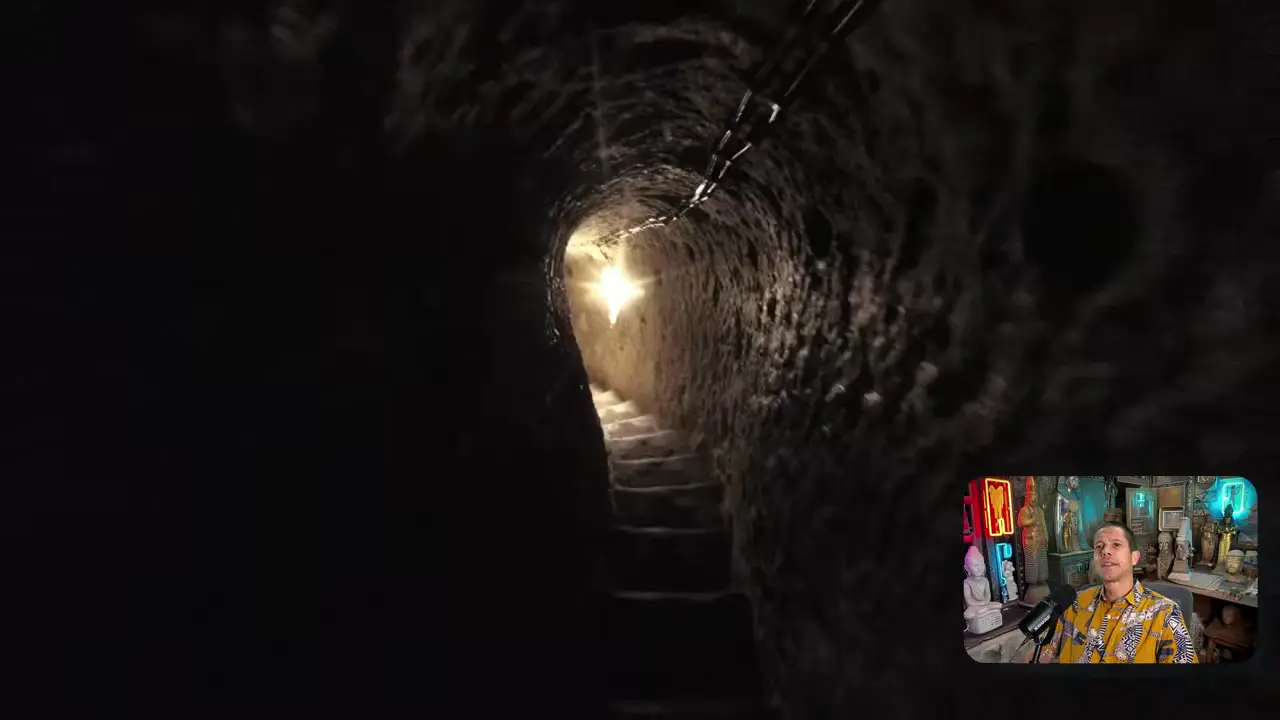
Key facts
- No wastewater or sewage management system found in Derinkuyu Underground City
- Mainstream archaeology claims up to 20,000 people lived in the city
- Deep ventilation shafts presumably served as water sources
- Name 'Derinkuyu Underground City' translates to 'deep well'
- Some water basins found but no functional sewage system
- Mainstream explanation: waste collectors carried containers to surface
- Logistical problems make large population theory questionable
Site mentioned
Sources
The Mysterious Underground City Found in a Man's ...atlasobscura.com
Behind the wall, he found a tunnel. And that led to more tunnels, eventually connecting a multitude of halls and chambers. It was a huge ...
Was this story useful?
Keep exploring
Every site on this page sits on the globe, and the people who research them are on the Discord.
3D Globe · Sites by country · Story Archive · Research Library · Weekly Journal · Search
AI-generated text · images from the original sources · always verify with the sources.