Pre-Columbian surgeons were incredibly advanced—trepanation with survival rates estimated at 50-80%, amputations, dental work & obstetric procedures using obsidian blades & copper knives. The Paracas practiced skull elongation on children from infancy, possibly as elite status symbols. Ancient Peruvians were surgical masters. 🧠💎
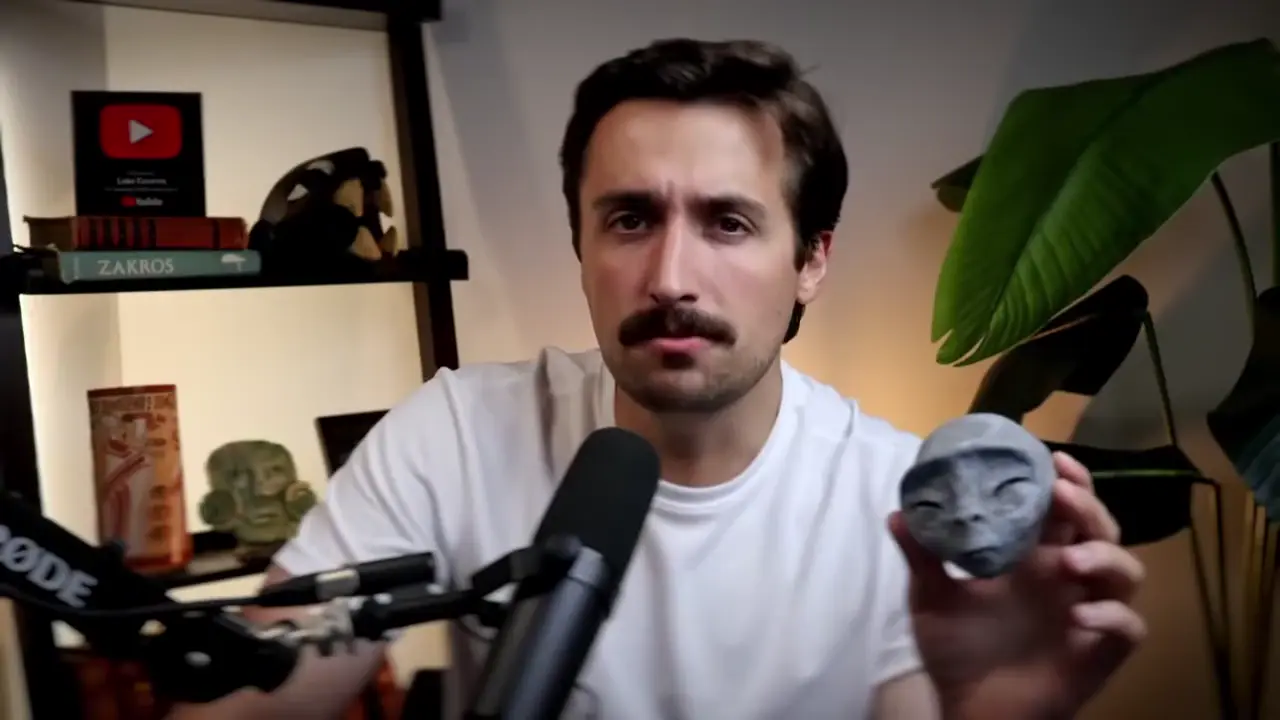
Note: Claims about 'alien' or 'non-humanoid' mummies near Nazca are unsubstantiated—scientists have determined controversial specimens found in Peru are humanoid dolls made from earthly bones, not evidence of non-human entities.
Sources
Trepanation Procedures/Outcomes: Comparison of Prehistoric Peru ...pubmed.ncbi.nlm.nih.govWe examine trepanation practices and outcomes in Peru over nearly 2000 years from 400 BC to provide a perspective on the procedure with comparison with ...
A Study of Inca and pre-Columbian Trephination and the ... - PubMedpubmed.ncbi.nlm.nih.govThis study summarizes thousands of years of pre-Columbian history and medical evolution, specifically in the early and primitive practice of trephination.
Inca Skull Surgeons Were 'Highly Skilled,' Study Findsnationalgeographic.comInca surgeons in ancient Peru commonly and successfully removed small portions of patients' skulls to treat head injuries, according to a new study.
Inca Doctors Were Better at Skull Surgery Than American Surgeons ...sciencealert.comAnd, fascinatingly, they show how the Inca surgeons' techniques evolved over time - resulting in an incredible survival rate of over 80 percent.
Inca Skull Surgeons Had Better Success Rates Than American Civil ...smithsonianmag.comInca skull surgeons had better success rates than American Civil War doctors. Survival rates among later Inca cultures was significantly higher.
AI-generated text · images from the original sources · always verify with the sources.