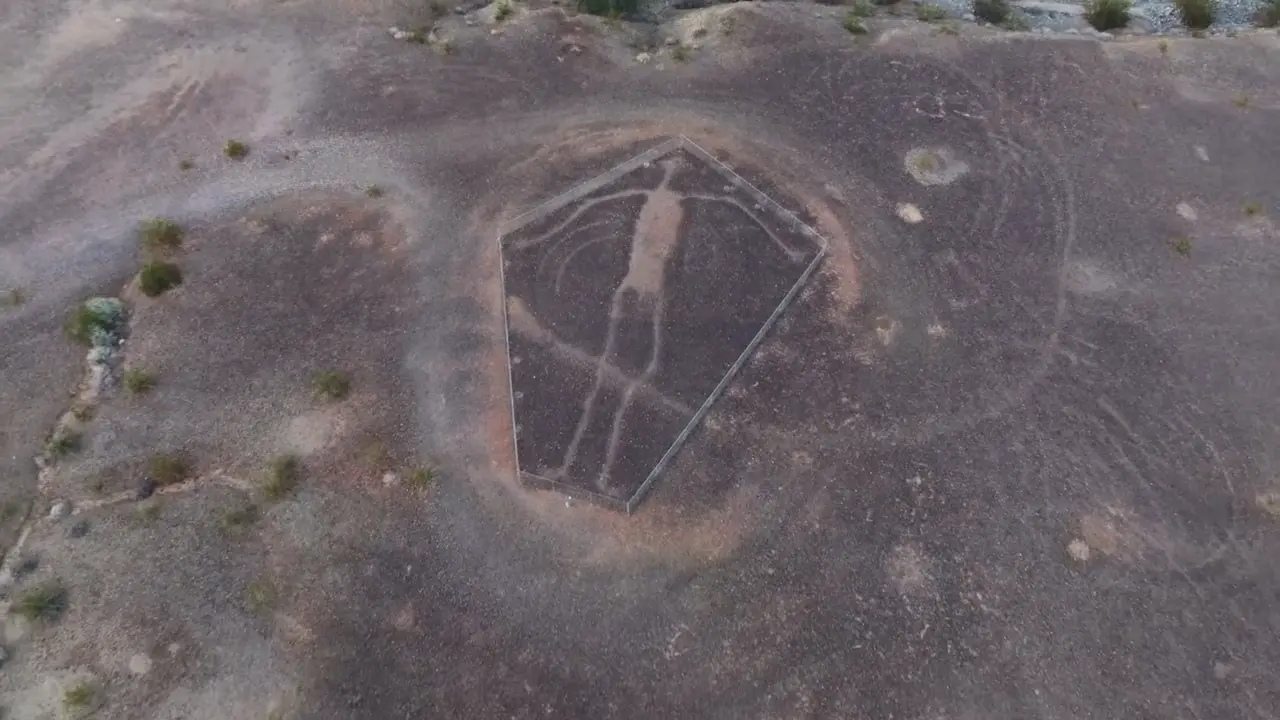
Less than 1 inch of rain per year + minimal wind = perfect preservation! The desert floor's unique mineral composition and extreme aridity work together to protect these markings ☀️ In a wetter climate these lines would vanish within decades 😮
Key facts claimed:
- Nazca region receives only 1 to 2 centimeters of rainfall per year (not millimeters)
- Almost no wind in the region
- Minimal vegetation present
- Exposed subsoil contains lime that hardens into protective crust when touched by morning dew
- Unique climate conditions at Nazca suited to preserving shallow surface markings across thousands of years
Sources
[PDF] Soils and geomorphology in the Basin and Range area of southern ...geoinfo.nmt.eduThis book is intended primarily for use in field- study tours of the Desert Soil-Geomorphology Project of the U.S. Soil Conservation Service (informally.
eo_image_list.txt - NASA Scientific Visualization Studiosvs.gsfc.nasa.gov... structure, rocks exposed in the center of the bulls-eye are older than rocks forming the outer rings. This structure measures 45 kilometers (28 miles) ...
[PDF] Mojave Desert Discovery - NPS Historynpshistory.comSome sources define a desert as an area receiving no more than ten inches of precipitation annually. ... Some places in Death Valley receive less than one inch a ...
Desert - National Geographic Educationeducation.nationalgeographic.orgDeserts are arid ecosystems that receive fewer than 25 centimeters (10 inches) of precipitation a year. Death Valley, California, above, ...
[PDF] a history of the water resources branch, us geological survey ...cdn.ioos.noaa.govThis volume is the first in a series of chronological summaries of the activities and achievements of the Water Resources Division of the U.S..
AI-generated text · images from the original sources · always verify with the sources.