

Maize traveled a long road to reach the Southwest! Originally domesticated from teosinte in Mexico around 7000 BCE, it spread through Central America by 5000 BCE before arriving in the Southwest by 2400-1900 BCE at sites like McCuen Cave and Las Capas. Those early cobs were tiny, just 8-10 rows of kernels measuring about 7 cm, compared to modern maize's 20 rows at 15-20 cm long. Over 2,000 years, southwestern strains adapted to increasing aridity and shorter growing seasons. Two theories exist: local hunter-gatherers adopted it gradually versus agriculturalists migrating south. Interestingly, DNA studies show no evidence of southern population migrations, suggesting it was adopted by already-present Archaic peoples. 🌽
Maize Arrival: Domestication in Mexico and Spread to Southwest by 2400-1900 BCE
Key facts
- Maize was domesticated in Mexico around 7000 BCE from the teosinte plant, likely in the Balsas River Valley
- By 5000 BCE, maize cultivation was taking root across most of Central America
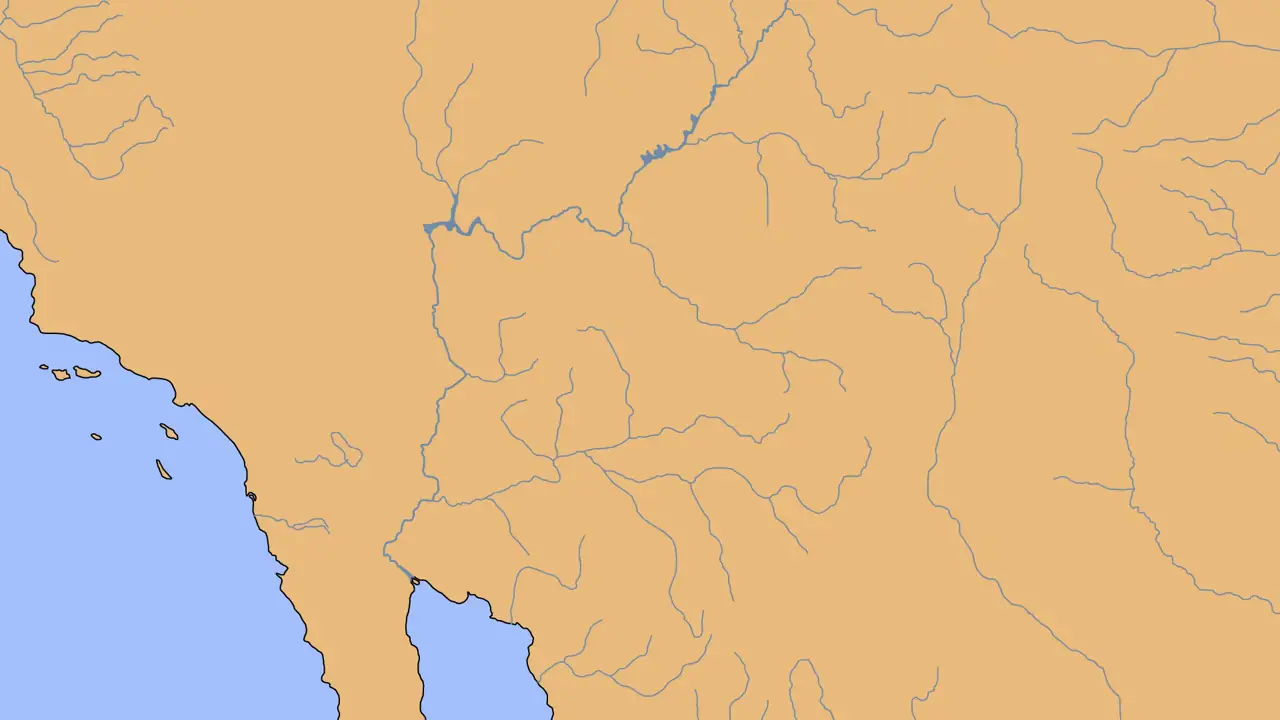
- Earliest dates for maize in the Southwest come from McCuen Cave, La Playa, Clearwater, Three Fir Shelter, Las Capas, and Old Corn site, ranging between 2400 BCE and 1900 BCE
- Early maize was categorized as small cobs with 8-10 rows of kernels about 7 cm long (modern maize has 20 rows and is 15-20 cm long)
- Archaeologist R.G. Matson proposed that early maize may have been cultivated for sugar in its stalks rather than tiny seeds
- Maize had to adapt to two big challenges: aridity and shorter growing seasons on the Colorado Plateau
- Over 2000 years, southwestern maize strains became increasingly heat and drought resistant
- Two competing theories exist: local adoption by hunter-gatherers versus migration of agriculturalists from the south
- DNA studies have failed to show evidence for a migration of southern populations into the Southwest
- EAP peoples were still highly mobile hunter-gatherers experimenting with maize but not yet dependent on it
Sources
docs.google.com
Linked in video description
Was this story useful?
Keep exploring
Every site on this page sits on the globe, and the people who research them are on the Discord.
3D Globe · Sites by country · Story Archive · Research Library · Weekly Journal · Search
AI-generated text · images from the original sources · always verify with the sources.