

Machu Picchu presents the same reverse evolution pattern. Basic stonework sits atop perfectly fitted polygonal masonry, showing a skilled 'before' phase followed by sloppier construction 'after.' Both phases occurred before Spanish arrival in the 16th century, eliminating European colonialism as an explanation for the apparent decline in building techniques. This adds another layer to the mystery of why skilled stonework appears to predate cruder work at these Peruvian sites.
Machu Picchu abandoned pre-Spanish with skilled base, sloppy top
 PeruArchitecture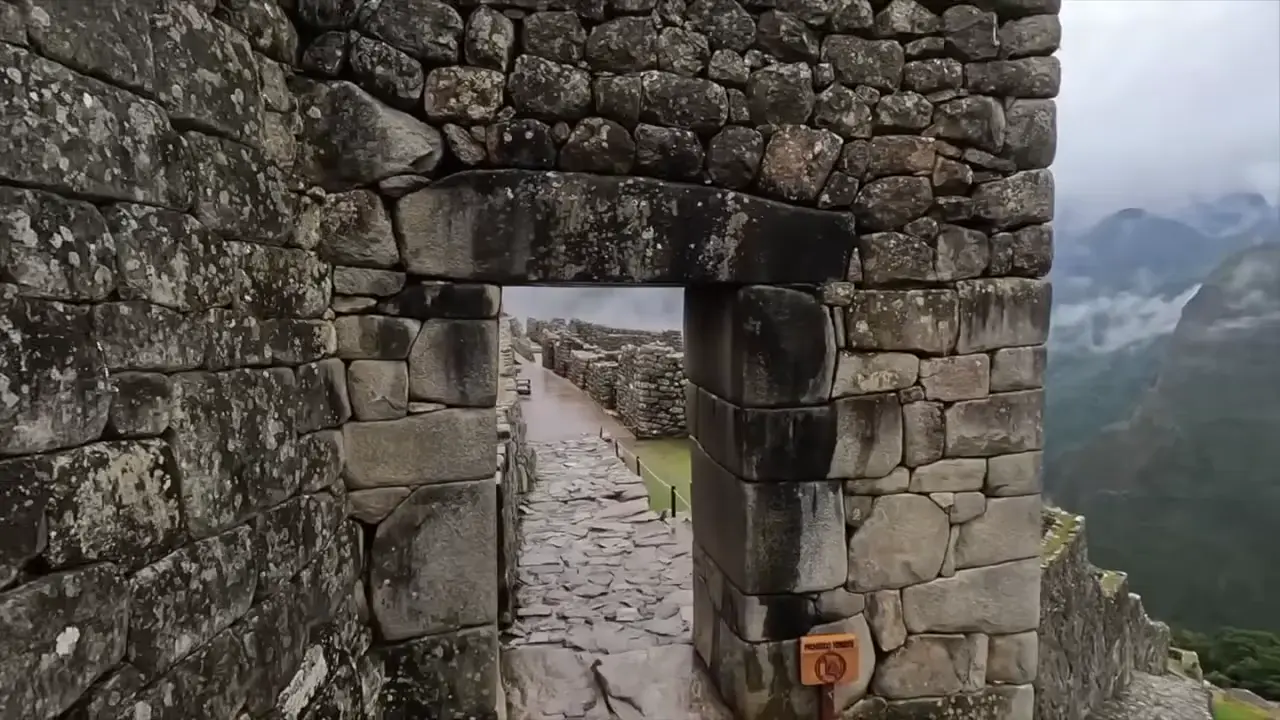
Key facts
- Machu Picchu was abandoned in the 15th century, before Spanish arrival
- Has basic stonework placed on top of perfectly fitted polygonal masonry
- Shows reverse evolution with skilled 'before' phase and sloppy 'after' phase
- Both phases happened before the Spanish arrival, so cannot blame Europeans for decadence
Site mentioned
Sources
jan 1, 1510 - The Inca abandon Machu Picchu. (Timeline)time.graphics
jan 1, 1510 - The Inca abandon Machu Picchu. Added to timeline: Inca Civilization. ByChristopher Gibbons. 11 months ago. 0. 0. 71. Date: jan 1, 1510.
Why was Machu Picchu abandoned? - Kandoo Adventureskandooadventures.com
What year was Machu Picchu abandoned? Historians believe the Incas abandoned it around 1532, but there's no concrete timeline. How high is ...
Historic Sanctuary of Machu Picchu - UNESCO World Heritage Centrewhc.unesco.org
Built in the fifteenth century Machu Picchu was abandoned when the Inca Empire was conquered by the Spaniards in the sixteenth century. It was not until 1911 ...
The History of Machu Picchu's Discovery - Valencia Travel Cuscovalenciatravelcusco.com
The city was abandoned around the early 16th century. As they descended the mountain, they burnt the forest trails so that the paths up to Machu ...
July 24, 1911: the rediscovery of Machu Picchu, the lost city of the ...finestresullarte.info
Majestic, millennia-old, shrouded in mystery, Machu Picchu was rediscovered in Peru on July 24, 1911 by U.S. historian and lecturer Hiram ...
Was this story useful?
Keep exploring
Every site on this page sits on the globe, and the people who research them are on the Discord.
3D Globe · Sites by country · Story Archive · Research Library · Weekly Journal · Search
AI-generated text · images from the original sources · always verify with the sources.